
Flooding Due to Embankment Breach in Pekalongan, 254 Residents Displaced
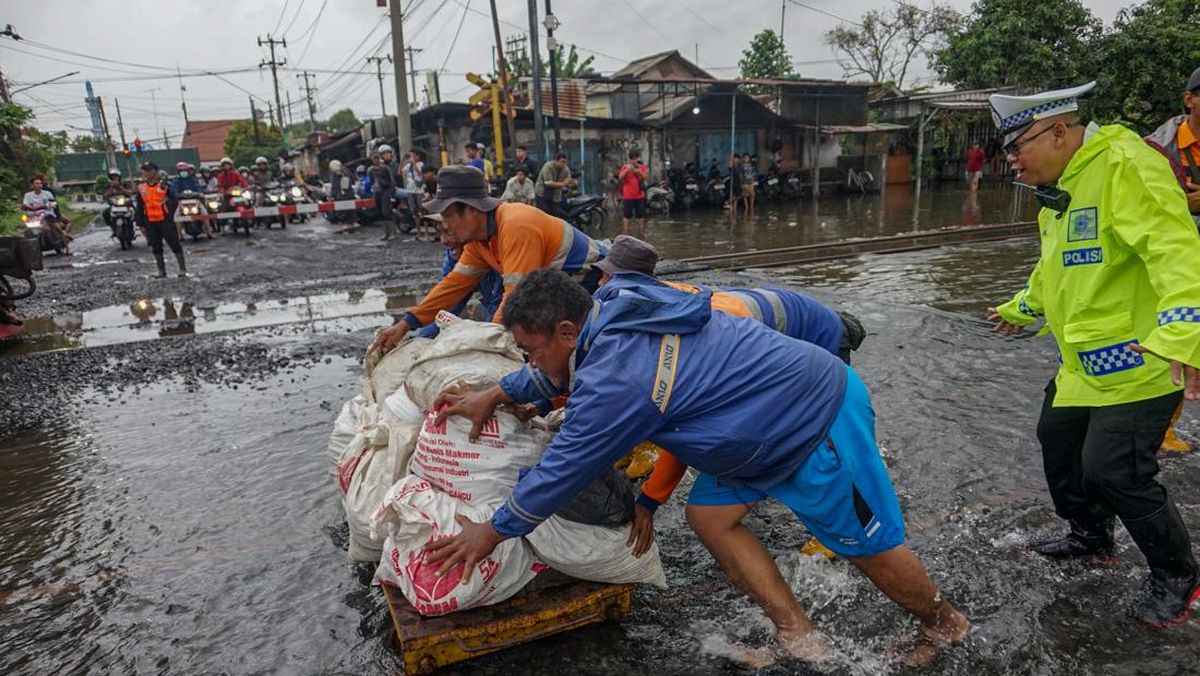
The Pekalongan City Government in Central Java reports that 254 residents remain in shelters due to flooding triggered by the breach of the Bremi River embankment in the Pabean area. The Acting Head of the Pekalongan City BPBD, Budi Suheryanto, stated that the embankment repair process is showing good progress and is now in its final stages. “Hundreds of affected residents are still holding out at shelter locations while waiting for the floodwaters to fully recede,” he said in Pekalongan on Monday (30/3). He explained that the evacuees are spread across several points, including the former Kraton Kidul Ward Hall with 116 people, Pasirkratonkramat Ward Hall with 79 people, TPQ Madinatul Ulum with 50 people, and the West Pekalongan Sub-District Hall with nine people. “However, Alhamdulillah, the Pabean embankment has been repaired; it just needs tidying up. Hopefully, it won’t breach again, and now we just need to wait for the water to recede in the Pasirsari area using water pumps,” he said. Budi recounted that residents began evacuating since Friday (27/3) after water levels rose and inundated settlements in the Pasirsari area of Pasirkratonkramat Ward. Based on the timeline, the eastern embankment of the Bremi River in the Pabean area breached on Thursday (26/3), with damage spanning about 15 metres in length, three metres in width, and two metres in height. As a result of the damage, river water overflowed and submerged surrounding areas, even though the weather at the time was reported to be clear without rain. In handling this disaster, the city government, along with various parties, has taken several measures, from monitoring and readiness patrols, resident evacuation, to flood impact assessments. “In addition, we are coordinating across sectors to optimise integrated emergency response,” he said. He added that the government has also involved the TNI, Polri, regional device organisations (OPD), and volunteers to activate disaster posts, provide data and information services, and ensure the basic needs of evacuees are met, including logistics and health services.