
Flood in Periuk, Tangerang Recedes 20cm in 12 Hours
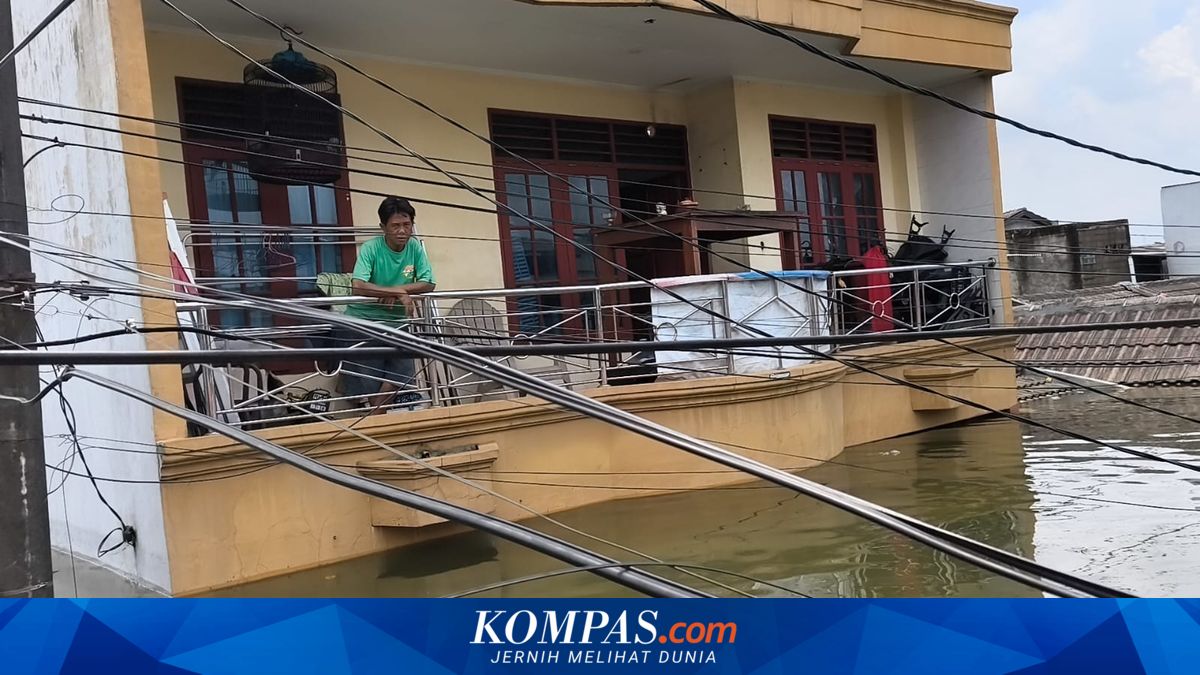
Tangerang — Flooding that inundated Periuk District in Tangerang City, specifically in the Periuk Damai residential area, has begun to recede slowly on the second day, Monday 9 March 2026.
However, the rate of water level decline remains slow. Andia S Rahman, Head of Emergency Response and Logistics at the Tangerang City Disaster Management Agency (BPBD), stated that water levels in the Periuk Damai residential area have dropped only approximately 20 centimetres (cm) in the last 12 hours.
This situation means that flooding in the area remains severe despite some areas of Tangerang City beginning to dry out. Flood heights in Periuk Damai residential area still range from 3–5 metres.
“Generally, the eastern region of Tangerang City has receded. The current focus of response efforts is in the western region, specifically Periuk District,” he said.
There are 12 flood-affected locations still being monitored across Tangerang City. Several of these are located in residential areas in Periuk, such as Garden City, Periuk Damai, Mutiara Pluit, and Kota Persada. In some of these locations, water levels still range between 1.8 metres and two metres.
As a result of the flooding, the Tangerang City BPBD has recorded thousands of affected residents. However, the most severely affected area is Periuk, with approximately 1,500 households (KK) impacted.
Some residents have evacuated to several shelters prepared by local government. Nevertheless, some residents have chosen to remain in their homes, citing reasons such as wanting to protect their possessions and feeling uncomfortable in evacuation centres.
“We continue to conduct outreach and education to encourage them to agree to be evacuated to shelters,” he explained.
Currently, the BPBD is continuing to evacuate residents and provide basic necessities for evacuees. On the other hand, flood management efforts such as pumping have not yet been optimised because river discharge rates remain high.
“If we conduct pumping now, water could simply circulate back, making it ineffective. So we are waiting for water conditions to allow for optimisation,” said Andia.