
Flexible Working Trends Gain Momentum as IWG Targets Expansion and Professional Communities
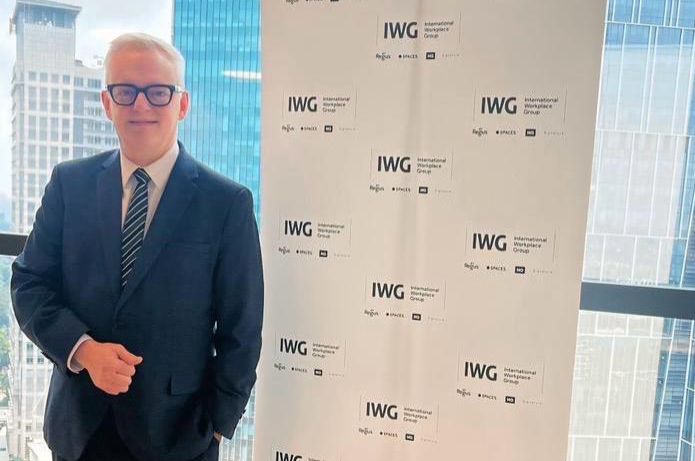
Global working patterns are undergoing significant changes, driven by evolving employee expectations across generations. Lars Wittig, Senior Vice President of IWG Asia Pacific, states that the current workforce transformation is inseparable from the differing characteristics of each generation, particularly Generation Z.
According to him, Gen Z arrives with preferences that differ from previous generations. They are not only seeking jobs but also flexibility and a sense of community in their work. “The younger generation greatly values flexibility and social interaction. They want to work in environments that enable collaboration while still providing space for work-life balance,” he said.
This is where IWG’s business model becomes relevant. With a diverse client portfolio and a strong global network, IWG provides flexible workspaces that are not just places to work but also hubs for building professional communities. This concept allows individuals from various industry backgrounds to interact, exchange ideas, and open new collaboration opportunities.
However, Lars also emphasises that this transformation is not just about the younger generation. Inter-generational knowledge transfer is a crucial element in maintaining workforce sustainability. He assesses that the two-way relationship between senior professionals and Gen Z is very important.
“It’s not just the younger generation learning from seniors, but we also learn a lot from them. If both sides do not learn from each other, in five years they could become obsolete or left behind,” he asserted.
Indonesia is one of the strategic markets for IWG in the Asia Pacific region. To date, IWG has operated 56 flexible workspaces spread across nine cities in Indonesia. Interestingly, around 83% of IWG’s clients come from global companies, including Fortune 500 categories. This provides added value for users in Indonesia as they not only work in a local ecosystem but are also connected to a global network encompassing more than eight million users worldwide.
Lars emphasises the “act global, think local” approach as the key to their expansion success. This means that although they have a strong international network, IWG still tailors services to local market needs.
The 15-minute city concept promotes the integration of various functions within one area, from workplaces, entertainment, to daily needs, all accessible within 15 minutes.
In Indonesia, the implementation of this concept is starting to emerge, particularly through the development of mixed-use buildings that combine daily functions, offices, shopping centres, and entertainment facilities such as cinemas. However, one of the biggest challenges is the very large capital required. Developing integrated areas demands significant investment, especially in big cities like Jakarta.
Conversely, greater opportunities lie outside Jakarta, particularly in new township areas still under development. “Outside Jakarta, we see great potential to develop this concept. With proper planning, new cities can directly adopt a more modern and sustainable model,” he said.
Furthermore, besides generational factors, professionals also play a significant role in shaping modern work culture. One of the most significant aspects relates to mobility and commute times.
IWG sees that the way someone works is now greatly influenced by how they travel to the workplace. Long and inefficient journeys can impact productivity, well-being, and job satisfaction. Additionally, from a company perspective, organisations consider talent retention important as it has the potential to be prolonged.
“Professionals today increasingly consider work locations close to their homes or easily accessible. This becomes an important factor in forming a healthier and more productive work culture,” Lars added.
With the presence of flexible workspaces spread across various locations, workers have more options to work closer to home, thereby reducing the burden of daily commutes.
Looking ahead, Lars is optimistic that flexibility will become the new standard in the working world, especially amid increasing global uncertainties. Companies that can accommodate these needs will have an advantage in attracting and retaining talent.
With ongoing changes, both in terms of technology, demographics, and employee expectations, the working world will continue to evolve. Adaptation is the main key for individuals and organisations to remain relevant.
“This change cannot be avoided. The most important thing is how we can adapt and continue learning,” he concluded.