
FKUI designates Cilincing as pilot area for accelerating TB elimination
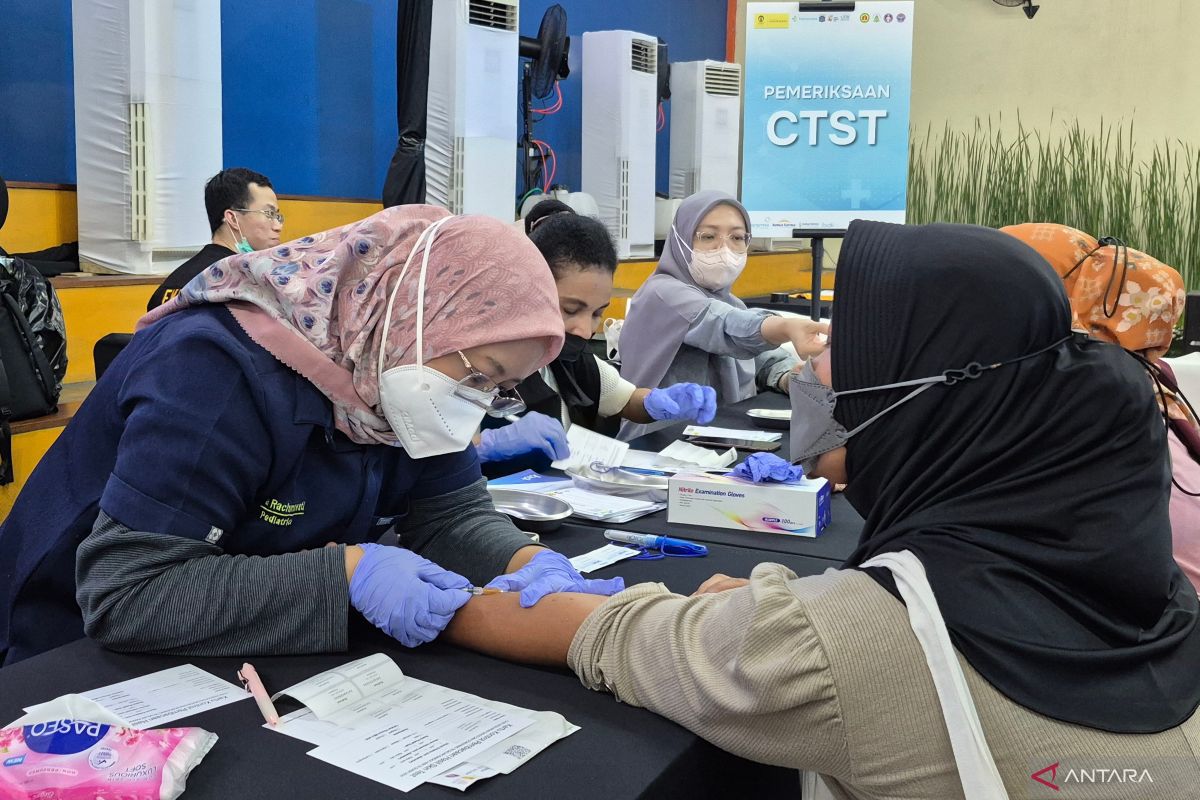
Jakarta (ANTARA) - The Faculty of Medicine at Universitas Indonesia (FKUI), together with several association and industry partners, has designated the Cilincing area in North Jakarta as a pilot region (role model) in efforts to accelerate the elimination of tuberculosis (TB). This collaboration is realised through proactive measures including free health examinations and mass screenings centred at GOR SOVO in Cilincing, to detect active cases amid densely populated settlements. FKUI Dean Prof Anna Rozaliyani, during the Free Health Check and TB Screening event in Cilincing, North Jakarta, on Friday, explained that this step represents tangible support for local government. “North Jakarta (was chosen because) TB rates are still quite high, and we need to help achieve more significant elimination, so the selection of this area is hoped to become a role model,” said Anna. Anna added that the minimum target for this activity is to screen 300 residents who have a history of close contact or who exhibit clinical symptoms similar to TB. FKUI also ensures that findings from the screenings will not be left without follow-up, but will be guided through an integrated referral system with national hospitals. She also affirmed the readiness of supporting health facilities if complex medical conditions are found during examinations. “If there are complications and such, they can be referred to RS Persahabatan (as) the national respiratory referral centre hospital, we also have Universitas Indonesia Hospital, Cipto Mangunkusumo Hospital, but of course the simple ones we handle at local facilities,” she stated. Meanwhile, the General Chairman of the Central Board of PDPI, Dr Arief Riadi Arifin, expressed his support for standardising TB treatment services at every level of health facility following the screening activities. He assured that pulmonologists affiliated with PDPI will carry out curative and preventive duties in accordance with national guidelines to ensure patients receive appropriate treatment from the outset. “Our members who are spread out, whether in hospitals or primary health facilities, or in regional general hospitals, will implement it according to the existing treatment standards,” said Arief Riadi Arifin.