
Five Major Benefits for Indonesia from France's Rafale Fighter Jets That Many Other Countries Do Not Receive
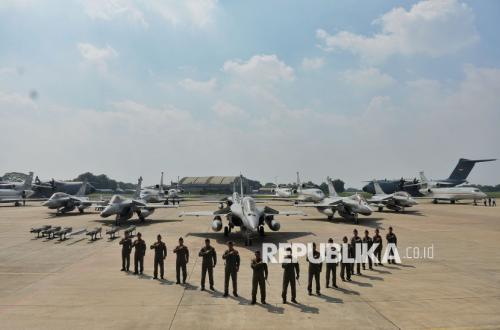
An Indonesian defence analyst and observer at the Strategic Defence Studies Institute (Keris), Hanif Rahadian, says the inclusion of Rafale fighter jets in the Indonesian National Armed Forces’ main weapons system lineup marks a deepening of Indonesia–France strategic ties in defence. He notes that the Rafale procurement reflects not only routine military cooperation but also a high level of trust from France in Indonesia’s technology and defence capabilities. ‘Such arms transactions can only occur between two countries that are harmonious and have long-standing cooperation,’ Rahadian said in Jakarta on Tuesday, 19 May 2026.
Indonesia–France relations have grown significantly, particularly since President Prabowo Subianto took office as Defence Minister. The diplomatic closeness is seen as yielding strategic advantages far beyond simply purchasing modern fighter jets. One of the most important benefits is the opportunity for technology transfer and the involvement of the domestic defence industry (INHAN) in the development and maintenance of Rafale. Not all buyer countries receive this opportunity. India, for example, as one of Rafale’s largest buyers, and very enthusiastic about the fighter jet, was reported not to have full access to Rafale’s source code or sensitive technology.
A Major Strategic Significance
For Indonesia, this technology transfer has major strategic significance because it opens a path to mastering modern defence technologies that have long been dominated by the major powers. Through cooperation with Dassault Aviation and France’s defence industry, Indonesia has the opportunity to study various important aspects of military aviation technology, as follows:
- Avionics System
Avionics are the ‘brains’ of a modern fighter jet. This system includes radar, sensors, navigation, communications, mission computers, and weapon integration, which determine the aircraft’s ability to detect threats, lock onto targets, and conduct precision combat operations. By studying Rafale’s avionics technology, Indonesia is not only buying the aircraft but also gaining an understanding of how modern air warfare systems operate, previously dominated by advanced nations.
In the long term, mastery of avionics technology could help Indonesia develop, maintain, and integrate combat systems more independently. This is important because, in many cases, defence buyers rely heavily on foreign manufacturers for software upgrades, electronic system repairs, and the integration of new missiles and sensors.
If this capability is developed among human resources and the national defence industry, Indonesia’s bargaining position in defence will rise while reducing strategic dependence on weapon-supplying countries.
- Radar
Radar technology transfer from Rafale carries major strategic significance for Indonesia because radar is one of the most vital components in modern air warfare. The radar on fighter jets not only detects enemy aircraft but also determines the aircraft’s ability to read the battle situation, track multiple targets simultaneously, and guide missiles with high accuracy.