
Five Deprived Neighbourhoods in Jakarta Transformed into Economic Hubs
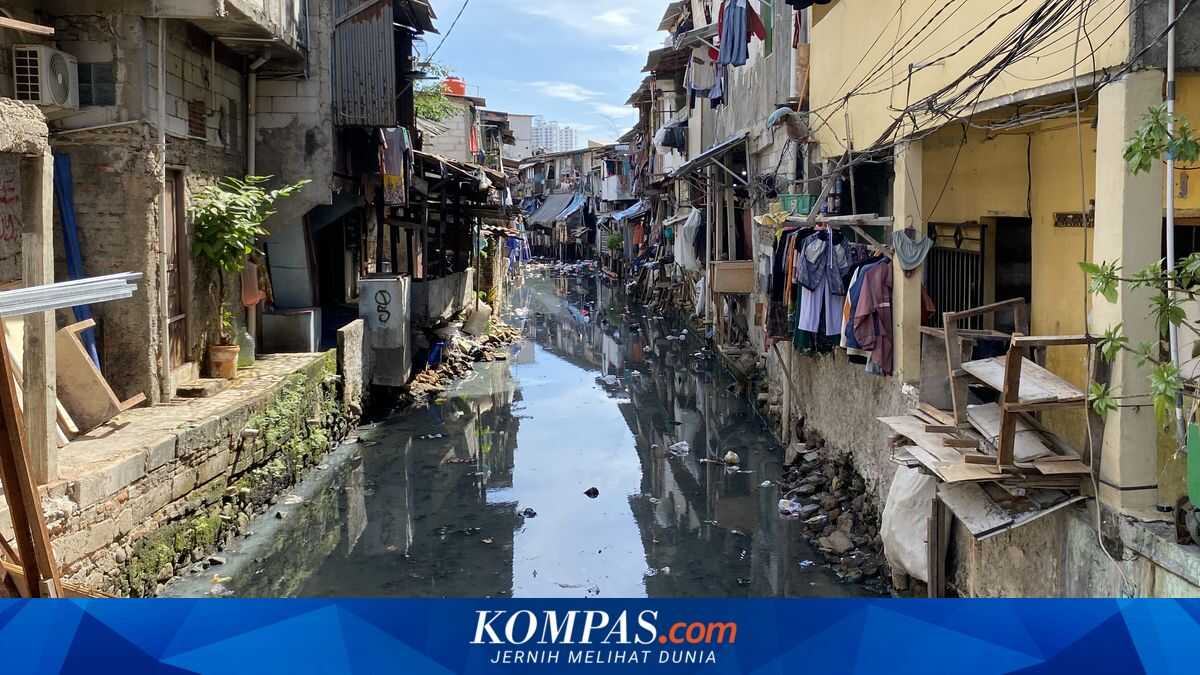
JAKARTA — The Minister of Housing and Spatial Planning Maruarar Sirait is implementing a rehabilitation programme for five deprived neighbourhoods in Jakarta.
This was announced by the Director-General of Urban Housing at the Ministry of Housing and Spatial Planning, Sri Haryati, whilst inspecting the deprived Menteng Tenggulun neighbourhood in Central Jakarta on Tuesday (24 February 2026).
“The Minister mentioned yesterday that there are at least five such areas in Jakarta. We know there are many densely populated deprived neighbourhoods in North Jakarta and West Jakarta too,” she stated.
The neighbourhood rehabilitation programme will be expanded to the regions of West Java, Central Java, and East Java.
“We are also conducting rehabilitation work in other cities throughout Indonesia, for example Surabaya in East Java, in Central Java, and in West Java,” said Sri.
The deprived Menteng Tenggulun neighbourhood in Central Jakarta is being transformed into a culinary hub named Kampung Gotong Royong (Mutual Cooperation Village).
Sri explained that Menteng Tenggulun was selected for rehabilitation owing to the high poverty levels in the area.
“Based on data from the 10 neighbourhood associations here, 6 of them are densely populated residential areas,” said Sri.
Sri further noted that whilst Menteng is known as an affluent district, the majority of dwellings there are substandard houses (RTLH) or deprived neighbourhoods.
“Menteng is typically known as an elite area, but of the 25,000 houses, only around 5,000 are located in the elite neighbourhood, the rest are in densely populated areas,” explained Sri.
The rehabilitation involves renovation of substandard dwellings, capacity building for micro, small and medium enterprises (MSMEs), and improvement of lanes and neighbourhood infrastructure.
“Fifty-two houses will be renovated. So the substandard houses will be renovated to become fit for habitation,” said Sri.
Of these, 23 units are homes of residents who operate businesses. Additionally, 10 other MSMEs have habitable homes but will still receive business training.
Sri stated that of the 52 houses planned for renovation, 2 units have been completed. The remaining houses are still in the design phase, including plans for lane improvements that will feature murals and nationalist messages.
The programme is financed through corporate social responsibility (CSR) funds, involving multiple stakeholders including the Jakarta Provincial Government, the Indonesian Architects Association (IAI) Jakarta chapter, and banking institutions.