
Fit and Proper Test at Parliament: OJK Prepares Capital Market Reforms and Tightens Free Float Requirements
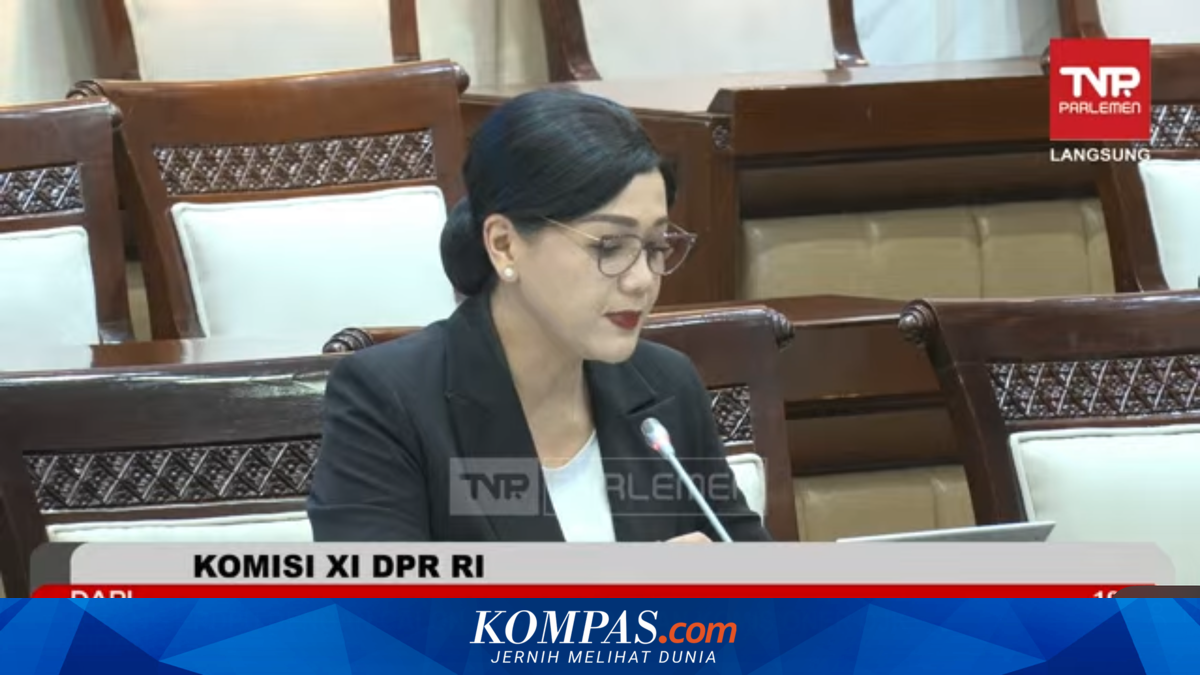
Jakarta — Capital market issues were revisited during the fit and proper test hearing for a prospective Financial Services Authority (OJK) board commissioner member at Parliament’s Commission XI on Wednesday, 11 March 2026.
At the forum, Commission XI members highlighted the capital market turmoil triggered by Morgan Stanley Capital International (MSCI)’s decision and the proliferation of “penny stock” manipulation practices, which are considered a major challenge for the regulator.
In response, Friderica Widyasari Dewi, a prospective OJK board commissioner, outlined capital market reform efforts being prepared by the OJK.
According to her, the issues that have caused market volatility are not entirely new. The matter of stock free float has long been a subject of discussion between the OJK and Commission XI. Free float refers to the portion of a listed company’s shares that are genuinely circulating publicly and can be traded freely in the market.
However, the policy response taken is considered not sufficiently rapid to align with MSCI standards. This delay has triggered a negative assessment from MSCI.
“Actually, when we discuss this matter, we are aware that it has also been a topic of discussion between the OJK and Commission XI some time ago regarding free float,” said the woman commonly known as Kiki during the fit and proper test.
For clarity, the increase in the minimum threshold for publicly circulating shares — free float — from 7.5 per cent to 15 per cent will be implemented this year. This aspect is also one of the points demanded by MSCI.
According to OJK calculations, the increased free float requirement across Indonesia’s capital market in 2026 is estimated to reach more than Rp 200 trillion.