
Fit and Proper Test at Parliament: Friderica Outlines Eight Priority Policies for OJK
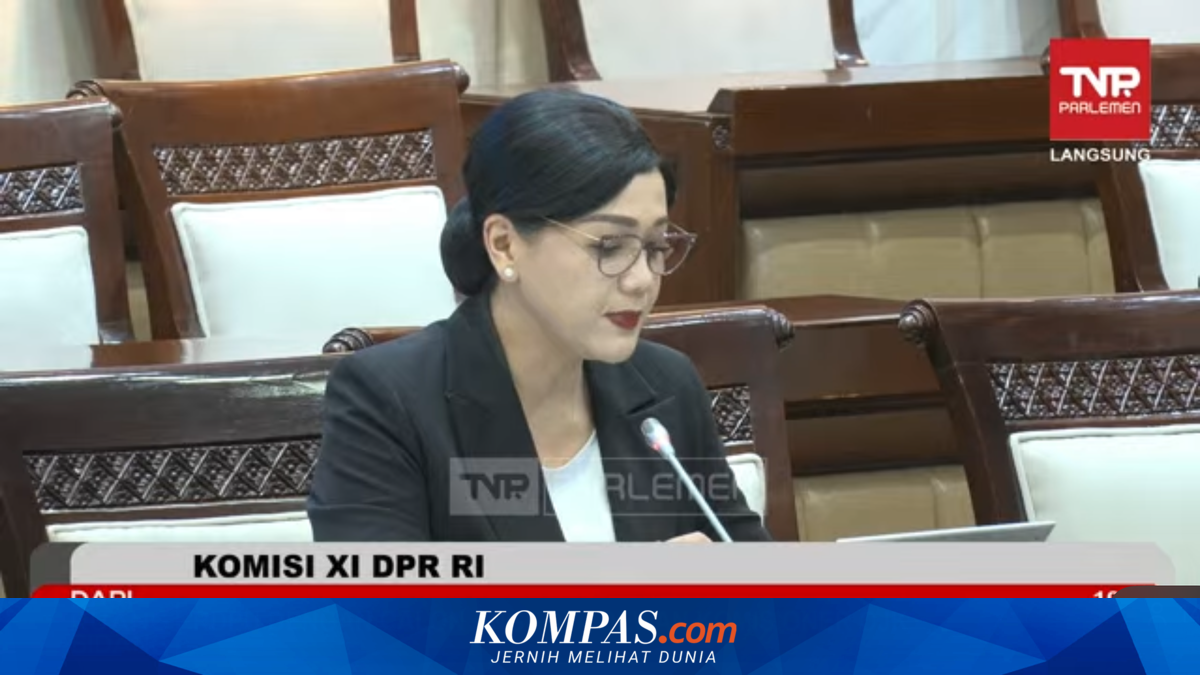
Jakarta — Friderica Widyasari Dewi, a prospective member of the Financial Services Authority (OJK) Board of Commissioners, presented eight priority policies as a strategic architecture for strengthening Indonesia’s national financial services sector. She unveiled these policies whilst undergoing a fitness and propriety examination before Commission XI of the House of Representatives on Wednesday, 11 March 2026.
The examination was conducted by Commission XI of the House of Representatives for ten candidates for board commissioner positions to fill five leadership posts: Chairman of the Board of Commissioners, Vice Chairman of the Board of Commissioners, Chief Executive for Capital Markets, Chief Executive for Digital Assets, and Chief Executive for Consumer Protection, with terms running five years.
Dewi observed that amid global economic dynamics, Indonesia’s economy and national financial services sector have thus far demonstrated considerable resilience, with national economic growth remaining stable. The banking sector remains solid, with banking credit growth recorded at 9.63 per cent. The ratio of problematic loans or non-performing loans (NPL) remained well-managed at 2.05 per cent, whilst banking liquidity remained in adequate condition.
“The banking sector’s performance remains solid with credit growth of 9.63 per cent. Bank capitalisation remains very strong with a capital adequacy ratio (CAR) of 25.89 per cent, the problematic loan ratio remains well-managed at 2.05 per cent and banking liquidity as well,” said Friderica.
Beyond banking, Friderica assessed that the resilience of the non-bank financial industry sector remained reasonably good. Nevertheless, she cautioned that such resilience should not make the financial services sector complacent.
According to her, there are various strategic challenges that the OJK must anticipate going forward, stemming from global factors, domestic conditions, and the institution’s own internal challenges.
“However, whilst showing good resilience, we see various strategic challenges that we need to anticipate going forward,” she said.
Furthermore, disruption and digitalisation in the financial sector continue to develop rapidly, accompanied by increasing climate change risks and a surge in digital financial crime whose impacts have already begun being felt domestically. From the domestic perspective, declining public confidence, particularly following recent developments in Indonesia’s capital market, adds to the pressures.
Additionally, product complexity and financial conglomeration, the need for national development financing, and Indonesia’s financial sector conditions, which are deemed insufficiently developed, remain serious challenges that must be addressed.