
Fiscal Pressure Prompts Economists to Refocus Free Nutritious Meals Programme on Vulnerable Groups
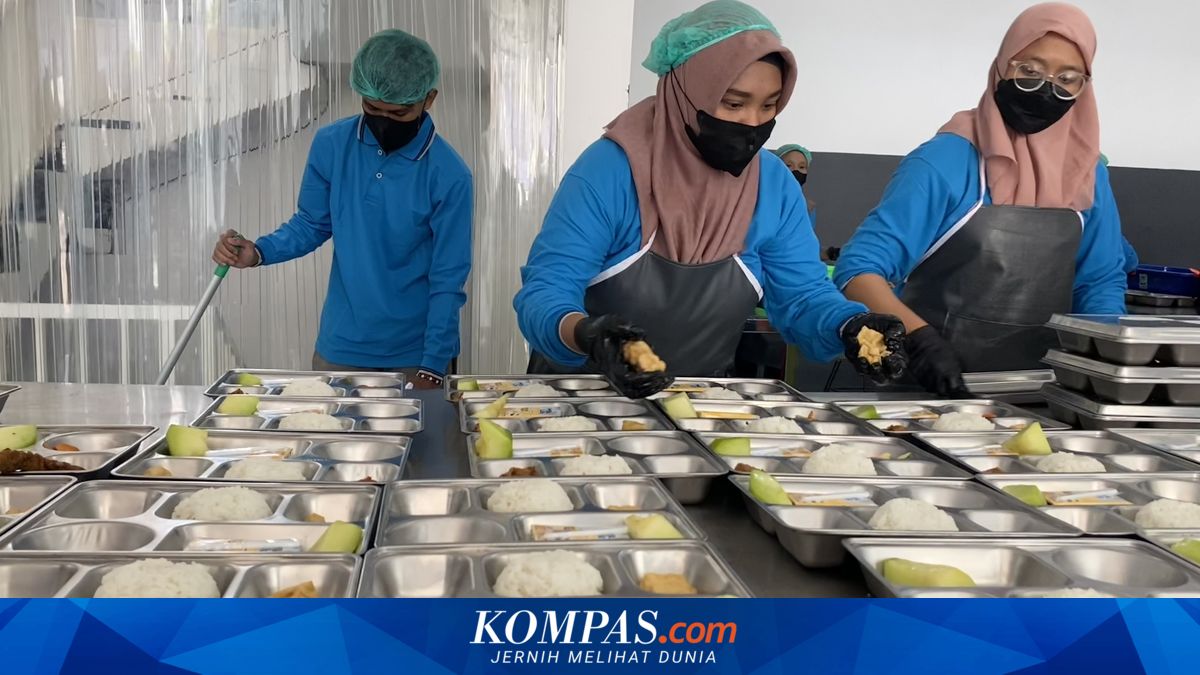
JAKARTA — The Free Nutritious Meals (MBG) programme requires evaluation to ensure better targeting, particularly given pressure on government fiscal space.
Lukman Hakim, an economist at Sebelas Maret University, believes the programme should be refocused on vulnerable groups such as pregnant women and children at risk of stunting. The current scale of the MBG programme is too broad and absorbs very large budget allocations of Rp355 trillion.
“Originally, during the campaign, the focus was on addressing stunting. The priority should be pregnant women, small children, or early-age children who genuinely need nutritional intake,” Lukman told Kompas.com on Tuesday, 10 March 2026.
However, in its current implementation, the MBG programme now targets nearly all school students, resulting in far greater budget requirements. According to Hakim, this approach necessitates a review of the programme’s effectiveness.
He believes that under conditions of fiscal pressure, the government must take rational steps in managing state finances. One option available is to refocus the MBG programme on those most in need.
“The budget is almost Rp300 trillion. In this situation, it’s simply rational — rather than having to increase debt to finance a programme with such a large scale,” he said.
The Prabowo Subianto administration has allocated Rp335 trillion for the free nutritious meals programme in the 2026 state budget, targeting 82.9 million recipients. This budget represents an increase from 2025, which allocated Rp71 trillion for 17.9 million recipients.
The MBG budget is managed and implemented by the National Nutrition Agency (BGN), as regulated under Presidential Regulation Number 83 of 2024 and Presidential Regulation Number 115 of 2025. As the MBG administrator, BGN allocates a large portion of its budget to fulfil national nutritional programmes.
According to Hakim, Indonesia actually possesses sufficiently comprehensive data on population groups requiring nutritional intervention, such as low-income families, pregnant women, and children at risk of stunting.
On the other hand, expanding the MBG programme to all students has the potential to create various operational problems. Some schools have reportedly rejected the programme due to various reasons, including facility readiness and food quality.
“If the scale is too large whilst preparedness is not optimal, it could actually create problems on the ground,” he said.