
Fiscal Incentives Prepared, Government Maintains Tourism Stability Amid High Aviation Fuel Prices
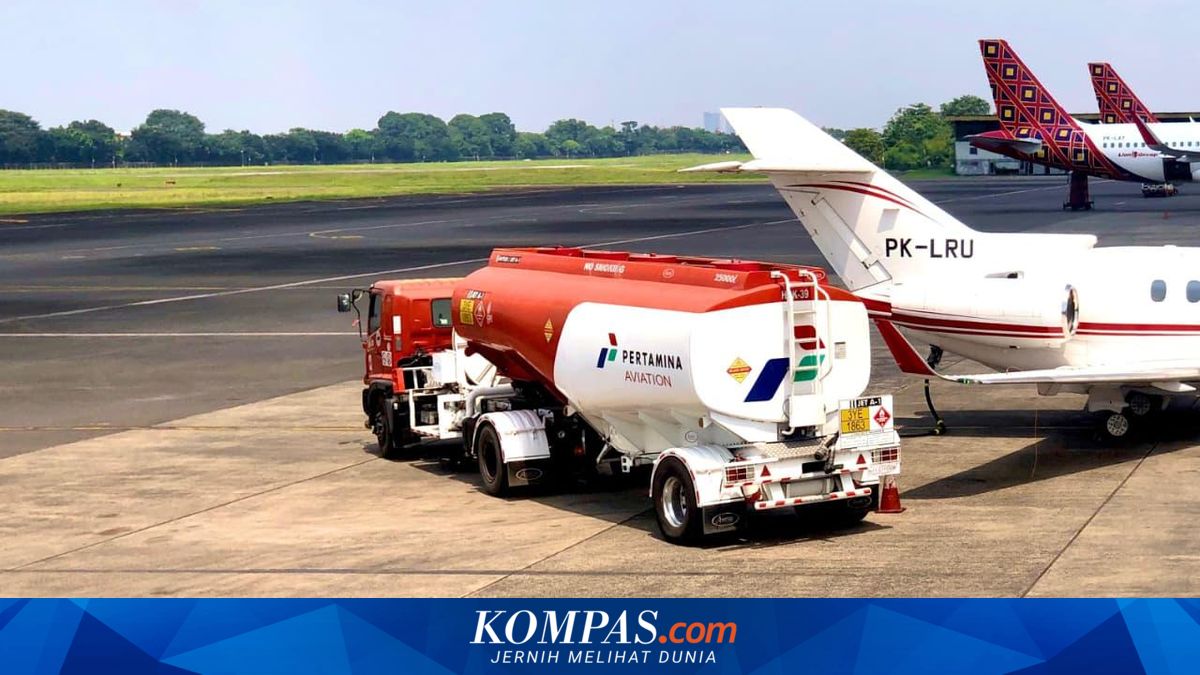
The government is continuously working to maintain the sustainability of the national tourism sector amid pressures from rising aviation fuel (avtur) prices. Deputy Minister of Tourism Ni Luh Puspa emphasised that various fiscal incentives have been prepared, from upstream to downstream, to counter the impact of surging air transport costs. In her statement during the Ministry of Tourism’s Dharma Santi Nyepi event in Bali, Ni Luh Puspa expressed optimism that Indonesia’s tourism sector can remain stable despite global dynamics. From the upstream side, the government is providing incentives in the form of Government-Borne Value-Added Tax (PPN DTP) at 11% for economy-class flight tickets. This policy is expected to keep ticket prices affordable for the public. Additionally, President Prabowo Subianto has instructed that flight ticket prices be kept within the range of 9 to 13%. This step serves as an important buffer amid adjustments to fuel surcharges, which now have an upper limit of up to 38% for all types of aircraft. This increase is significant compared to previous levels, where the fuel surcharge cap was only 10% for jet aircraft and 25% for propeller aircraft. This adjustment is unavoidable due to the surge in global oil prices triggered by conflicts in the Middle East region. “The hope is for a win-win solution, where airlines do not suffer losses, and the public can still travel despite controlled ticket price increases,” she said. Meanwhile, from the downstream side, the Ministry of Tourism is actively coordinating with industry players to introduce various attractive tourism packages. Strategies include bundling tourism products, from hotel rates to special attraction packages, to boost tourist interest. Furthermore, the government is anticipating potential shifts in transport modes from air to land. To this end, road infrastructure connectivity is being strengthened, particularly on major routes such as across Java, Sumatra, Kalimantan, and Sulawesi. With these various measures, the government is optimistic that public interest in tourism will remain steady, especially ahead of the school holiday period, which typically sees increased tourist movement. As a note, global oil prices are currently still at high levels, having reached around 100 US dollars per barrel. Through a combination of fiscal policies and industry strategies, the government hopes the tourism sector will continue to be one of the drivers of the national economy amid dynamic global challenges.