
Fines of Rp500,000 for Burning Rubbish in DKI
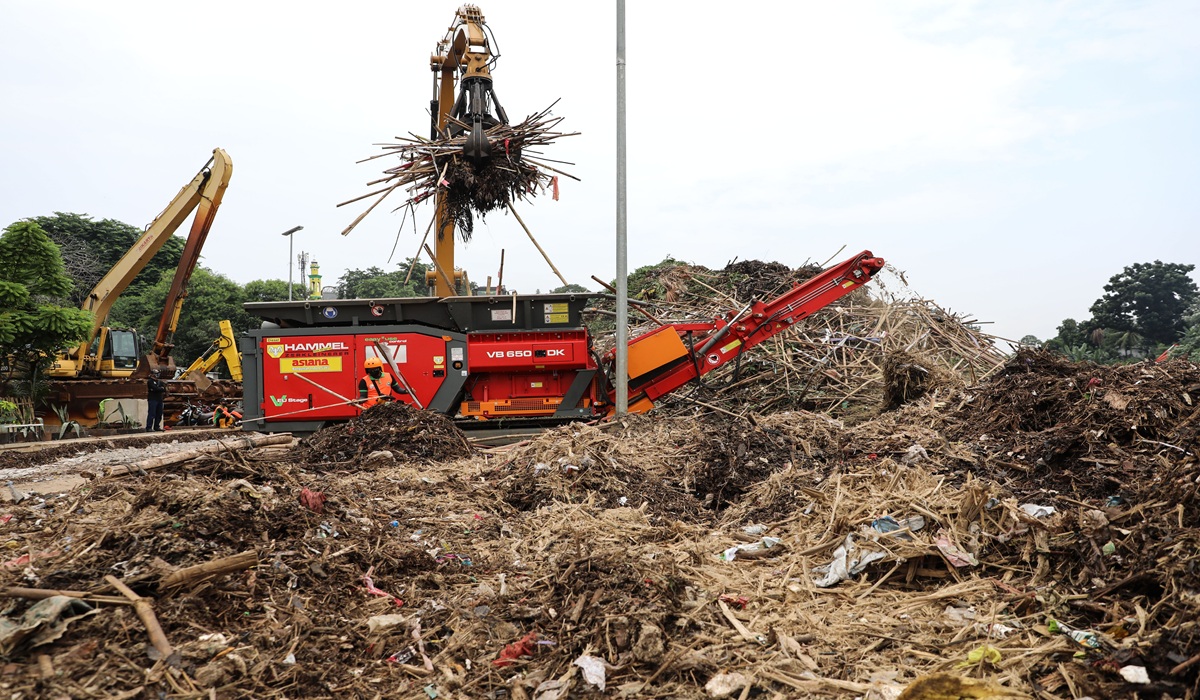
Residents who persist in burning rubbish in their home yards may face fines of Rp500,000. The DKI Jakarta Provincial Government (Pemprov) has confirmed that the practice of indiscriminate rubbish burning not only pollutes the air but also breaches regional regulations.
Jakarta DPRD Commission D Chair Yuke Yurike emphasised that the prohibition on burning rubbish is clearly regulated in Regional Regulation (Perda) No. 4 of 2018 on Waste Management. She urged the public not to regard the habit as trivial.
“The provisions regarding the ban on burning rubbish refer to Perda No. 4 of 2018 on Waste Management,” said Yuke in her statement on Friday (27/3).
She stressed that burning rubbish is one of the contributors to air pollution in Jakarta. This issue also emerged in a hearing between the DKI Jakarta Environmental Agency (DLH) and Commission D of the DPRD some time ago.
According to her, open burning, especially without supervision and clear standards, has the potential to worsen air quality in the capital, which is currently in a vulnerable state of contamination.
Head of the Air Pollution Control and Environmental Damage Division of DLH DKI Jakarta, Erni Pelita Fitratunnisa, confirmed that sanctions for violators are already regulated. Members of the public who continue to burn rubbish may be fined up to Rp500,000.
“The sanction is Rp500,000,” said Erni.
Both the DPRD and DLH consider the issue of rubbish burning to be far from minor. Smoke from open burning contains harmful particles that directly impact the health of residents near the location. The habit of burning rubbish in residential environments actually exacerbates the already vulnerable air conditions.
Erni added that controlling air pollution cannot rely solely on the government. Community participation is seen as a key factor in curbing pollution sources, particularly at the household level.
“Active community participation is also crucial for curbing pollution sources at the household level,” she said.
In addition to administrative sanctions in the form of fines, DLH is also studying options for social penalties for violators. One of them involves publicising the identities of perpetrators on social media. However, this concept is still in the study phase to ensure it has a strong legal basis before implementation.
“This is a social penalty, so there must be a clear legal umbrella. That’s what we’re preparing,” Erni emphasised.
The activity of burning rubbish is one of the main triggers for worsening pollution in the capital.