
Financial Expert Advice: Do Not Hoard Money in Your Bank Account
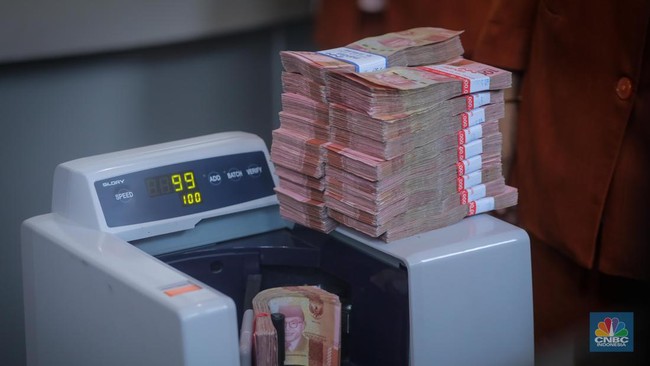
Jakarta — Amid economic uncertainty, the phrase “cash is king” is frequently cited, reflecting the market tendency to hold cash reserves, whether in savings accounts or liquid instruments such as US dollars, during uncertain economic conditions.
However, financial planners warn that hoarding excessive cash in bank accounts can actually prove disadvantageous in the long term. Cash value can be eroded by inflation or transaction errors.
“Savings accounts often lack the protections afforded to credit cards,” said Jessica Goedtel, a certified financial planner in Pennsylvania, according to CNBC Make It.
This means funds are more difficult to recover if the account is compromised. For this reason, it is advisable not to hoard cash in your account.
Meanwhile, according to Gregory Guenther, a licensed retirement planning counsellor in New Jersey, you should maintain only enough money in your account to cover bills for one or two weeks.
“If too little, you will feel anxious about every transaction; but if too much, you will miss growth in accounts with higher returns. The sweet spot is personal, but it will allow you to live without having to double-check your balance before buying groceries,” Guenther stressed.
Although maintaining a healthy cash balance can help you avoid bank admin fees, which can be quite bothersome, such funds are not a substitute for an emergency fund.
Emergency savings are intended for unexpected major expenses, such as medical bills or job loss.
Financial planners typically recommend setting aside emergency savings equivalent to three to six months of expenses in a separate, easily accessible location, such as a high-yield savings account. This way, money is available when you need it and without risk.