
Finance Minister Still Undecided on Continuing Electric Vehicle Incentives
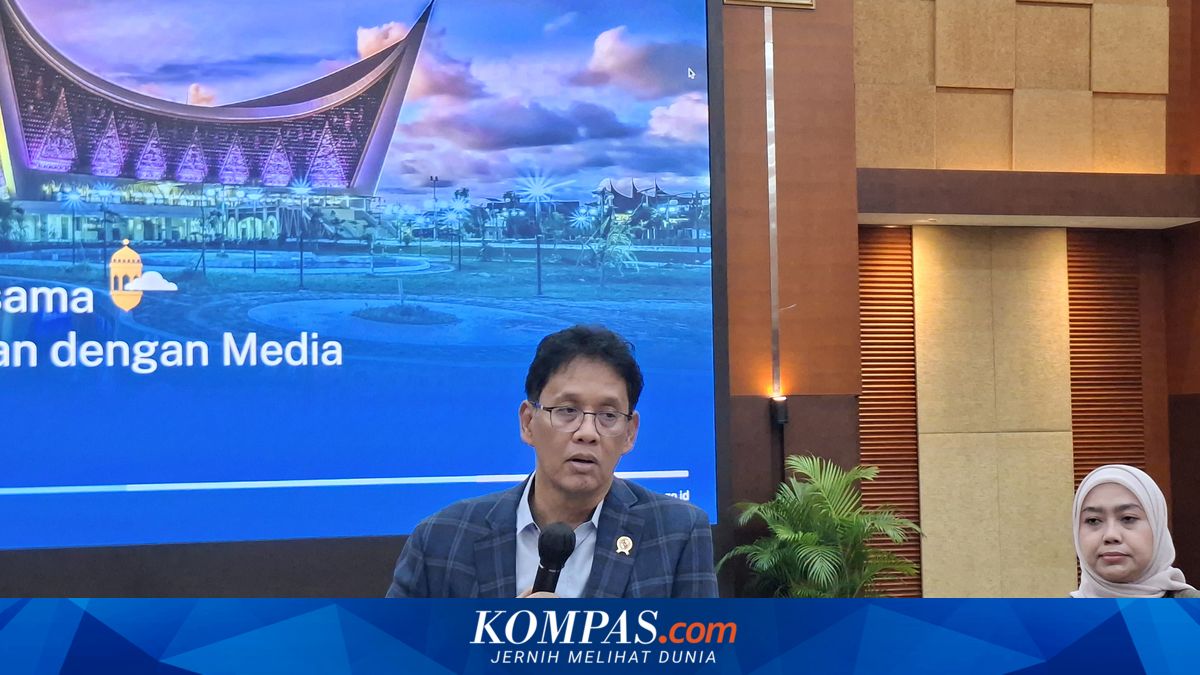
Jakarta — Finance Minister Purbaya Yudhi Sadewa appears still undecided regarding the option to continue providing incentives for electric vehicles.
According to Purbaya, from the perspective of the State Budget (APBN), he is still carefully calculating the impact, as the incentive policy has the potential to widen the deficit.
“I’m calculating again. If it looks good, we’ll provide it,” said Purbaya when met at the Finance Ministry office on Friday (6 March 2026).
Purbaya outlined the government’s reasons for remaining cautious about implementing fiscal policy, as the global economy is currently facing uncertainty.
He did not deny that the APBN is under pressure due to this global economic uncertainty. One factor is the potential increase in energy subsidy burdens and the uncertainty of Indonesia’s export performance.
However, conversely, if he sees pressure leading to deficit widening when providing incentives, such action would not be taken.
For this reason, the Finance Ministry will recalculate how large the impact of electric vehicle incentives is on the APBN deficit position.
“So we will calculate how large the impact is on the deficit. If it’s not too large, it’s okay,” said Purbaya.
Over two years of providing incentives from the government, Airlangga has observed results. Several electric vehicles sold in Indonesia are also assembled domestically.
Additionally, Airlangga observed that many electric vehicles, particularly electric cars, are now priced below 300 million rupiah. According to him, at that price point, no incentive is necessary.
Airlangga continued with President Prabowo Subianto’s request, where incentives would be better directed towards factory development needs alone.
If there are no incentives for electric vehicles next year, the effect could be on rising electric car prices. It could also prompt consumers to buy this year to still receive the incentive.
“The automotive sector can be reviewed. Because the automotive sector has been given incentives for the past two years valued at 7 trillion rupiah. And the current directive is, and investment in the automotive sector, especially EV, has increased,” said Airlangga at the Indonesian Business Council (IBC) Business Outlook 2026 in Jakarta on Wednesday (14 January 2026).