
Finance Minister Purbaya: New Whoosh Debt Restructuring Scheme Finalised, Awaiting Presidential Announcement
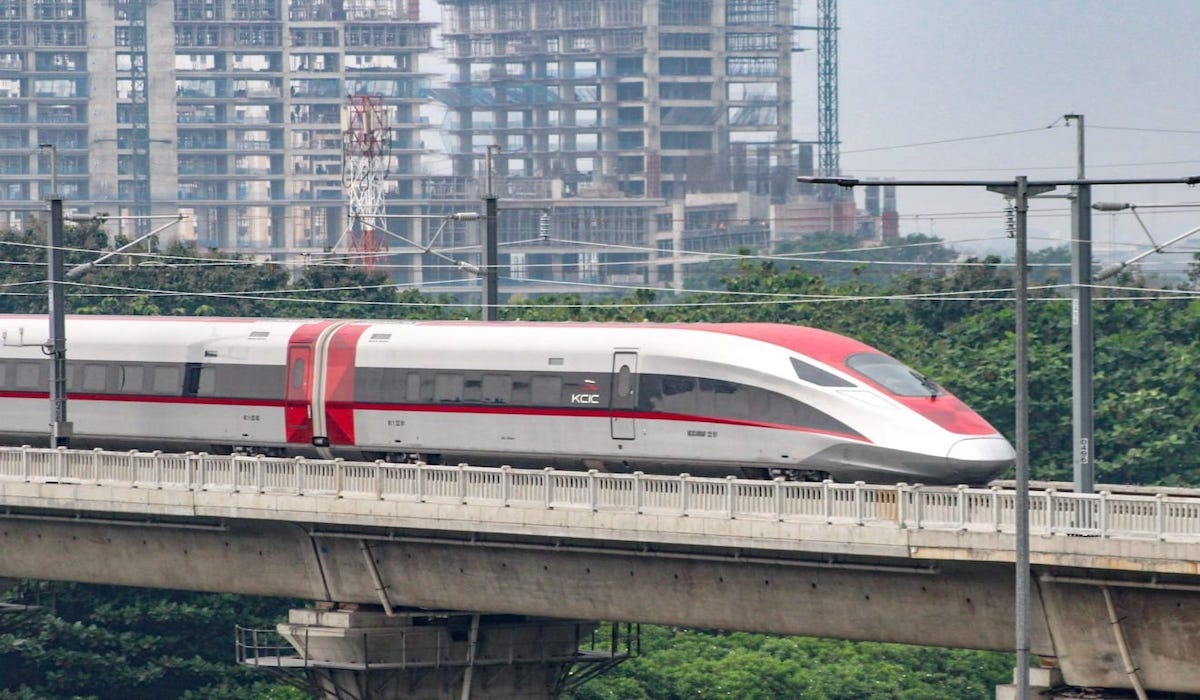
Finance Minister Purbaya Yudhi Sadewa has confirmed that discussions regarding the restructuring of debt for the Indonesia-China High-Speed Rail project (Kereta Cepat Indonesia-China, KCIC) or Whoosh have reached a final agreement. This strategic decision is crucial for the sustainability of operational activities and expansion plans for the high-speed rail line to East Java.
The government has established concrete steps to resolve the financial burden of Whoosh’s operator. However, the specific details of the restructuring scheme will be announced directly by President Prabowo Subianto or other relevant authorities.
“The meeting is concluded. It is already clear what the next steps are, but it will be up to the President or the government to make the official announcement, not me,” Purbaya stated, as reported by Antara on Friday (13 March).
The Finance Minister’s statement responds to concerns about the KCIC debt burden, which had been described as an obstacle to developing subsequent projects. This confirmation also addresses previous remarks by Coordinating Minister for Infrastructure and Regional Development Agus Harimurti Yudhoyono (AHY).
Previously, Coordinating Minister AHY had stressed that financial restructuring of PT KCIC is an absolute prerequisite before the government can accelerate construction of the Whoosh line through to Surabaya and Banyuwangi. According to AHY, the operator’s current financial health will determine the roadmap for future infrastructure development.
“We should first ensure the KCJB is resolved, meaning the solution can be properly implemented, only after that should we proceed with further development,” AHY emphasised.
With the completion of discussions at the Finance Ministry level and involvement of Danantara Indonesia, the Whoosh project’s projection to traverse the island of Java now has a stronger financial foundation. The presence of high-speed rail extending to the eastern tip of Java is expected to significantly transform the landscape of the national economy and connectivity.