
Finance Minister Purbaya Discusses Internal Objections to Rp 200 Trillion Banking Placement Policy
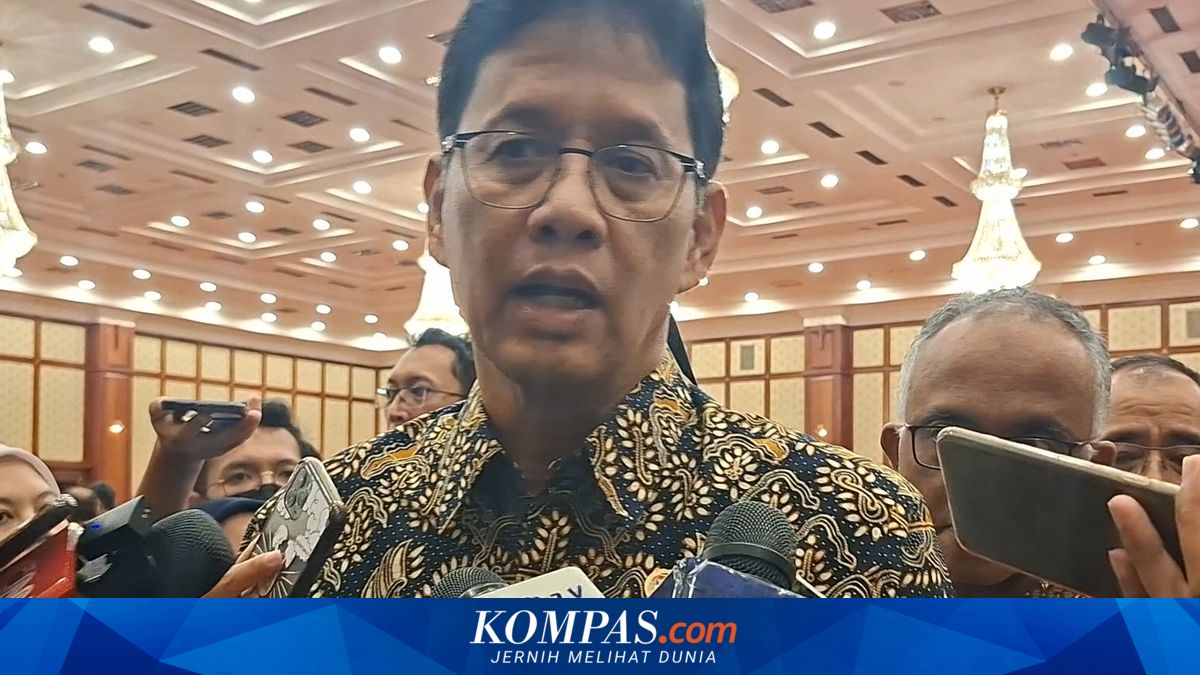
JAKARTA — Finance Minister Purbaya Yudhi Sadewa has disclosed that there was initial resistance from within the Finance Ministry regarding the policy of placing Rp 200 trillion in excess budget balances (SAL) into the banking system.
Purbaya stated that the objection came from the Director General of Treasury at the Finance Ministry, Astera Primanto Bhakti, who was concerned that the policy could lower interest rates and potentially reduce returns on government fund management.
“He initially protested, ‘Don’t, sir, don’t. Interest rates will fall.’ He was reluctant to accept the losses, but after some persuasion, he eventually agreed,” Purbaya said in Jakarta on Tuesday, 10 March 2026.
He viewed open discussion between superiors and subordinates as important for ensuring that decisions taken take various risks into account. “What matters is that when discussing with your superior, communicate everything you understand so that your superior can make the right decision. But once a decision has been made, we implement it together,” he said.
Purbaya explained that the SAL placement policy aims to strengthen liquidity in the banking system. The government transferred approximately Rp 200 trillion from Bank Indonesia to commercial banks to maintain liquidity in the financial sector.
He also valued the role of the Directorate General of Treasury as important in maintaining liquidity stability in the economy.
According to Purbaya, few people fully understand how state cash management policies can affect monetary conditions and financial system stability. “Not many truly understand policies that can affect monetary conditions,” he said.
The government has placed a total of Rp 276 trillion from SAL sources into five members of the Association of State-Owned Banks (Himbara) and one regional development bank (BPD). The breakdown includes: Bank Mandiri, BRI and BNI each receiving Rp 80 trillion; BTN Rp 25 trillion; BSI Rp 10 trillion; and Bank DKI Rp 1 trillion.
Purbaya announced plans to extend the placement period for the Rp 200 trillion government funds in banking through September 2026. The extended placement period from these excess budget balances is expected to further strengthen banking liquidity, allowing credit distribution to continue growing.
However, he will conduct a policy evaluation when it comes due in September. Since the initial fund placement began in September 2025 through January 2026, the policy has contributed to declines in deposit and credit interest rates.
“When the Rp 200 trillion placement reaches maturity on 13 March 2026, it will be immediately extended for another six months. Banks need not worry about losing liquidity because the government will continue to support market liquidity,” Purbaya said to media following the State Budget Press Conference for February 2026 in Jakarta on Monday, 23 February 2026.