
Finance Minister Purbaya Confirms Plan to Replace Customs Authority with SGS No Longer Needed
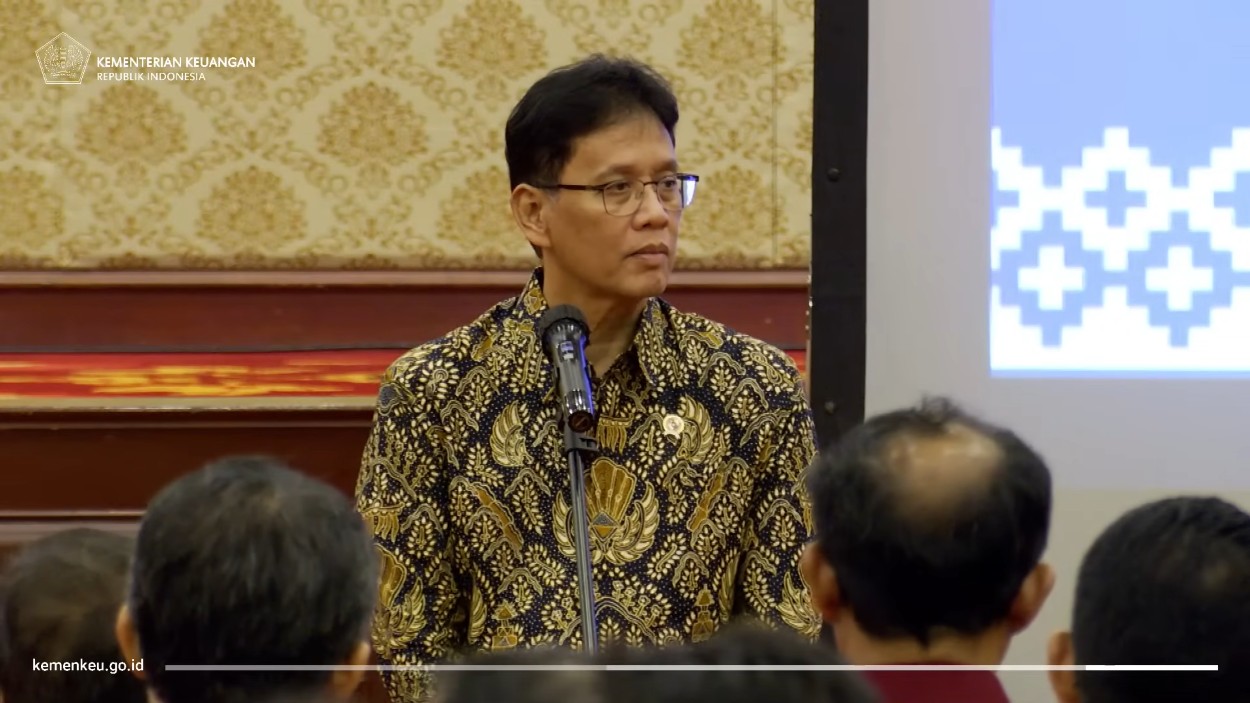
The government’s plan to transfer authority of the Directorate General of Customs and Excise (DJBC) to Swiss-based inspection firm Société Générale de Surveillance (SGS) will not proceed. This was announced by Indonesia’s Finance Minister Purbaya Yudhi Sadewa during the Installation of Officials within the Ministry of Finance (Tuesday, 10 March 2026).
In his remarks, the Finance Minister stated that during meetings with President Prabowo Subianto at the State Palace, the president repeatedly raised concerns about DJBC’s performance and had suggested transferring DJBC’s functions to SGS. “Just disband Customs and replace it with SGS,” Purbaya quoted the President as saying in previous meetings.
Responding to this, Purbaya emphasised that the plan to freeze DJBC and transfer its functions to SGS is no longer required following improvements in performance within the customs authority. “I see performance improvements and I am confident that we are able to carry out reforms in the customs and excise sector, so this authority does not need to be transferred to SGS,” the Finance Minister stated firmly.
Purbaya also acknowledged that the proposal to transfer authority to SGS had caused him to consider whether such a step should be implemented. He revealed that whenever issues concerning the performance of Customs and Tax were discussed in meetings at the Palace, he often felt concerned. However, the decision not to proceed with transferring functions to SGS is viewed as recognition of the hard work of DJBC staff, who have demonstrated genuine performance improvements.
In addition to this recognition, Purbaya reminded staff that this achievement should serve as motivation to continue improving performance. He emphasised that Customs officials must remain vigilant and continue their reform agenda, including through strengthening digitalisation systems. Digitalisation is important to minimise face-to-face meetings with business operators and prevent potential leakage. “This recognition is a form of appreciation for the hard work we have accomplished so far, whilst also serving as a reminder to ensure performance does not decline in the future,” Purbaya concluded.
For context, SGS is a global company providing verification services, including inspection, testing, verification, and certification activities for various industrial sectors in both domestic and international markets. In Indonesia, the company operates through PT SGS Indonesia, a subsidiary of SGS SA and part of the SGS Group.
Historically, SGS was involved in overseeing customs and excise activities during President Soeharto’s administration in 1985. This policy was adopted in response to widespread illegal levies and smuggling practices. During that period, some customs oversight functions were transferred to SGS until the arrangement was terminated in 1995.