
Finance Minister Outlines Economic Risks to Indonesia from US-Iran Conflict
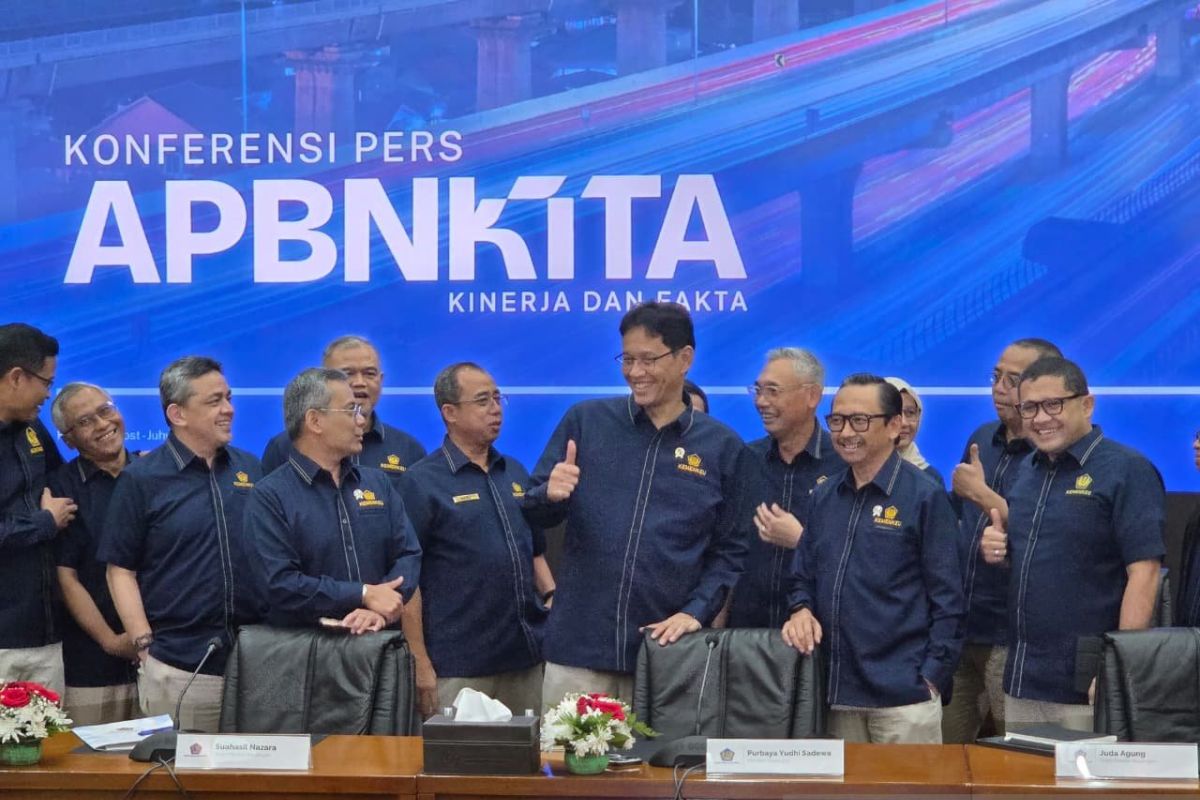
Jakarta — Finance Minister Purbaya Yudhi Sadewa has outlined several risks that the Indonesian economy could face due to escalating conflict between the United States, Israel and Iran in the Middle East region.
According to the minister, one of the primary risks stems from the potential closure of the Strait of Hormuz, which could disrupt global energy supplies and trigger a surge in commodity prices, particularly crude oil.
“This uncertainty is reflected in the increased risk-off sentiment in global financial markets, characterised by high volatility in market indices including the VIX and MOVE, investor shift towards safe-haven assets, strengthening of the US dollar index (DXY), and rising 10-year US Treasury yields,” Purbaya said at a press conference on the March edition of Indonesia’s State Budget (APBN) in Jakarta on Wednesday.
From the trade route perspective, rising oil prices could increase Indonesia’s burden of energy imports. This situation could compress the trade balance surplus whilst affecting the balance of payments.
On the fiscal side, Purbaya emphasised that the State Budget and Revenue Expenditure (APBN) will function as a shock absorber despite potential increases in energy subsidies and debt interest burden.
However, the government could also gain additional revenue from rising commodity prices such as coal, nickel and palm oil (CPO).
The government will continue to closely monitor developments of the conflict to ensure that APBN instruments can work responsively.