
Finance Minister: Government Plans Incentives to Support Labour-Intensive Industries
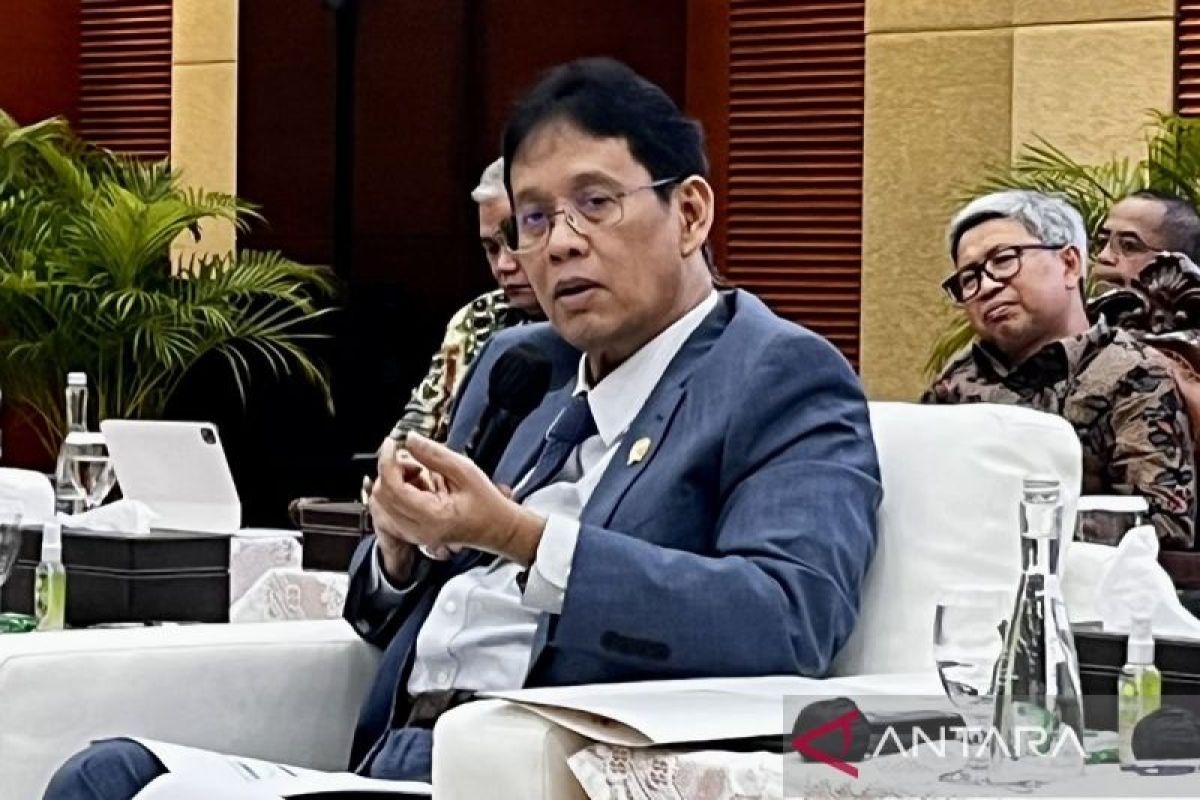
Finance Minister Purbaya Yudhi Sadewa stated that the government plans to provide incentives for labour-intensive industries, including textiles.
“We will also meet with the textile, footwear, and other industries, where they require cheaper funds for renewing their machines,” said the Finance Minister Purbaya during the APBN KiTa press conference in Jakarta on Tuesday.
Furthermore, he assured that his side would also involve relevant stakeholders, including the Ministry of Industry (Kemenperin).
The State Treasurer assessed that this step is an active effort by the government to mobilise the private sector, which is also one of the drivers of the national economy.
“So we will really revive the private sector as well. So, the economy is not only driven by the government, but the private sector will also thrive. President Prabowo Subianto has instructed that,” said Purbaya.
The Finance Minister said the government is striving to ensure all national economic growth engines, including labour-intensive industries and manufacturing, run well to accelerate Indonesia’s economic target of 8% in 2029.
“Our spirit now is to ensure all economic engines are running. We have pushed demand now, and we are also pushing the manufacturing sector,” said Purbaya.
Earlier on Tuesday morning (5/5), Finance Minister Purbaya, together with Industry Minister Agus Gumiwang Kartasasmita, discussed efforts to increase exports of Indonesian manufacturing products.
Agus said that data from the Central Statistics Agency (BPS) shows that around 75-80% of national exports come from manufacturing products. However, most of the production from Indonesia’s manufacturing industry sector is still absorbed by the domestic market.
According to him, this condition differs from countries like Vietnam, Thailand, and Malaysia, which have a larger export orientation for manufacturing.
For that reason, the Industry Minister stated that he wants to increase the portion of manufacturing exports without reducing protection for the domestic market.
“We also need to look at the possibility of increasing exports of our products abroad so that we can slightly change the ratio between manufacturing output that is 80% domestic and 20% export without reducing the domestic portion,” said the Industry Minister.