
Finally! Google Messages on Android Can Share Real-Time Location, WhatsApp Has a Serious Competitor
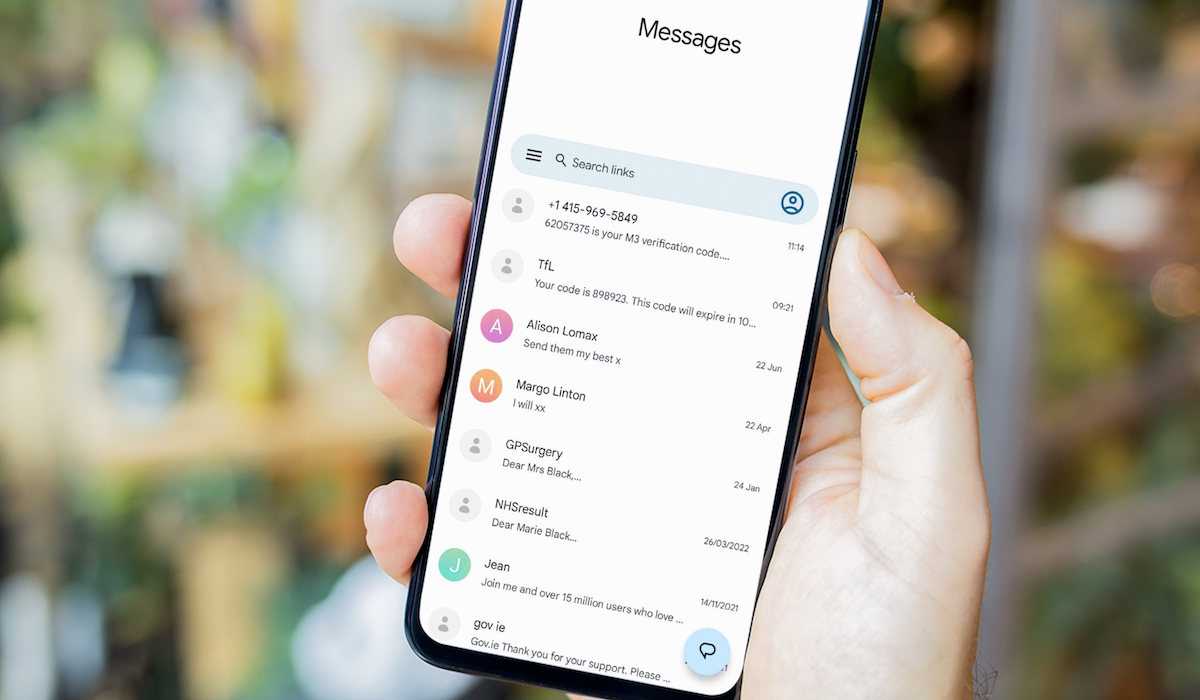
For years, Android users have had to switch to WhatsApp, Telegram, or Google Maps to accurately share their location while on the move. However, as of February 2026, Google has officially closed this gap. Through the latest update to the Google Messages app, users can now share their location in real-time directly from within a chat.
This move is seen as a major strategy by Google to transform Google Messages from a simple SMS/RCS app into a complete communication platform capable of competing with Apple’s iMessage and Meta’s WhatsApp.
The feature is directly integrated with Google’s Find My network. When you want to share your location, you no longer send a static “pin” that doesn’t change, but rather a dynamic link that updates your GPS position every few seconds.
To start using this feature, make sure you have updated the app to the latest version. Here are the steps:
Once active, a persistent banner will appear at the top of the chat screen for both you and the recipient, indicating that the sharing process is in progress and the remaining time.
Important Information: You can stop sharing your location at any time by pressing the “Stop” button on the banner at the top of the chat without having to wait for the duration to expire.
One of the unique advantages of this Google solution is its interoperability. If you send a live location to a friend who hasn’t updated the app or even a non-Android user, they will still receive a Google Maps link that can be opened via a browser.
Your location will continue to be updated there accurately.
Google ensures that this feature runs on the RCS protocol, which has strong encryption. Users have full control to stop sharing their location at any time. No location data is continuously shared after the duration expires or after it is stopped manually.
With the arrival of this feature, Google Messages further solidifies its position as the primary messaging app for the Android ecosystem, reducing users’ dependence on third-party apps for daily coordination. (Z-10)