
FILONOMICS: The Hormuz Strait Closed, Is the World on the Brink of Famine?
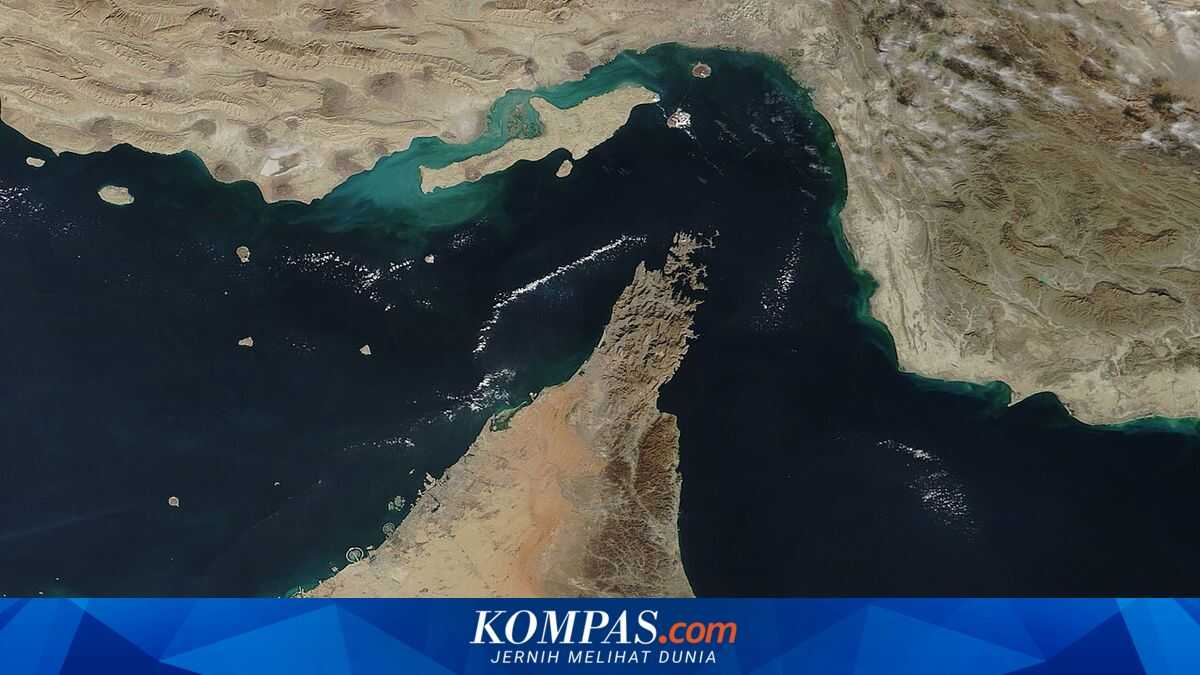
An agriculture economist, Bustanul Arifin, argues that the blockade of the Hormuz Strait amid the Iran–US–Israel conflict could trigger a global food crisis and a wave of famine worldwide. ‘If agricultural production costs rise, selling prices will surely rise as well. When food prices rise, there are people who cannot afford to buy, and there the potential for a food crisis could emerge,’ Bustanul said on the Filonomics Podcast on YouTube (Kompas.com), Friday (6 March 2026). According to Rabobank data, the global financial institution focused on the food and agriculture sector, 45 percent of the world’s urea fertiliser exports come from the Gulf region. Therefore, any disruption to shipping routes can directly affect fertiliser availability in international markets. ‘It is very possible that that figure would rise because of the closure of the Hormuz Strait,’ Bustanul said. On domestic impact, although Indonesia produces urea fertiliser itself, other fertiliser inputs such as phosphate and potassium still rely on imports from the Middle East. Distribution disruptions in the Hormuz Strait could raise production costs for Indonesian agriculture. Bustanul added that another potential impact to monitor is pressure on the state fiscal, as rising energy and fertiliser prices could force the government to increase subsidies, both for fuels and for subsidised fertilisers for farmers. ‘The state budget could be under pressure because it has to bear energy subsidies as well as higher fertiliser subsidies,’ he said. A full explanation of Bustanul’s remarks can be viewed in the latest Filonomics episode on the Kompas.com YouTube channel by clicking the title: Iran Blockade of the Hormuz Strait, World War 3 Breaks Out? Is Our Food Safe?