
Fibroids and Adenomyosis Threaten Reproductive-Age Women, Many Asymptomatic
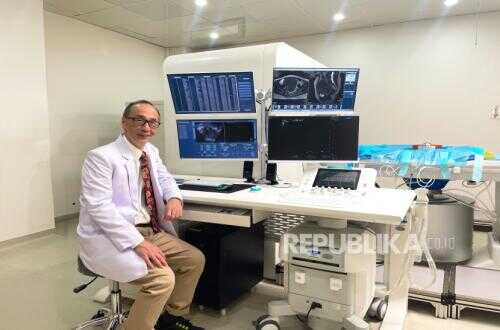
Fibroids and adenomyosis are two reproductive health issues frequently affecting women of productive age. However, many cases go unnoticed because they present no clear symptoms.
Dr Sigit Pramono, Specialist in Obstetrics and Gynaecology at RS Abdi Waluyo Hospital, explained that fibroids are essentially a thickening of the uterine muscle whose growth can occur on various sides of the uterus, whether at the front, back, right, left, top, bottom, or protruding into the uterine cavity.
“Fibroids are fundamentally a thickening of the uterine muscle. The thickening can occur anywhere and growth can also extend into the uterine cavity,” Dr Sigit stated.
Based on Indonesian data from 2021, approximately 30–60 per cent of reproductive-age women have fibroids. Of this number, approximately one quarter require therapy, whether through medication or non-pharmacological interventions including surgery.
However, approximately 25 per cent of fibroid sufferers experience no symptoms whatsoever. Some experience non-specific symptoms, such as bladder dysfunction.
“The absence of symptoms does not mean there are no fibroids or cysts. This is why routine medical check-ups are important, even when feeling healthy,” he said.
The most commonly reported symptoms include menstrual pain, excessive menstrual bleeding, pressure sensation in the lower abdomen, urinary or bowel dysfunction, and pain during sexual intercourse. With large fibroids, the mass can press against the vaginal canal, causing pain during intercourse.
According to Dr Sigit, not all fibroids require immediate intervention. Treatment depends on size, symptoms, age, and the patient’s reproductive plans. However, fibroids larger than 4 centimetres generally warrant consideration for therapy due to the risk of affecting ovarian reserve.
He cited the case of a 24-year-old patient with a 10-centimetre fibroid whose ovarian reserve was equivalent to that of a 40-year-old woman.
If left untreated, fibroids can trigger infertility, reduce quality of life due to pain and heavy bleeding, and even risk disrupting social functioning as sufferers struggle to engage in normal activities during menstruation.
Beyond genetic factors, lifestyle and dietary patterns also play a role in increasing the risk of fibroids and adenomyosis. Therefore, Dr Sigit recommends women begin uterine examinations from the early twenties, particularly those with a family history of cysts or fibroids.
“We are also now seeing a tendency for women’s ovarian reserve to decline. Examination consists of abdominal ultrasound, but can be supplemented with blood tests to assess ovarian reserve,” he noted.
Large fibroids can even compress the spine and worsen bone conditions when entering menopause. Therefore, early detection is considered important to prevent long-term complications.
“There is no harm in early screening, especially as we see marriage ages globally approaching 40 years. Fibroids and adenomyosis commonly occur during women’s reproductive years, so screening from the early twenties is advisable. With modern lifestyle and diet—excessive processed foods—the risk increases not only for fibroids and adenomyosis but for reproductive and obstetric complications generally. We recommend early twenties screening even without symptoms, and it is mandatory if there is a genetic family history of cysts or fibroids,” he concluded.