
Fibre Optic Prices Surge: How This Impacts Internet Tariffs in Indonesia
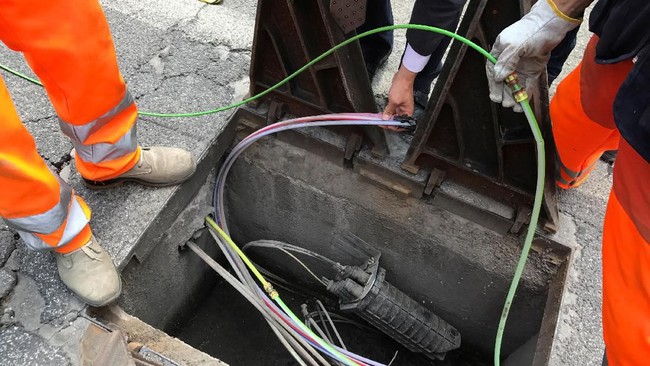
Geopolitical tensions in the Middle East involving Iran are not only affecting regional politics but also putting pressure on Indonesia’s digital infrastructure sector. The fibre optic business is facing challenges due to disruptions in global supply chains and spikes in material costs. Industry players are beginning to feel these effects, though they have not yet fully trickled down to end consumers. Vice Chair of the Indonesian Telecommunications Network Providers Association (APJATEL), Nia Kurnianingsih, explained that the geopolitical conflict is having indirect impacts on the domestic fibre optic industry, particularly in terms of global supply, logistics, and exchange rate fluctuations. This is because the industry remains heavily dependent on imported raw materials, meaning any global supply chain disruptions directly affect costs and project planning. According to her, the current situation is still manageable, though businesses must be more anticipatory. Material supplies are still available, but companies are re-planning and optimising existing networks to reduce the need for new constructions. “So, in terms of supply, it’s still there, but businesses really need to be more anticipatory in handling it. The anticipation is in planning, in optimising existing networks, like that,” Nia said in Profit on CNBC Indonesia, quoted on Monday (20/4/2026). The biggest pressures come from a combination of exchange rate fluctuations, logistics delays, and the high cost of imported materials. Delivery lead times for materials are lengthening, which could ultimately delay fibre optic network construction project schedules. Projects that could previously be completed within a certain period now have to be adjusted due to logistical uncertainties. Additionally, operational costs are rising along with the increased prices of imported materials. Telecommunications operators and network providers are currently opting for internal efficiencies and operational strategies to ensure services continue without disruption. The industry’s priority is to maintain affordable services for the general public. “We have a priority that the services provided must be affordable for the wider community and there should be no disruptions in service at all,” she said. Nia emphasised that, to date, these impacts have not been directly felt by consumers. Service tariffs remain stable and have not experienced increases. Businesses are still absorbing the cost pressures through efficiencies and operational optimisation. However, theoretically, tariff hikes could occur if cost pressures start to erode company margins. Each business has different strategies for managing efficiencies, so the impact on tariffs also depends on each company’s conditions. “If we talk theoretically, if margins are eroded, there will definitely be increases. But since each business has different strategies in managing operations and efficiencies,” she stated. To anticipate escalating geopolitical issues, businesses are starting to diversify supplies, improve operational efficiencies, optimise networks, and collaborate among industry players. APJATEL is also encouraging openness among members so that challenges can be addressed collectively, while hoping for government support in policies that maintain industry stability.