
FHUI Case: Families Must Build Child-Rearing Patterns Based on Gender Equality
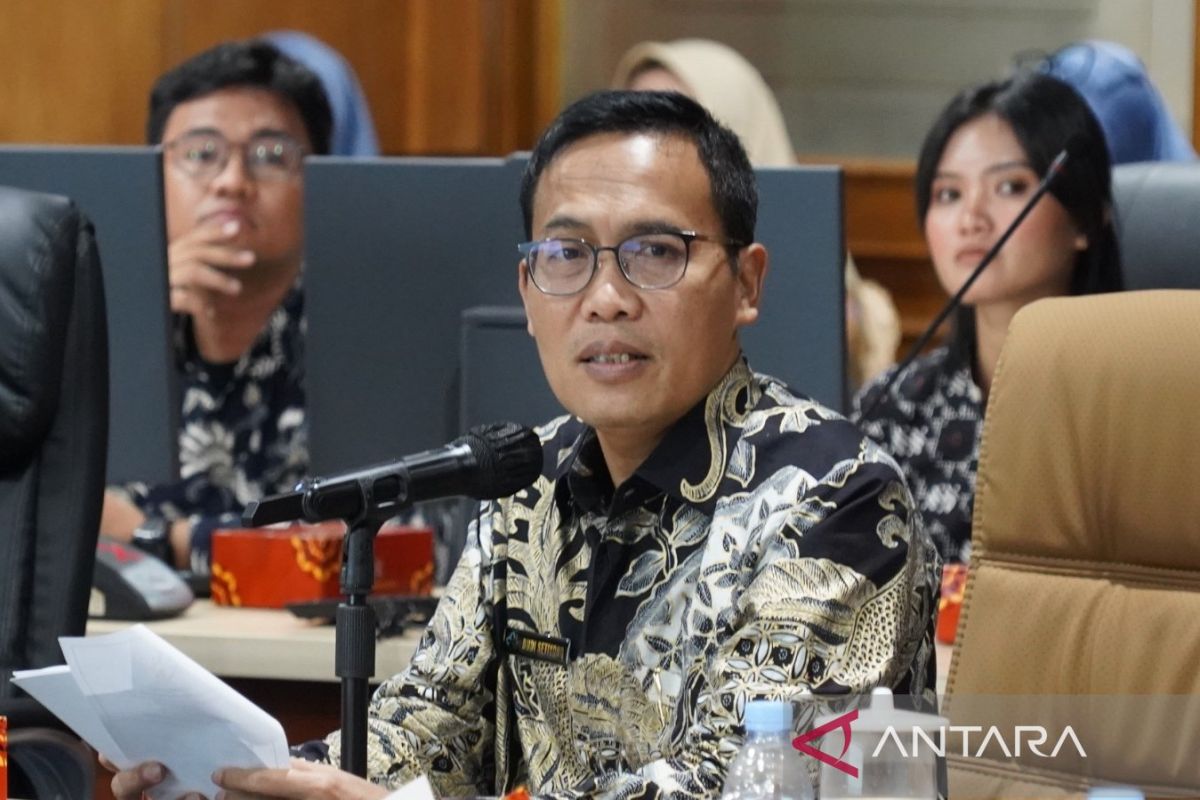
Jakarta (ANTARA) - The Ministry of Population and Family Development (Kemendukbangga)/BKKBN states that families must build child-rearing patterns based on empathy and gender equality to respond to the verbal harassment case perpetrated by a student from the Faculty of Law at the University of Indonesia (FHUI). “Families need to build child-rearing patterns based on empathy and gender equality, particularly fostering awareness that women are not objects that can be harassed,” said Secretary of Kemendukbangga/BKKBN Budi Setiyono in Jakarta on Wednesday. Budi emphasised that every individual and family has a responsibility to build and create safe and mutually respectful spaces. Remaining silent or allowing it to happen will only strengthen deviant cultures and behaviours to continue occurring. “We must also stop the normalisation of sexual jokes. Parents must re-teach social ethics about the noble and dignified values of our nation’s culture. Families or immediate environments also need to encourage victims’ courage to report,” he said. “Families need to provide support for victims to eliminate trauma. Verbal harassment occurs partly due to weak family child-rearing patterns and social values, which arise because gender biases are not corrected early in family and community social environments,” he explained. Therefore, according to him, every family must review and continuously improve the upbringing of their children so that they do not fall into sexual harassment or other deviant behaviours. “Instil religious values, customs of politeness, and social ethics in children from an early age. This case is a reflection of broader challenges in our society, particularly in family development,” said Budi. Handling such cases cannot be limited to sanctions alone but requires cultural change, socialisation of values and early child-rearing, education, and sustainable systems of values and ethics. In this context, families and educational institutions play a determining role. “In addition, creating safe spaces, both physically and digitally, is a collective responsibility. There should be no tolerance for sexual harassment in any form or anywhere,” he stated. Kemendukbangga/BKKBN, together with all stakeholders, also commits to continuously monitoring and discussing the issue further, and formulating policies to ensure similar problems do not occur again. “We will also intensify the socialisation of PP Tunas to reduce the development of a sexual harassment culture in digital spaces in the future,” thus said Budi Setiyono.