
FHCI emphasises measuring organisational health to boost SOEs' performance
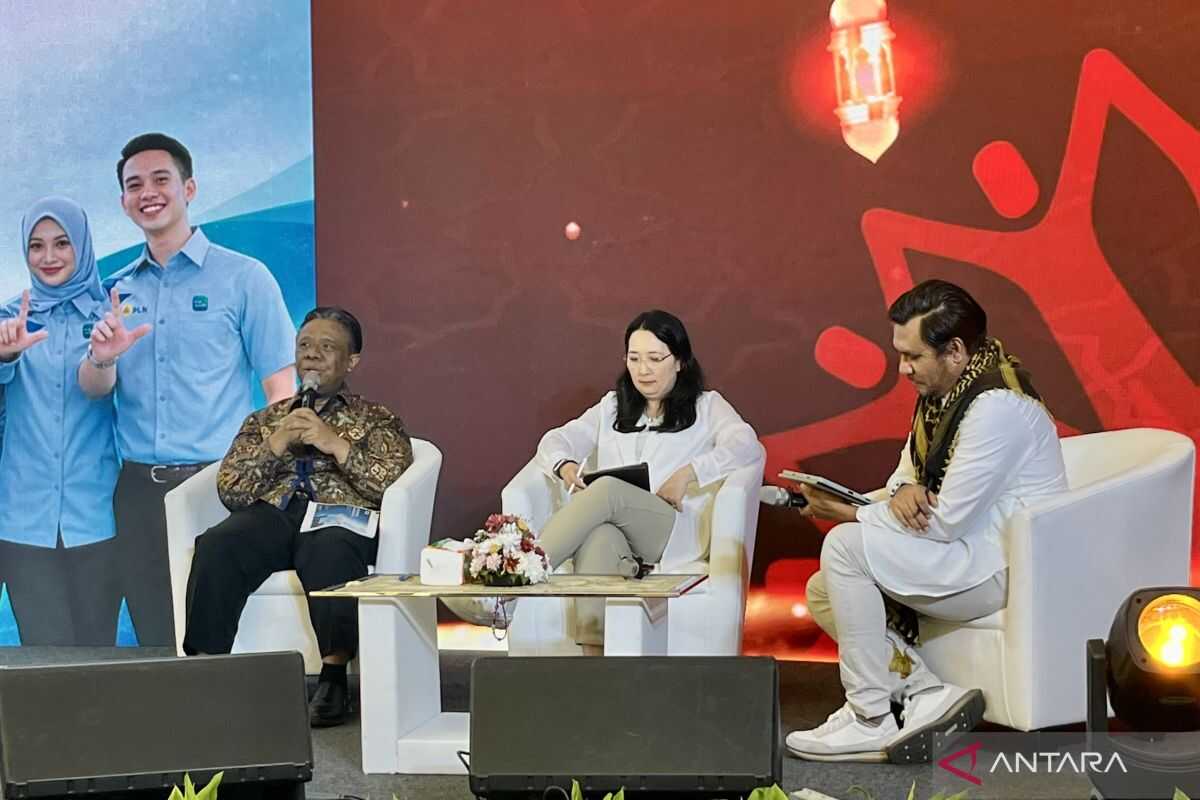
Jakarta — The Forum Human Capital Indonesia (FHCI) emphasised the importance of measuring organisational health to ensure the work culture aligns with business strategy during the FHCI Connect Expert Series 8, held at the headquarters of PT Perkebunan Nusantara III (Persero) in Jakarta on Wednesday 4 March. Under the theme ‘The Art of Ambidextrous Human Capital: Unleashing the Potential of High Impact, Value-Creating Talent’, the forum featured two speakers: Philia Wibowo, Leader of People & Organizational Performance Practice, Southeast Asia, McKinsey & Company; and Yusuf Didi Setiarto, Director of Legal and Human Capital Management, PT PLN (Persero). Philia explained that one way to gauge whether organisational culture acts as a driver or a barrier to performance is through the Organisation Health Index (OHI). OHI is an instrument to assess organisational health, not only from financial performance but also from how work is conducted within the company. She noted that many business execution problems stem from culture. She cited a performance‑appraisal system that does not operate optimally because of a culture of reluctance to provide feedback. ‘If the appraisal is not objective because it is awkward to give input, then the reward and talent development system will not have maximum impact,’ she said. Meanwhile, Yusuf Didi Setiarto stressed that culture and people are key to maintaining the balance between operational performance and long-term transformation at PLN. He cited the challenge of building a safety culture at PLN, which operates across Indonesia. In 2019, incidents of workplace accidents due to electric shocks still occurred in dozens of cases per year. In addition to safety, PLN is promoting a culture of efficiency and customer orientation through warehouse digitisation and the use of barcodes to improve asset accountability. ‘We are indeed a monopoly company, but the customers remain the priority,’ said Didi. Through this forum, FHCI urged the leadership responsible for human resources in state‑owned enterprises to ensure the HR function can balance short-term performance with the strengthening of organisational capabilities for the future in a measurable way.