
FEB UI Study: Resilience of State-Owned Enterprises Tested by 2026 Strait of Hormuz Turmoil
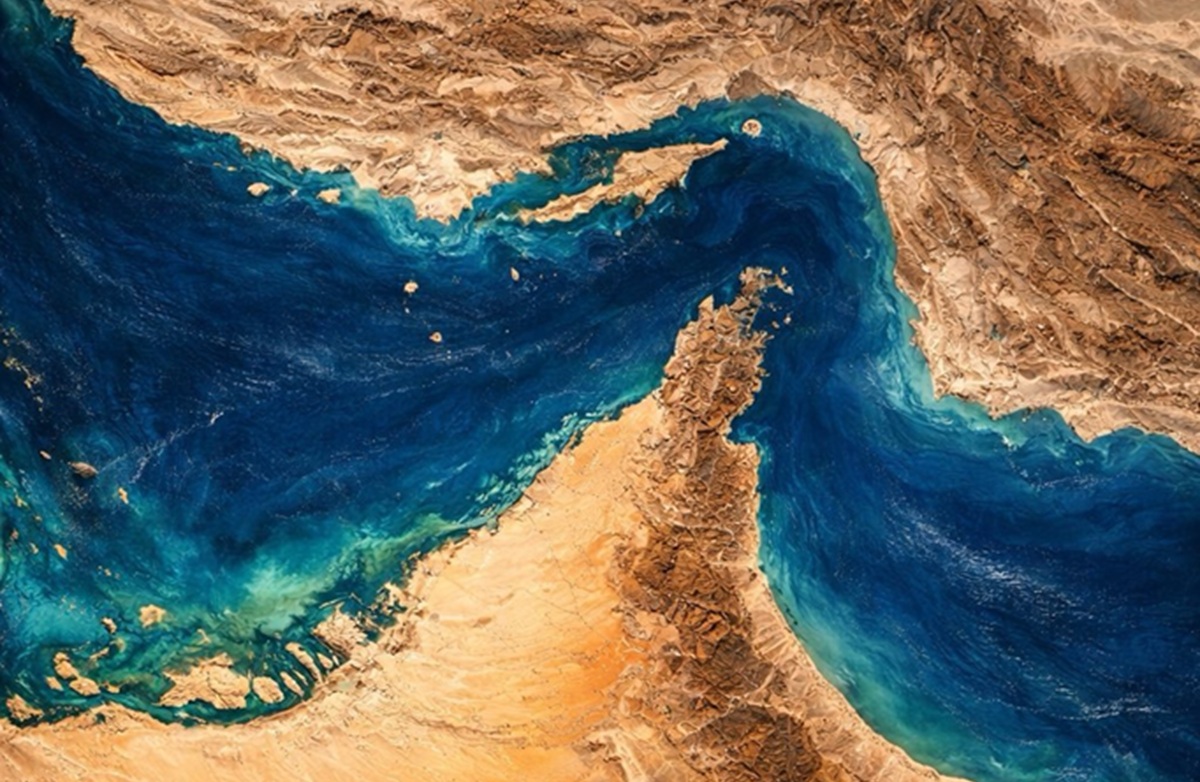
Geopolitical tensions in the Middle East, particularly along the strategic Strait of Hormuz route, are seen as a serious test for the resilience of Indonesia’s state-owned enterprises (SOEs). This was revealed in a policy brief released by the BUMN Research Group (BRG) of the Faculty of Economics and Business at the University of Indonesia (LM FEB UI) regarding the impact of the global energy crisis on SOE performance.
The study notes that the escalation of conflict between the United States and Iran in early 2026 has driven a surge in global oil prices exceeding US$90 per barrel. This situation could pressure the State Revenue and Expenditure Budget (APBN), given that Indonesia’s oil price assumption is set at US$70 per barrel.
“As a country that still relies on energy imports, Indonesia faces direct impacts from these price increases, particularly through heightened subsidy and energy compensation burdens,” said Toto Pranoto, Managing Partner of BRG LM FEB UI, in a written statement received on Saturday (28/3).
The study finds that the geopolitical turmoil’s impact on SOEs is asymmetric. Some companies face significant cost pressures, while others benefit from rising global commodity prices.
SOEs in the energy and transportation sectors are the most affected group. Pertamina bears the burden of energy imports with relatively limited margins. PLN faces pressure from US dollar-based contracts and electricity tariff gaps. Meanwhile, Garuda Indonesia is impacted by rising aviation fuel costs, a major operational component.
Additionally, pressures are felt in the infrastructure and industrial sectors, such as ASDP Indonesia Ferry, construction SOEs, and Pupuk Indonesia, due to increased raw material prices and supply chain disruptions.
On the other hand, commodity-based SOEs benefit. Bukit Asam gains from rising coal prices, while the mineral sector, including Freeport Indonesia, MIND ID, Timah, and Antam, profits from strengthening global commodity prices.
“This situation indicates potential ‘natural hedge’ in the SOE portfolio, where gains from the commodity sector can offset pressures in other sectors. However, inter-SOE coordination mechanisms are deemed not yet optimal to capitalise on this potential,” he stated.
In regional comparison, Indonesia is assessed to have relatively lower dependence on Middle Eastern oil supplies compared to some ASEAN countries. Nevertheless, institutional factors such as fuel pricing mechanisms, refinery capacity, and energy reserves make Indonesia’s fiscal impact greater.
Several countries in the region even have energy reserves of up to 60 days and implement systematic commodity price hedging strategies. Indonesia itself has only recently applied hedging to exchange rate risks but has not optimised it for energy price risk management.
In the short term, the study recommends diversifying oil import sources, increasing fuel reserves, and developing energy price hedging strategies. Additionally, resource allocation mechanisms at the holding level are needed to distribute surpluses among SOEs.
For the medium term, suggested steps include building strategic oil reserves, more adaptive fuel pricing reforms, accelerating domestic refinery projects, and strengthening financial risk management.
Cross-sectorally, establishing a commodity buffer fund or Commodity Stabilization Fund is considered important to maintain stability during energy price volatility. Furthermore, periodic stress tests on the SOE portfolio are necessary to ensure resilience against global crises.