
Fasting Can Heal GERD and Gastritis: Myth or Fact?
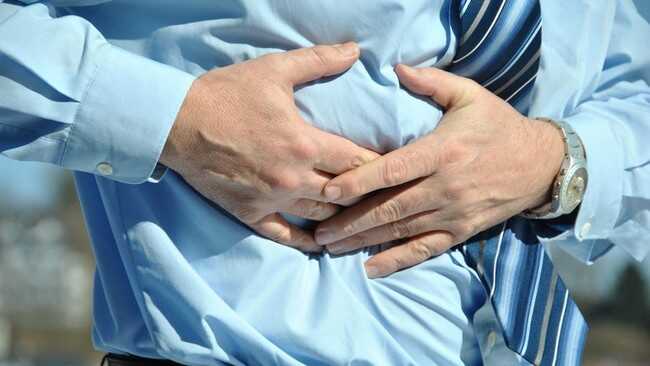
Jakarta, CNBC Indonesia - Fasting can be challenging for people with severe acid reflux, or GERD, because normally sufferers should not skip meals to avoid flare-ups. It is thus not surprising that some believe GERD patients should not fast to prevent recurrence, while others think fasting can cure GERD. What does the evidence say? Several studies indicate that fasting has many health benefits, including improvements to the digestive system. Dr. Aru Ariadno Sp.PD KGEH, an internal medicine specialist and consultant gastroenterohepatologist, told CNBC Indonesia in 2024 that Ramadan fasting can aid the healing process of GERD. This is because fasting trains us to manage our minds, which is closely linked to acid reflux disorders. ‘Most causes of acid-related disturbances are mental disturbances or functional dyspepsia. No organic abnormalities have been found,’ Dr. Aru told CNBC Indonesia in 2024. ‘So by fasting, we train the brain and mind to be better and more able to restrain ourselves, so usually acid reflux symptoms decrease and may even heal,’ he added. Consequently, Dr. Aru urged Muslims with a history of GERD to continue fasting. However, he also advised consulting a doctor before undertaking this obligatory act of worship for Muslims. ‘So aim to fast for those with acid reflux, and if necessary, consult your doctor before fasting to ensure you can complete the fast properly,’ Dr. Aru urged. ‘Except for those with severe acid reflux, such as gastric ulcers that may not fast, but continue to follow the doctor’s advice,’ he added. Dr. Aru also suggested GERD sufferers plan the types of diets to be adopted during the Ramadan month, including avoiding certain foods or drinks. ‘There is no special intake required [for GERD sufferers during fasting], but it is important to have a sufficient sahur and avoid coffee, overly spicy foods, ketan (glutinous rice), and tape at sahur,’ he explained. ‘Aim for a high-fibre sahur. At iftar, avoid ’revenge eating’. Break your fast with something sweet (food or drink) and do not eat too much. Avoid high acidity, overly spicy foods, soda, and coffee,’ he added. According to Dr. Aru, the ideal intake for GERD sufferers to comfortably observe Ramadan fasting is sahur with high-fibre foods, adequate protein, and avoiding high-carbohydrate items. Not only sahur, but the iftar menu should also be considered. ‘When breaking the fast, start with something sweet, such as dates or sweet tea. Do not immediately eat a large meal, as for those with acid reflux the stomach can feel bloated and unsettled by a sudden large intake,’ Dr. Aru noted. ‘After the Maghrib prayer, you should begin a full meal and try to sleep two hours after a large meal,’ he added. The following foods should be avoided by GERD sufferers during Ramadan fasting according to Dr. Aru: 1. Spicy foods 2. Sour foods 3. Foods containing santan (coconut milk) 4. Coffee 5. Glutinous rice 6. Tape (fermented cassava) 7. Soda