
Farewell Juwono Sudarsono: Reflections on Indonesia's Defence Reforms
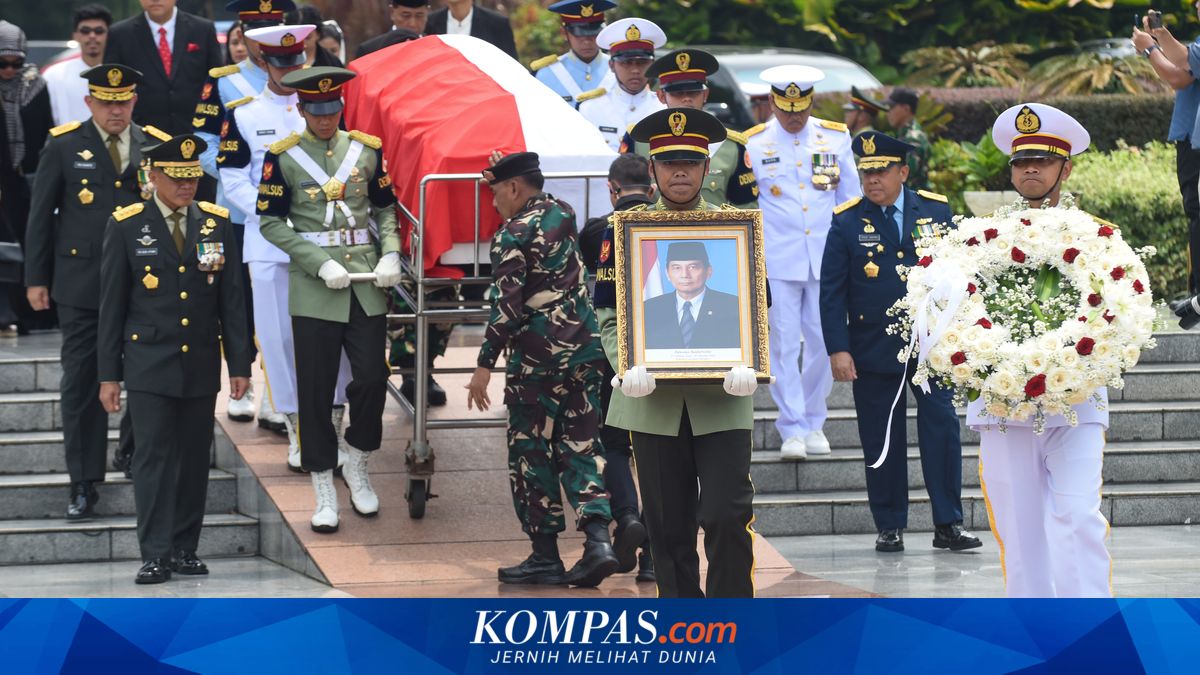
Under the tent adorned with red and white cloth at the Heroes’ Cemetery in Kalibata, South Jakarta, on Sunday, 29 March 2026, the atmosphere was palpably emotional. The orderly steps of the soldiers, blended with the beats of the marching band and salvos fired into the sky, formed the backdrop for the final farewell to my teacher, Professor Dr. Juwono Sudarsono. The scholar who passed away at the age of 84 was given a full military honour, a “poetic” irony for a civilian who spent half his life taming the coercive nature of weapons to uphold democracy in the Motherland. The departure of “Mas Juwono”—as students at the University of Indonesia (UI) called him—is not merely the loss of a former minister, but the fading of an era where defence authority was built on intellectual foundations and civility, rather than command threats. Today, we gaze towards “Merdeka Barat” with anxiety, even fear, at the returning shadow of militarism. At the same time, Professor Juwono Sudarsono’s intellectual legacy suddenly feels like a lighthouse whose beam is dimming amid signs of an approaching storm. Juwono Sudarsono was the antithesis of the typical official profile on the noisy political stage. His doctoral education from the London School of Economics (LSE) provided a broader geopolitical horizon, making him a “scholar-statesman” who viewed defence not merely as marching drills and barked commands, but as part of the global strategic chessboard. For journalists who covered him for decades—including myself—Mas Juwono was the ideal source, far from rigid protocol. He was always quick to smile and possessed the rare ability to explain the complexities of international conflicts in simple yet structured language. In the lecture halls of UI’s Faculty of Social and Political Sciences, he was known as a teacher very open to criticism, a character he carried to the ministerial seat. His steady and deep voice always conveyed authority born from scholarly depth, not from position. The nation’s history records Mas Juwono as the first civilian Defence Minister in the Reformasi era who truly succeeded in laying the foundations for transforming civil-military relations in Indonesia. Under Presidents Abdurrahman Wahid and later Susilo Bambang Yudhoyono, Mas Juwono shouldered the immense task of neutralising the military’s political role without sparking unconstitutional turmoil. His success lay not in confrontational bravery, but in his unique ability to persuade parties through intellectual means. Mas Juwono convinced the generals that the military’s withdrawal from practical politics was an absolute requirement for restoring the TNI’s credibility in the eyes of the people. He also realised Gus Dur’s vision of separating the National Police (Polri) from military control, regulating military businesses, and promoting soldier professionalism to return to their essence as protectors of sovereignty. From his courage and enthusiasm in realising all this, it is clear that for Mas Juwono, defence is a public good, a public service to support stability, not an instrument to silence societal aspirations.