
FAO Report: Indonesian Agricultural Land Increased by 10 Million Hectares in Two Years, Mostly Palm Oil
A recent report by the United Nations Food and Agriculture Organisation (FAO) has noted significant growth in agricultural land across several countries, including Indonesia.
Over the past two decades, Indonesia has emerged as one of the world’s fastest-growing nations in terms of agricultural land expansion. In just the past two years alone, agricultural land has increased by approximately 10 million hectares, with the majority of this growth driven by palm oil plantation expansion.
According to FAO data from the report titled “Land Statistics 2001–2023 Global, Regional and Country Trends,” in 2023, several countries held the world’s largest agricultural land areas. India leads globally with 168 million hectares, although it has experienced approximately a 1 per cent decline since 2001. Other countries with extensive agricultural land include China (128 million hectares), Russia (124 million hectares), and Brazil (63 million hectares).
Additionally, countries including Nigeria, Indonesia, Argentina, Canada, and Ukraine rank among those with substantial agricultural land areas, ranging from 34 million to 44 million hectares.
In the same report, Indonesia emerged as one of the countries with the most pronounced agricultural land growth. Between 2001 and 2022, Indonesia’s agricultural land expanded by approximately 10 million hectares, representing a 28 per cent increase. This expansion has been largely driven by the growth of permanent crops, particularly palm oil.
Indonesia’s agricultural land growth is notably high compared with several other countries. For comparison, Argentina recorded an increase of approximately 13 million hectares, or 44 per cent, driven by expansion of seasonal crops. Meanwhile, some countries have actually experienced reductions in agricultural land. Besides the United States, China and India have also recorded declines, albeit on a smaller scale.
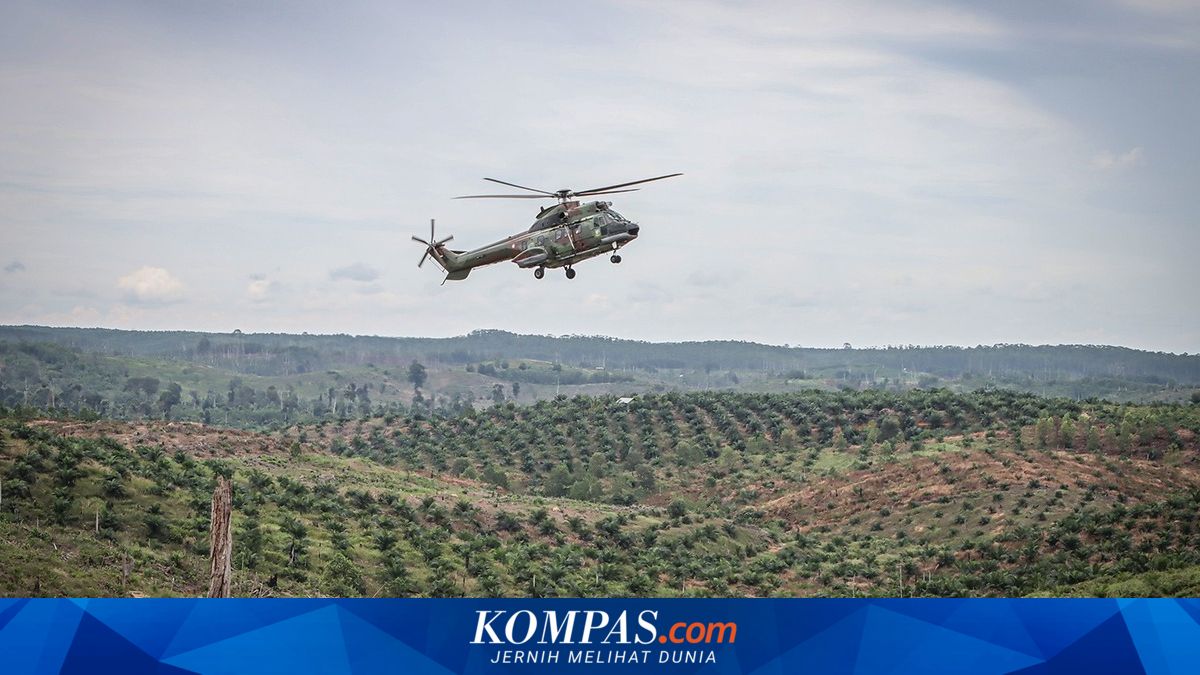
Indonesia’s agricultural land expansion has been inseparable from the rapid growth of palm oil plantations. This commodity has become a major national export driver and has significantly contributed to agricultural sector growth. However, the palm oil expansion has frequently been associated with various challenges, including changes in forest cover and environmental concerns.