
Fahri Proposes Stilt Houses Along Riverbanks, Jogja City Government Considers
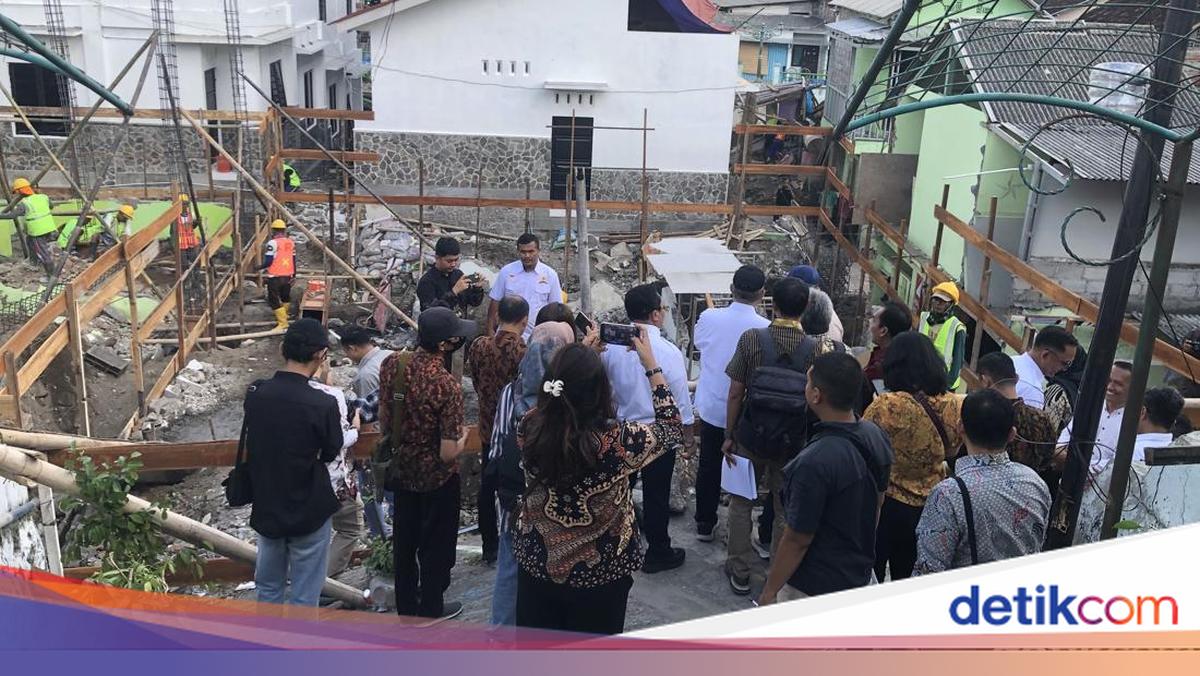
Jogja City Government has responded to Deputy Minister of Housing and Settlement Areas Fahri Hamzah’s proposal to build stilt houses along riverbank settlements, stating it requires careful consideration.
Head of Jogja City’s Public Works, Housing, and Settlements Agency (DPUPKP), Umi Akhsanti, said implementing the proposal requires in-depth study of the riverbank terrain. Besides the habit of ground-level housing, soil conditions also need consideration.
“For riverbanks this year, the concept remains terraced houses, not four-storey vertical housing,” Umi told detikJogja on Friday (29/5/2026).
“We still need to test soil strength, as much of the riverbank land is former waste dump sites. We also need to discuss with residents to shift from landed housing to vertical housing,” she added.
Fahri also suggested applying vertical housing concepts to the subsidized housing program, allowing such homes to be located near or within the city.
Regarding the proposal, Umi said it is difficult to realise due to scarce land in Jogja. However, the city is identifying potential sites for apartment buildings.
“Subsidized housing within the city is currently not feasible due to high land costs,” Umi stated.
“We are identifying locations suitable for vertical housing. In densely populated areas where land status allows for apartment buildings, we will provide specific points,” she added.
Previously, Fahri Hamzah proposed building stilt houses along Jogja’s riverbank settlements, citing rising urbanisation forcing cities to grow vertically to accommodate population growth.
Fahri stated that limited land leads to slums, especially along riverbanks, necessitating well-planned public spaces for cleaner, neater environments.
“My suggestion is for all houses to return to the traditional Indonesian stilt house concept,” Fahri said after inspecting settlements along the Code River in Kotabaru, Gondokusuman, Jogja, on Friday (29/5).
“The ground floor serves as public space, with elevated stilts providing areas for gatherings, children to play, and other community activities, as public spaces are vital for the mental well-being of our society,” he added.
Besides riverbank development programs, the government could use subsidized housing to build vertical dwellings. Fahri said subsidized housing should indeed use vertical concepts, as current programs use distant land to cut costs.
However, this approach has caused urban sprawl – uncontrolled expansion of urban areas into peripheral or rural regions.
“Subsidized housing creates urban sprawl as it only uses landed properties. Landed homes cannot be built in the city centre, leading to expansion without facilities, infrastructure, or amenities,” Fahri explained.
“This leads to people unable to stay long, higher costs, children unable to attend school nearby, and many vacant homes. It would be better to stay within the city with vertical housing, which should be the future policy direction to consolidate urban areas,” he added.