
Fadli Zon: Regional Language Bill Key to National Cultural Resilience
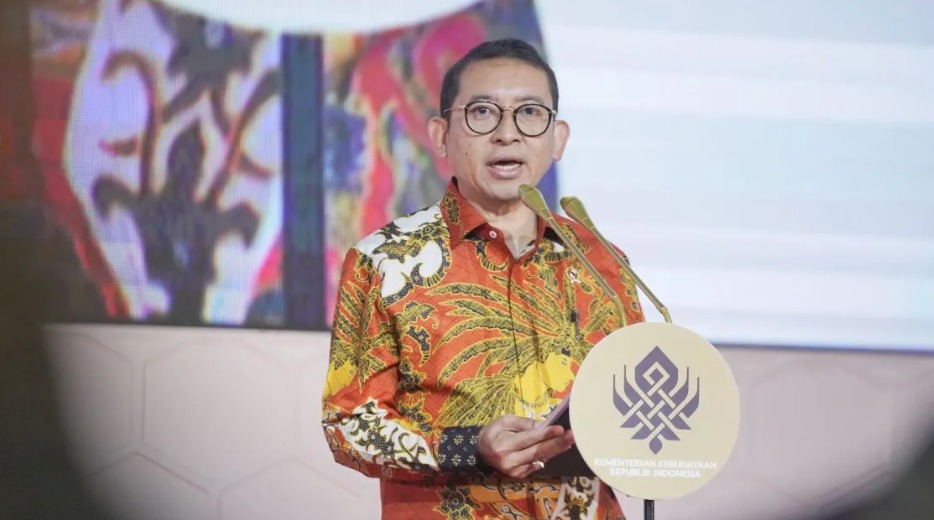
Indonesia’s Minister of Culture, Fadli Zon, has affirmed that the Regional Language Bill (RUU Bahasa Daerah) is one of the strategic priorities in efforts to sustain regional languages across the country. He conveyed this during a working meeting with the Regional Representative Council (DPD RI) at the DPD RI Building in Jakarta.
According to Fadli Zon, regional languages play a crucial role not only as a means of communication but also as the foundation for building national cultural resilience. He stressed that the state must actively ensure that regional languages remain alive and develop within society.
“Regional languages are not merely a tool for communication but form the foundation of cultural resilience and national identity. Therefore, the state must be present to ensure that regional languages are not only protected but also continuously used, developed, utilised, and passed down through generations,” said Fadli Zon.
Fadli Zon explained that the approach to regional languages needs to shift from passive preservation to more active revitalisation. These efforts include integrating regional languages into the education system, utilising digital technology, and involving the younger generation in creating creative content based on local languages.
He also highlighted the importance of the Regional Cultural Policy Document (PPKD) as the basis for formulating data-driven policies that reflect real conditions on the ground. According to him, the PPKD serves as a vital instrument to ensure that cultural policies are targeted effectively.
“The PPKD is not just an administrative document but the basis for cultural decision-making grounded in factual conditions on the ground. From there, we can ensure that the policies taken truly address community needs,” he added.
Fadli Zon emphasised that advancing culture is a shared responsibility that requires cross-sector collaboration, including with regional governments. He also reminded that culture encompasses various aspects, from languages and literature to oral traditions and local knowledge, which must be managed sustainably.
“We are optimistic that cultural advancement programmes can become increasingly targeted and have a broad impact,” he stated.
Meanwhile, DPD RI Chairman Filep Wamafma expressed appreciation for the Minister of Culture’s presentation. He assessed that the material presented strengthens the substance of the ongoing discussion on the Regional Language Bill.
“We hope that what has been conveyed can continue to be monitored so that this Regional Language Bill can truly meet the needs in the regions,” he said.
From the regions, DPD RI member from Papua, David Harold Warumi, emphasised the importance of protecting regional languages as an inseparable part of national identity. He also conveyed the aspirations of indigenous communities regarding the need for strengthened policies and institutional support, including the addition of language centres in Papua.
“Indonesia is known as a nation rich in cultural and linguistic diversity. Regional languages are both identity and national heritage that must be safeguarded and preserved. Therefore, we hope for strengthened institutions, including the addition of language centres in the Papua region,” he revealed.
Representative from Jambi Province, Abu Bakar Jamalia, expressed support for the government’s steps in preserving regional culture. He also stated the region’s readiness to collaborate in disseminating cultural programmes.
“I support this Regional Language Bill as part of efforts to maintain our cultural identity. We in the regions are also ready to help disseminate the Ministry of Culture’s programmes so that they can be directly felt by the community,” he said.
Fadli Zon also affirmed that culture must be positioned as the primary foundation in national development.