
Factors influencing individuals' responses to disappointment
Jakarta – ANTARA
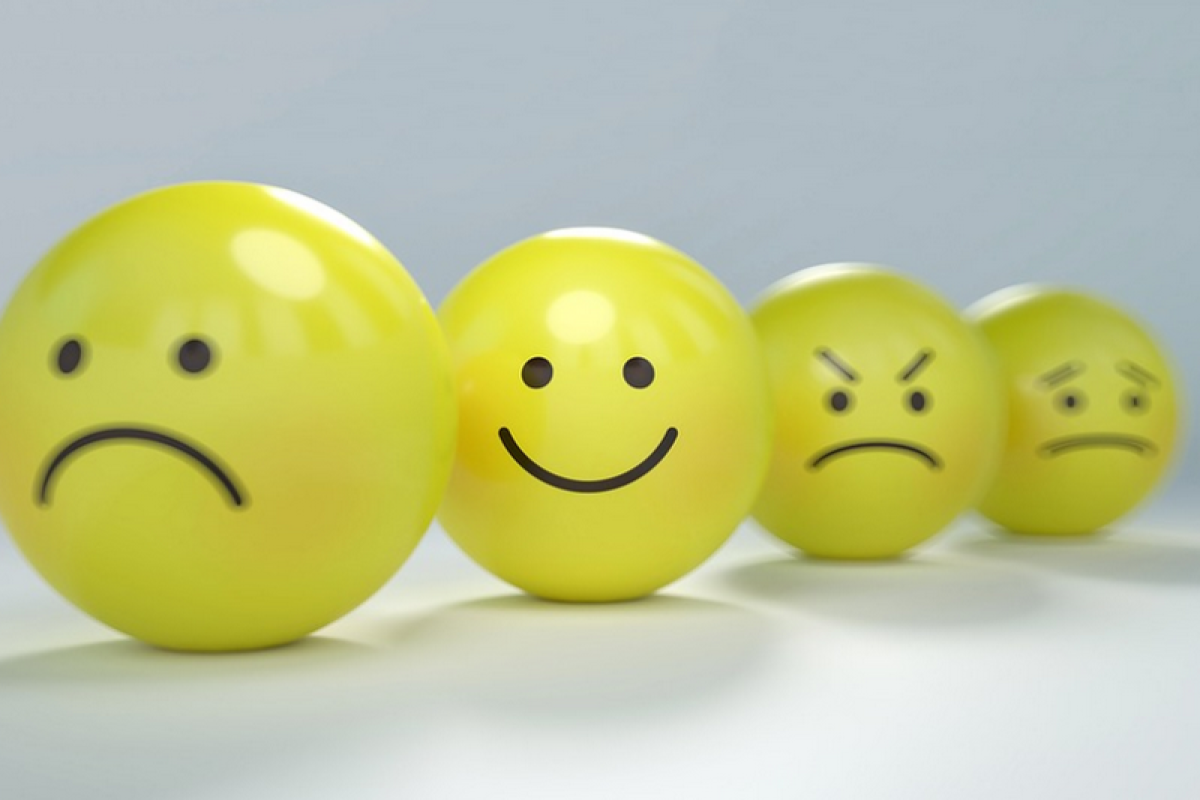
Clinical psychologist Ratih Ibrahim, M.M., said that how individuals respond to disappointment is influenced, among other things, by their ability to manage emotions. ‘People who are able to respond to disappointment in a healthier way generally can recognise what they feel, endure discomfort, and express their feelings without harming themselves or others,’ said the psychologist who graduated from the University of Indonesia when contacted by ANTARA on Thursday.
An individual’s ability to manage emotions, they said, is often influenced by childhood experiences and the conditions of the family environment. People who are taught to calm themselves when angry and given space to express their feelings safely are usually better able to regulate their emotions, and thus can respond to disappointment in a healthier way. Conversely, those who have difficulty understanding or controlling their emotions are more likely to respond to disappointment in an aggressive manner.
Ratih noted that when facing disappointment, feelings of sadness or hurt can quickly turn into anger as a form of self-protection. Anger can be chosen as an instant way to release discomfort. In addition to life experience factors, Ratih said that conditions such as prolonged stress, mental fatigue, and traumatic experiences can affect how a person reacts to pressure. ‘These factors can make a person more prone to impulsive reactions when faced with situations that trigger frustration,’ she said.
She assessed that the education system has historically placed more emphasis on obedience and instruction. Learners’ ability to engage in dialogue, understand emotions, and make decisions is often not trained. ‘In fact, the ability to think critically and to manage emotions must be trained continuously. Otherwise, a person will be more likely to react impulsively when under pressure,’ she said.
Novi stated that very intense exposure to social media can heighten impulsive emotional responses, especially if self-control is not well trained. They said that social media algorithms often push for quick and emotional responses, so people are increasingly unlikely to pause to think before reacting. ‘If one’s thinking ability is strong, a person can still delay a decision. But if not, emotions are more likely to take over,’ they said.