
Facing the Credibility Test of the Economy
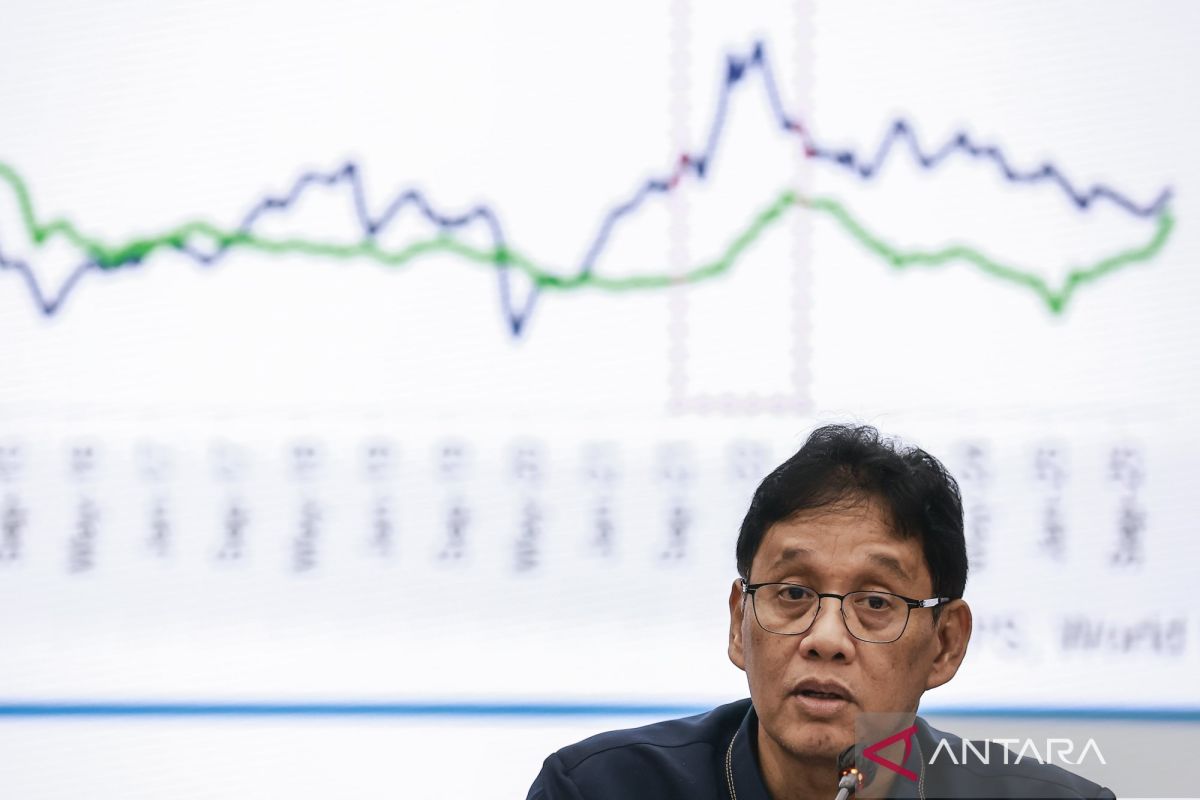
By maintaining fiscal discipline, implementing efficiency in priority spending, strengthening revenue, and carefully managing energy price risks, the government can transform this negative outlook back to stable in the coming years.
Jakarta (ANTARA) - Early 2026 marks a moment of intense pressure for the stability and credibility of the national economy. Within weeks, two important signals arrived in succession.
First, the decision by the international rating agency Fitch Ratings to downgrade Indonesia’s Credit Rating Outlook from stable to negative, announced on 4 March 2026.
Second, the Ministry of Finance report indicating that the 2026 State Budget (APBN), up to the end of February, has recorded a sharp deficit of Rp135.7 trillion. The combination of these two creates an atmosphere that seemingly tests the resilience of fiscal policy and the credibility of national economic management.
Amid these dynamics, the government still targets the 2026 APBN deficit to be around 2.68 percent of gross domestic product (GDP), still below the maximum limit of 3 percent, as mandated by the State Finance Law. However, the rating agency estimates that increasing fiscal pressures could push the deficit closer to 2.9 percent of GDP.
The simultaneous pressures from the credit outlook revision and the widening APBN deficit naturally bring complexity to the macroeconomic resilience in the government’s fiscal policy management.
On one hand, the government wants to drive economic growth through various development programmes and social protections. On the other hand, fiscal discipline must still be maintained to ensure investor confidence and macroeconomic stability are not disrupted.
Market Signals
Fitch Ratings’ decision to revise Indonesia’s outlook to negative does not mean Indonesia’s credit rating is immediately downgraded. The BBB rating is still maintained because Indonesia is assessed to have relatively strong economic fundamentals. Macroeconomic stability, a moderate government debt ratio, and adequate external resilience are factors supporting that rating.
The change in outlook to negative signals that there are risks to be wary of in the medium term. Increasing policy uncertainty and the consistency of the economic policy mix could affect Indonesia’s fiscal prospects going forward.
Other factors highlighted include the potential increase in government social spending and the still limited capacity to mobilise state revenues.
Broadly speaking, Fitch outlines their concerns along three main axes.
First, signals that the government plans to review the State Finance Law, which for years has been a sturdy fence to maintain a maximum deficit discipline of 3 percent of GDP. A revision of this regulation, if not designed with precision, could be seen by the market as a loosening of the fiscal framework that instead erodes confidence.