
Facing Fuel Oil Crisis, Bahlil Prepares New Energy Conservation Policies
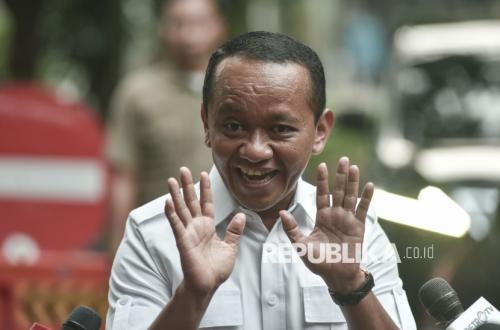
Jakarta — Energy and Mineral Resources Minister Bahlil Lahadalia stated that the government is examining several measures to reduce fuel oil (BBM) consumption, including the possibility of implementing work-from-home (WFH) arrangements. According to Bahlil, whilst the proposal remains under review, implementing such measures remains possible.
“There are several steps that will be taken, but they are still under examination, including whether we need WFH. However, in my view, all possibilities can occur. The important thing is fuel conservation,” he said at the Energy and Mineral Resources Ministry office in Jakarta on Tuesday, 17 March 2026.
Nevertheless, Bahlil assured that the availability of national energy resources, including fuel oil, liquified petroleum gas (LPG), and coal for power generation, remains secure until the Eid 2026 holiday period, despite potential energy crises stemming from Middle East conflicts. He stressed that national energy reserves remain within safe limits according to minimum national standards.
“The availability of fuel oil, LPG, and electricity for Indonesia is all under control. LPG will receive additional supplies by the end of this month, so there will be no issues with public needs approaching the Eid celebration. Coal for the state electricity company (PLN) averages 14-15 days, in line with the minimum threshold of national standards,” he said.
Bahlil also confirmed that the government will maintain fuel oil subsidies, at least through the completion of the 2026 Eid holiday period. Regarding energy availability after Eid, he stated that the government will continue evaluation following March.
“What is important is that we can conduct good planning, both in the short, medium, and long term. We have already prepared strategies after March. The main thing is ensuring stock is always available to prevent shortages,” Bahlil added.
He noted that Indonesia has received some positive developments from the opening and closing policy at the Strait of Hormuz. The policy allows vessels from countries other than Israel and the United States to resume operations, which is viewed as a positive development for energy supply stability.
Earlier, during a cabinet meeting at the State Palace in Jakarta on Friday, 13 March 2026, President Prabowo Subianto urged measures to reduce fuel consumption and considered work-from-home policies as a precaution against the impacts of global crises.
“I want this discussed by the coordinating ministers. Let us see these next few days and think about it. During COVID-19, we succeeded; many people worked from home, achieved efficiency, and saved a large quantity of fuel,” Prabowo said.
Several other countries have also implemented energy conservation policies in response to global uncertainty.
Thailand, for example, has requested civil servants to work from home to reduce electricity and fuel consumption, limit lift and escalator usage, and set air-conditioning temperatures between 26-27 degrees Celsius.
The Philippines has introduced a four-day working week system in the public sector, whilst Pakistan is preparing energy conservation plans through distance learning and work-from-home arrangements.