
Facing Drought Threats, JIAT to be Built in National Food Granaries
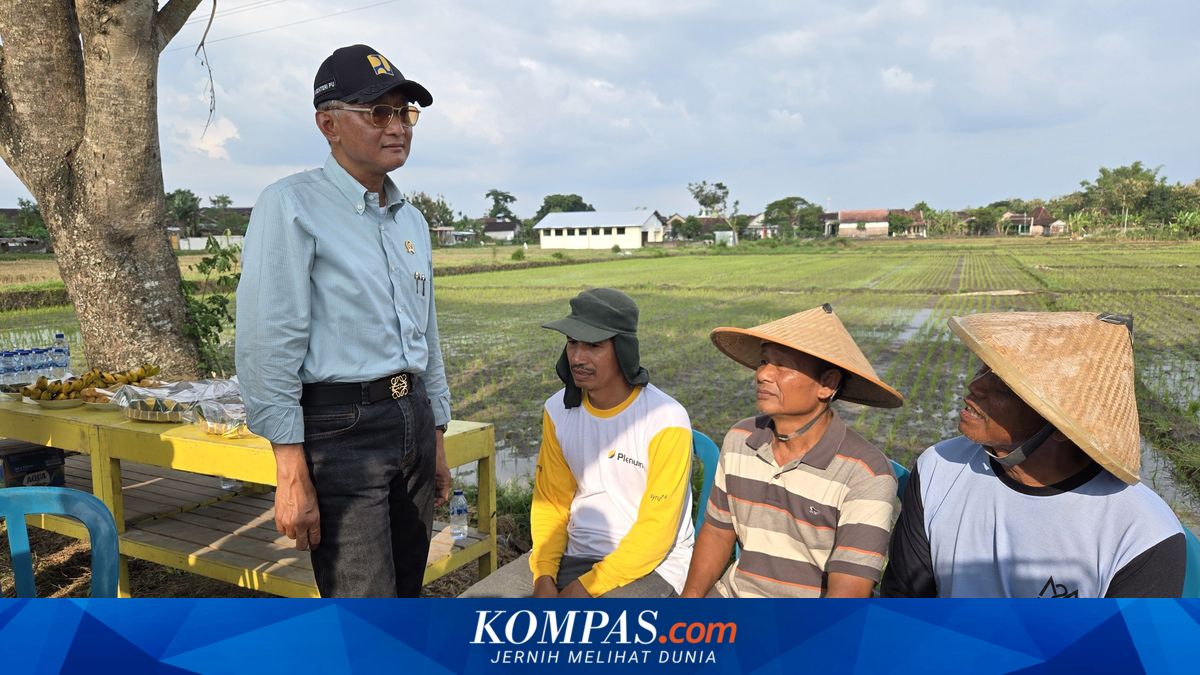
JAKARTA, KOMPAS.com - The threat of a global food crisis triggered by geopolitical instability and extreme climate anomalies poses a significant challenge for Indonesia. In response to this urgency, the Ministry of Public Works (PU) is massively accelerating irrigation infrastructure to ensure the resilience of the agricultural sector. The current primary focus is on optimising water sovereignty as an absolute prerequisite for achieving full food self-sufficiency targeted for realisation by 2026. The Minister of Public Works (PU), Dody Hanggodo, emphasised that water is a determining factor in national food security. “Food sovereignty is the number one priority. Today’s geopolitical events are causing food prices to soar. If we can achieve self-sufficiency, the needs of the community will remain met regardless of global shocks out there,” said Dody, during an inspection of the Groundwater Irrigation Network (JIAT) infrastructure in Boyolali, Central Java, on Sunday (29/3/2026). One strategic step taken by the Ministry of PU is the construction of the Groundwater Irrigation Network (JIAT). This programme is designed to intervene in agricultural lands that have previously relied solely on rainfall (rain-fed), thus only capable of producing once a year. By utilising deep wells that explore aquifers at depths of up to 120 metres, JIAT can provide a stable water discharge of 12 to 20 litres per second. Technically, one JIAT point can serve irrigation for up to 20 hectares of land. It is planned that JIAT will be built in food granaries such as West Java, Central Java, East Java, and outside Java. “We must use groundwater sparingly. The use of tertiary irrigation ensures that water is delivered precisely to farmers’ fields, preventing water loss due to evaporation or uncontrolled absorption,” he added. In addition to measured groundwater exploitation, another major challenge lies in the sustainability of existing water resource infrastructure functions. As they age, many dam, weir, pond, and reservoir infrastructures experience a decline in storage capacity due to massive sedimentation rates in upstream areas. Such as the Boyo Weir in Boyolali, and the Wonogiri Dam as well as the Kedungombo Reservoir.