
F-PKS DPR Praises Prabowo for Outlining Macro-Economic Framework and Fiscal Policy
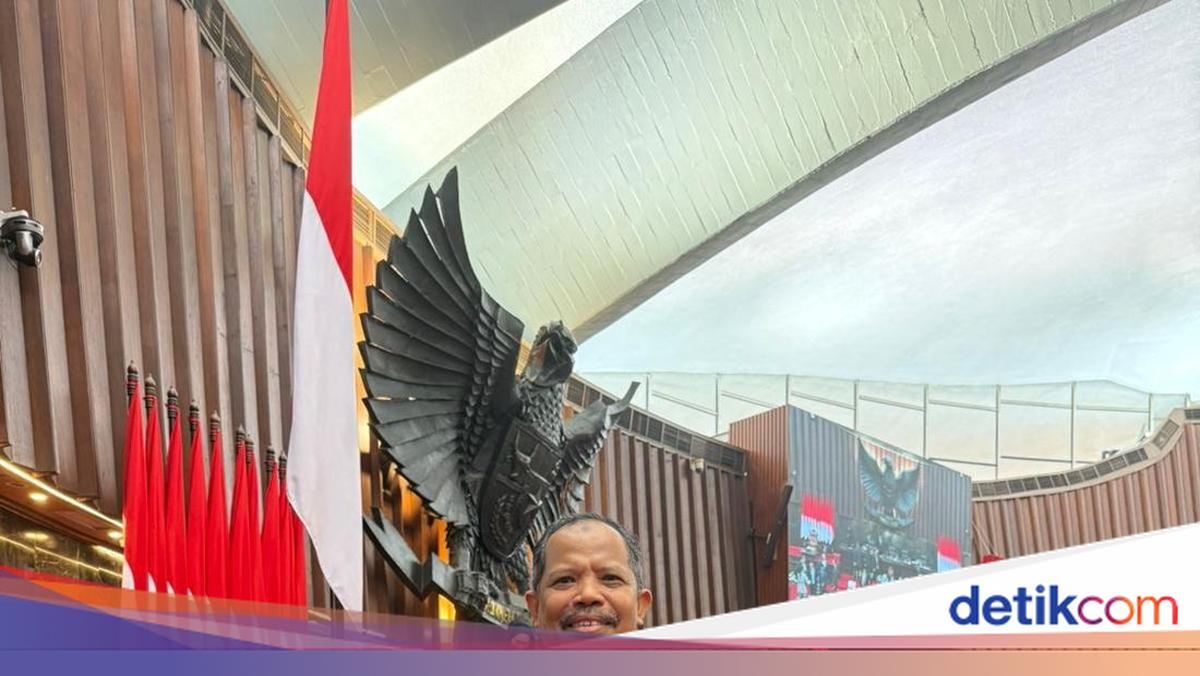
This sends a political signal that the government intends to make the direction of fiscal policy a national strategic agenda, not merely an annual technocratic programme. The President’s direct involvement demonstrates that the challenges of the global economy ahead require strong political leadership,” Johan said in a written statement on Wednesday, 20 May 2026.
Johan assessed that the government is seeking to keep the State Budget (APBN) healthy, credible, and sustainable amid dynamic global pressures. This is evident from the 2027 deficit target kept in the range of 1.8 to 2.4 percent of GDP, and efforts to maintain macroeconomic stability.
However, a member of Commission IV of the Indonesian House of Representatives reminded that the DPR would examine whether the ambitious macro targets are truly supported by strengthening the real sector and the people’s economy.
“The most important thing is not only high economic growth, but how the people genuinely benefit. Do not let the APBN appear strong on paper, while farmers, fishermen, SMEs, and the poor still face issues of prices, distribution, production costs, and market access,” he said.
In the government’s briefing, the 2027 GDP growth target is in the range of 5.8-6.5 percent with inflation of 1.5-3.5 percent. The government also aims to reduce poverty to 6.0-6.5 percent and to raise the Farmers’ Welfare Index to 0.8038.
According to Johan, the target to improve farmers’ welfare is a good direction but must be followed by real fiscal bias toward the agriculture and national production sectors.
“The 2027 APBN must be an instrument of national economic sovereignty. The agriculture, energy, national industry sectors, and job creation must be priorities so that Indonesia does not remain dependent on imports and is better prepared to face geopolitical pressures,” he concluded. (prf/ega)