
Extremely high radiation detected in Fukushima Daiichi nuclear reactor
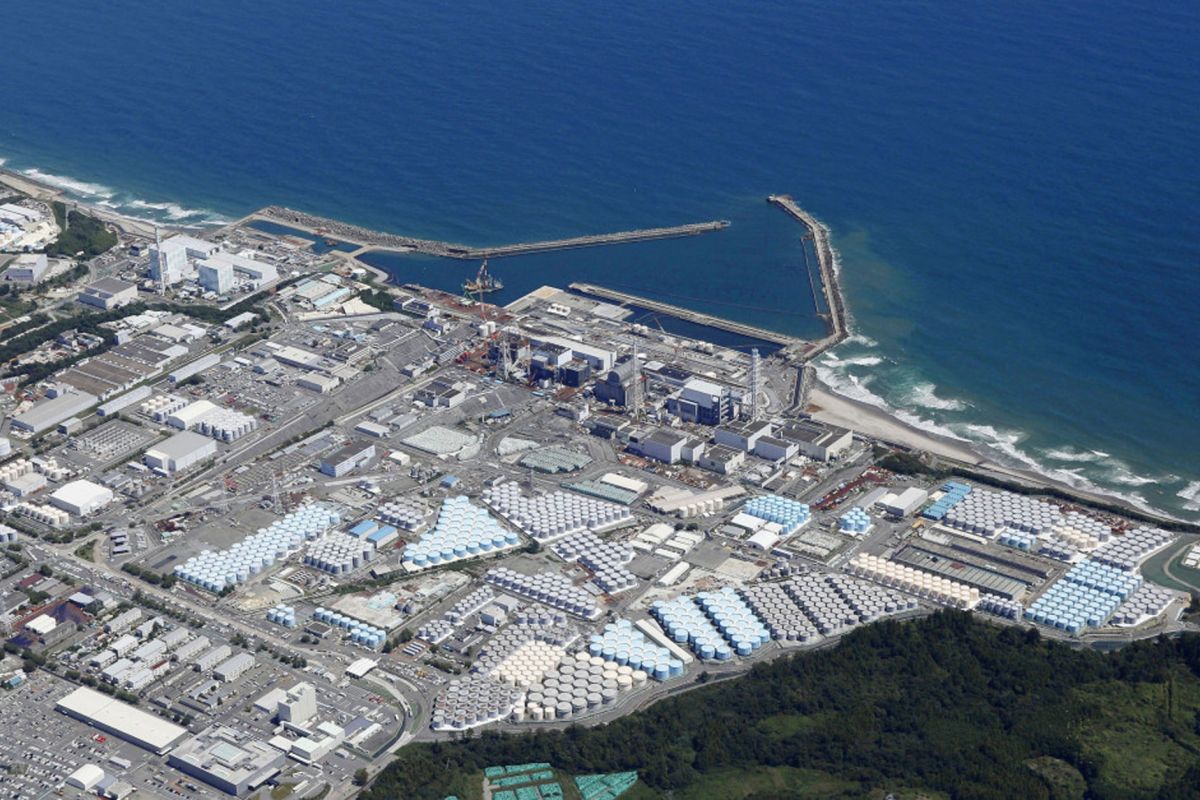
Tokyo (ANTARA) - “Extremely high” radiation levels have been detected inside Reactor No. 2 at the damaged Fukushima Daiichi Nuclear Power Plant, according to investigation results published by Tokyo Electric Power Company Holdings (TEPCO), the plant’s operator, on Thursday.
This incident marks the first time since the 2011 nuclear accident at the Fukushima Daiichi Nuclear Power Plant that TEPCO has successfully measured radiation levels inside a reactor that experienced a core meltdown.
According to public broadcaster NHK, the investigation was carried out on 16 April. A fiberscope equipped with a measuring instrument was inserted into the reactor through a pipe. At a point around 5 metres above the reactor base, the radiation level measured approximately 4.7 sievert per hour, classified as “extremely high”.
TEPCO stated that these findings indicate the presence of a significant amount of nuclear debris still remaining inside Reactor No. 2. The company will further analyse the data and study methods to remove it.
Reactors No. 1 to No. 3 at the Fukushima Daiichi Nuclear Power Plant all experienced core meltdowns after the facility with six reactors was shaken by a 9.0-magnitude earthquake in 2011, followed by a tsunami, leaving around 880 tonnes of nuclear debris.
These highly radioactive materials pose significant risks, and their removal is widely regarded as one of the greatest challenges in the decommissioning process of the nuclear power plant.