
Extreme Heat Waves Hit Indonesian Regions, MPR Deputy Emphasises Need for Climate Policy
The BMKG released data on the highest air temperatures in Indonesia on 18 March. Jakarta topped the list with a temperature of 35.6 degrees Celsius, followed by Ciputat at 35.5 degrees Celsius and Tangerang at 35.4 degrees Celsius.
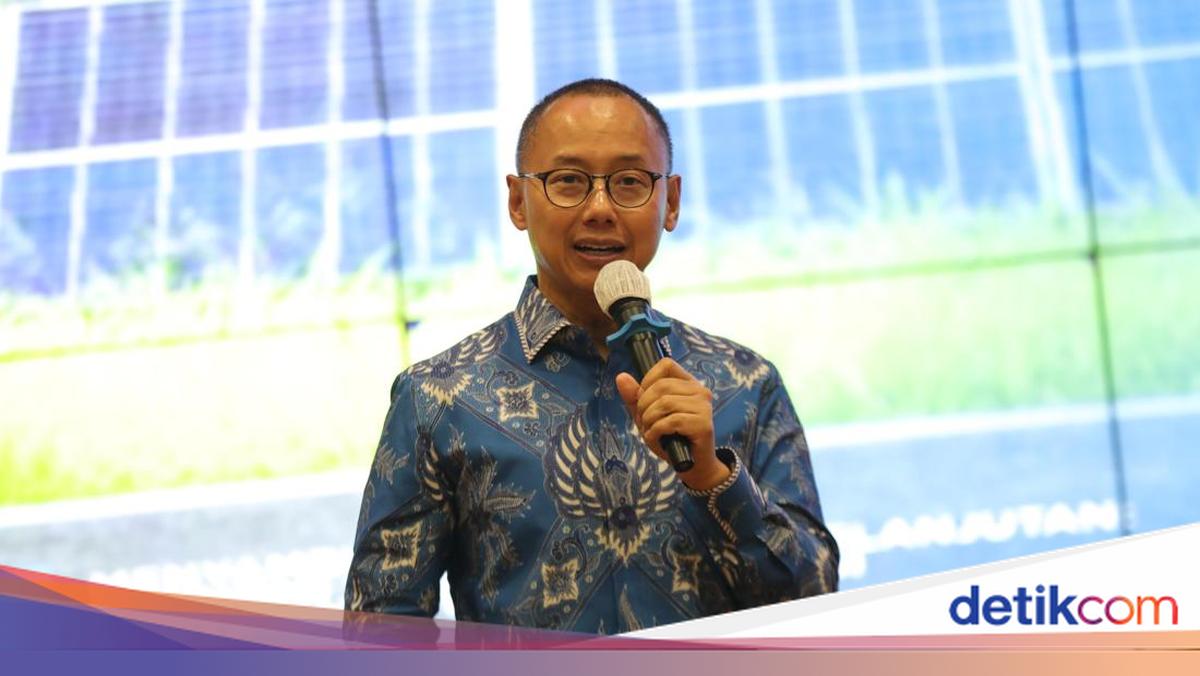
In response to the extreme heat phenomenon, Deputy Chairman of the MPR RI from the National Mandate Party (PAN) Faction, Eddy Soeparno, emphasised the need for responsive policies and actions to address the worrying phase of the climate condition.
“Five years after Covid-19, I have called for the importance of handling climate issues that cause rising earth temperatures due to carbon emissions, surges in pollution, and high rates of deforestation,” said Eddy in his statement on Monday (23/3/2026).
“Even today, I no longer want to refer to this condition as climate change, but it is fitting to call it a climate crisis. Unprecedented temperature rises, increases in air pollution, slow reforestation programmes that lag behind deforestation rates, are among the climate problems we are facing,” he added.
Furthermore, Eddy stressed the importance of political commitment and the implementation of various mitigation, adaptation, and education programmes in climate management, so that all elements of society participate in addressing the current climate problems.
“Strong political support has been shown by President Prabowo, as conveyed in various domestic and international forums. It is fitting that all government and non-government elements work together to accelerate climate action, because the climate crisis knows no tribe, race, gender, age, or other backgrounds,” he explained.
This UI Political Science Doctor emphasised that ‘climate action’ both downstream and upstream must run in tandem and harmony.
“Providing education to the public about the importance of waste management, tree planting, and the use of electric public transport, for example, will be far more economical than bearing the costs of reconstruction due to natural disasters caused by forest degradation,” he stated.
In relation to this, the PAN Deputy Chairman encouraged discussions on legislation regarding climate management, which serves as a ‘guideline’ for handling the climate crisis, so that Indonesia’s climate action programmes are supported by strong legal products.
“We already have the Climate Change Management Bill that has entered the 2026 priority national legislative programme (Prolegnas). I hope we can discuss and pass it soon because handling the climate crisis will not be effective without strong legislation,” explained Eddy.
“After all, this legislation will save Indonesia from future natural disasters, because the climate crisis is truly a civilisational crisis,” concluded this Member of Commission XII of the DPR RI.