
Extortion Remains a Problem in the Implementation of Indonesia Pintar Programme
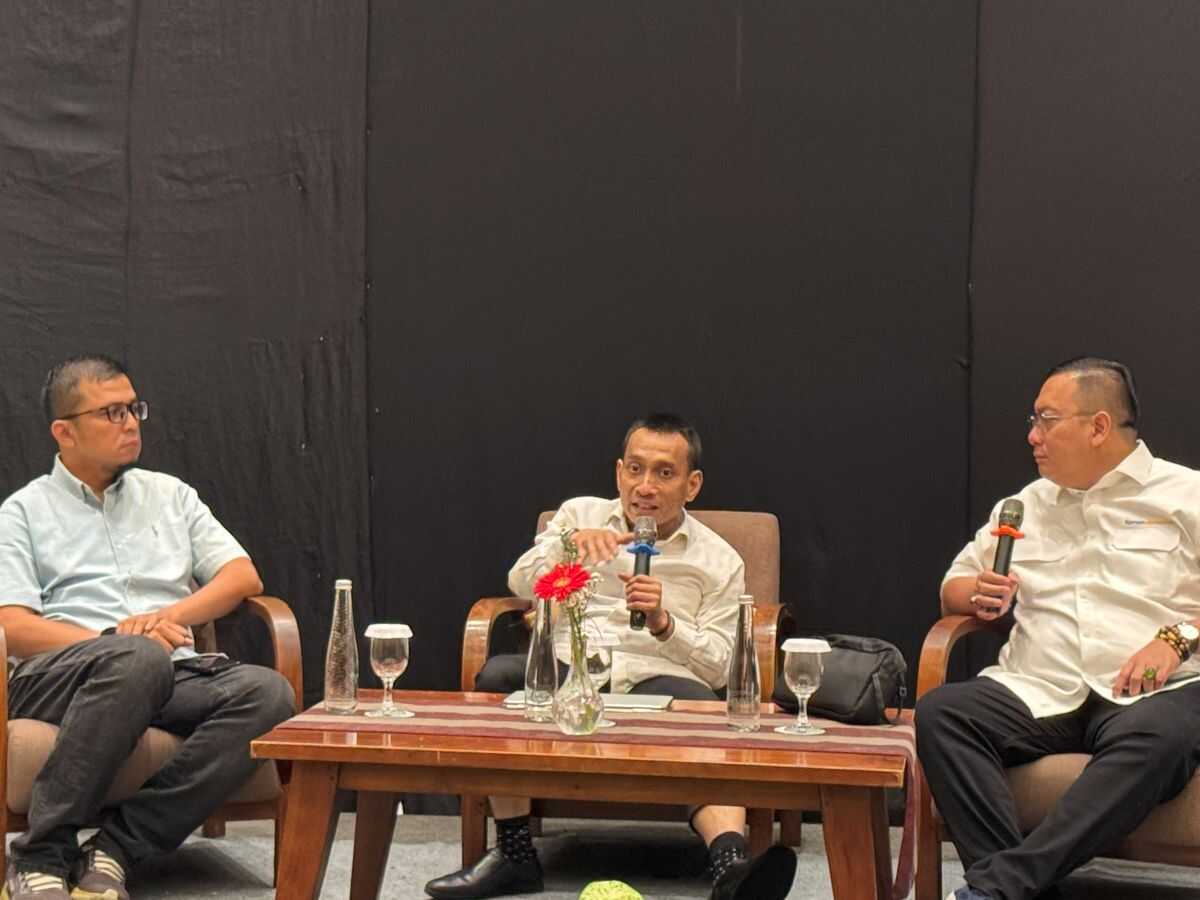
The Head of the Education Financing Service Centre at the Ministry of Primary and Secondary Education (Kemendikdasmen), Adhika Ganendra, has stated that numerous issues persist in the implementation of the Indonesia Pintar Programme (PIP), including extortion by unscrupulous individuals.
Unfortunately, when victims are offered assistance in reporting such incidents to law enforcement, they often refuse because they do not wish to create additional problems. “When we discover that a child has been extorted by an official, we approach them because there is a complaint offence. We encourage an secondary school student to report to the police. But instead they say not to bother and it’s fine. So for them this doctrine comes from parents to children—do not create problems. Your parents are already unable to afford things. So do not cause trouble at school. This happens frequently. So for them reporting to authorities because their rights have been taken away creates more problems. So my money was taken by that person, that’s fate, and if I report to the police it creates more problems,” he stated at a Policy Dialogue between Kemendikdasmen and the Media in Tangerang on Sunday (1 March).
Furthermore, according to Adhika, extortion related to PIP continues to occur and cannot be denied. He contends that this situation should not be allowed to persist. “So I think this is not deduction, but theft,” he emphasised.
Another issue is that many PIP recipients are unaware that they have been nominated as recipients, resulting in PIP funds having to be returned to state coffers. “So schools only identify impoverished individuals. This basis is then used as data for PIP applications. Those who nominate are divided between regional governments, the parliament and others. This is because of quota issues. If submitted by schools it would exceed the quota. So there should be those who are closest to recipients. So the authority to nominate is there,” Adhika explained.
To address this, he proposed that in future there should be penalties for schools if such cases occur. “I am still seeking ways for schools to be accountable to poor students. So there must be punishment for schools. In this way there will be attention for poor children. Because if something happens to these poor children there is no one willing to take responsibility,” he concluded.