
Exposing the Rice Mafia: A Common Enemy
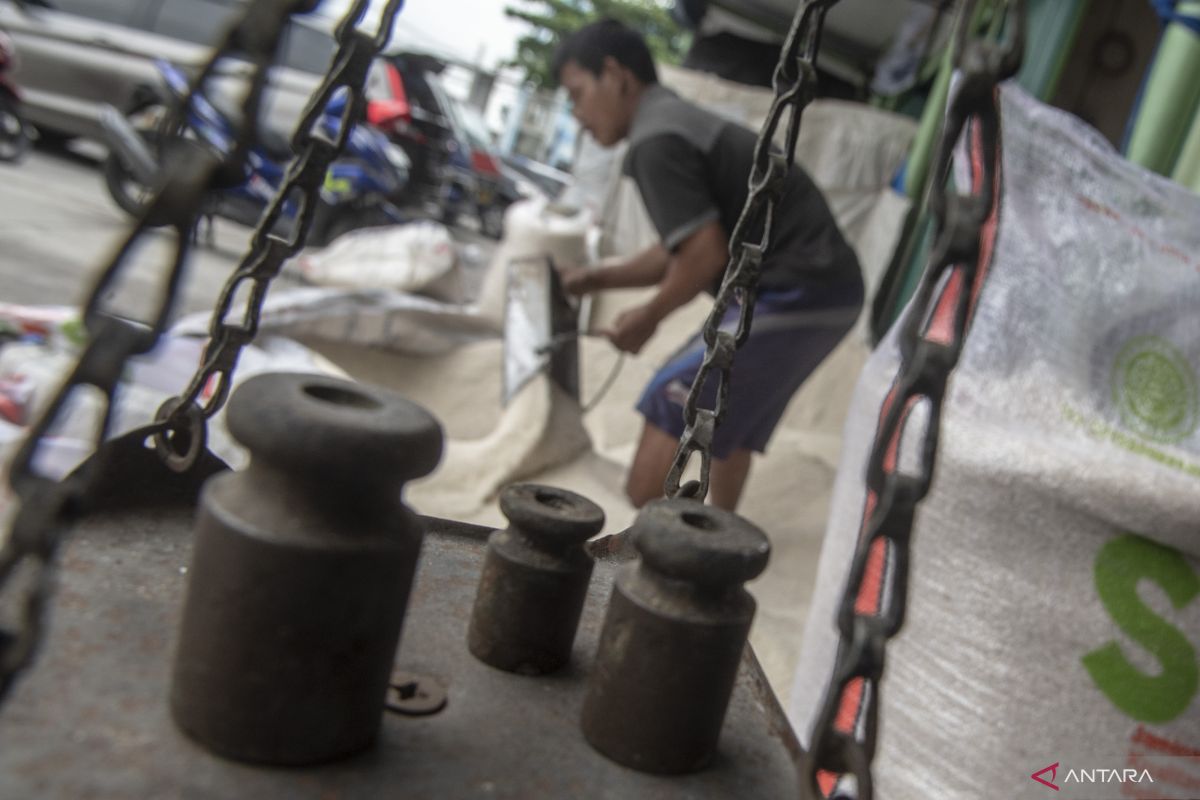
Jakarta (ANTARA) – Rice mafia is often perceived merely as a food trade issue. However, its impact extends far beyond market price fluctuations. When supply manipulation, blending, hoarding, and price manipulation occur systematically, the stakes are not just consumer interests but also national food security, farmer welfare, and public trust in the food distribution system. Therefore, the rice mafia issue deserves to be viewed as a serious threat requiring collective attention. Recently, the rice mafia issue resurfaced after Agriculture Minister Andi Amran Sulaiman revealed ongoing fraudulent practices in the national rice sector. The practices include not only the blending of subsidized rice but also suspected supply and price manipulation indicative of cartel behaviour. According to the Agriculture Minister, there have been threats and intimidation against those who dare to expose these practices. However, despite the pressures, the government has pledged to continue combating fraud that harms the public and threatens national food security. The term ‘rice mafia’ refers to unhealthy, non-transparent, and exploitative rice trading practices. These activities involve various parties, from traders and entrepreneurs to officials with decision-making access. What complicates the issue is its impact across the entire food supply chain, from farmers as producers to the general public as end consumers. For the public, the most immediate effect is unjustified rice price hikes. As the staple food for most Indonesians, when rice prices surge due to market manipulation, purchasing power naturally erodes. Low-income groups are most vulnerable, as a large portion of household expenditure is allocated to food needs. Unjustified price increases, not driven by legitimate production or distribution factors, ultimately create unnecessary economic pressures. Beyond prices, another issue is rice shortages in the market. When supply is deliberately controlled or withheld for profit, the public struggles to access affordable rice. In the long term, such conditions could lead to food supply uncertainty and disrupt national economic stability.