
Export Authority and the Temptation of Trade Centralisation
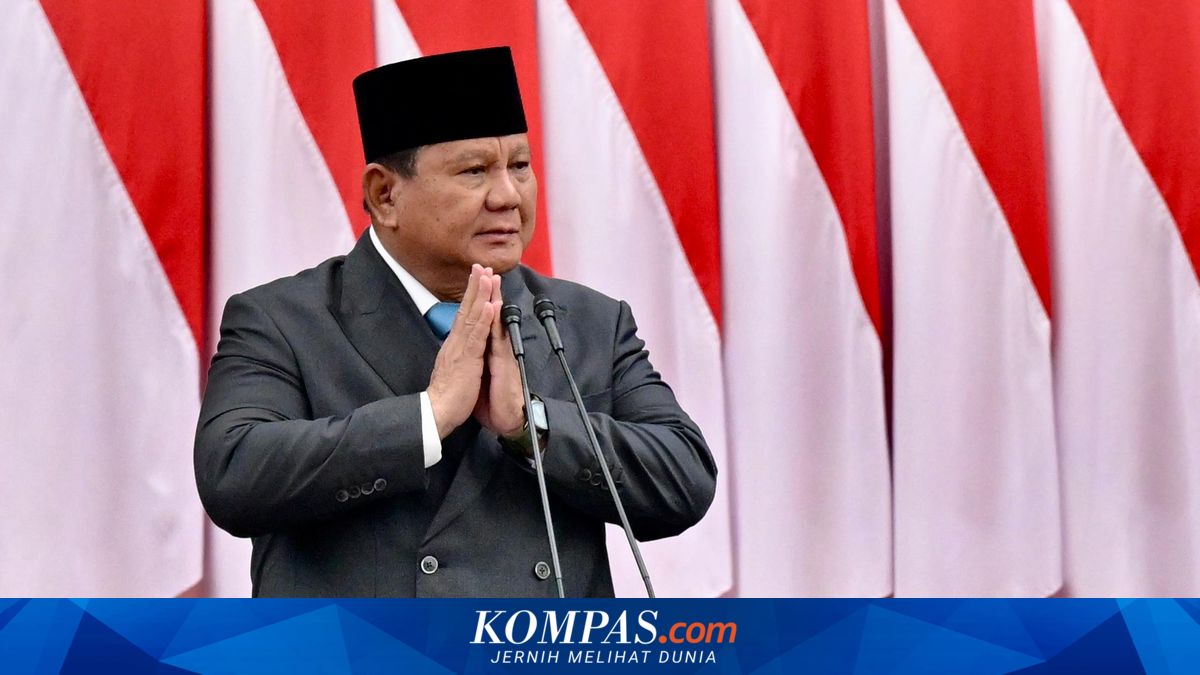
President Prabowo Subianto has again made a bold move, this time in his opening remarks to the Macro-Economic Framework and Core Policies of Fiscal Policy (KEM PPKF) for the 2027 RAPBN at the plenary session of the Indonesian House of Representatives (DPR RI). In his address, the government signalled the need to form an agency that would become a new instrument for governing the trade of natural-resource commodities (SDA). The legal basis is said to be set out in a Government Regulation on Export Commodity Governance. Under this scheme, producers or exporters would no longer sell directly to global buyers, but rather to this agency before exporting to international markets. The official narrative from the President on the podium was clear: he appeared frustrated that exports of natural-resource commodities mined from Indonesia’s land have long suffered leaks. Given the increasing need for development financing and external stability pressures, this logic can be understood. The country seeks greater control over foreign exchange flows and the trade in SDA, which has been deemed too lax. Admittedly, at a first glance, President Prabowo seems to have good intentions to improve the governance of SDA that he believes has long suffered leaks. But as with many other economic policies, the important question is not only about intention but about institutional design and the market consequences created. The practice of under-invoicing is indeed a serious issue. In this practice, export prices are reported as lower than the actual price, resulting in some profits being parked overseas. The impacts are not small: the state loses potential taxes and royalties; foreign exchange does not flow efficiently into the domestic financial system; and authorities struggle to read the real national trade value. From a fiscal and macroeconomic stability perspective, the government has strong reasons to tighten oversight. Unfortunately, the rules appear to have been drafted in haste. Based on the President’s briefing, the agency is to begin operating effectively from September 2026. It would also be important to obtain a second opinion from exporters and academics regarding the policy’s implementation.