
Experts Say Tambora Redevelopment Must Be Humane and Preserve Residents' Economy
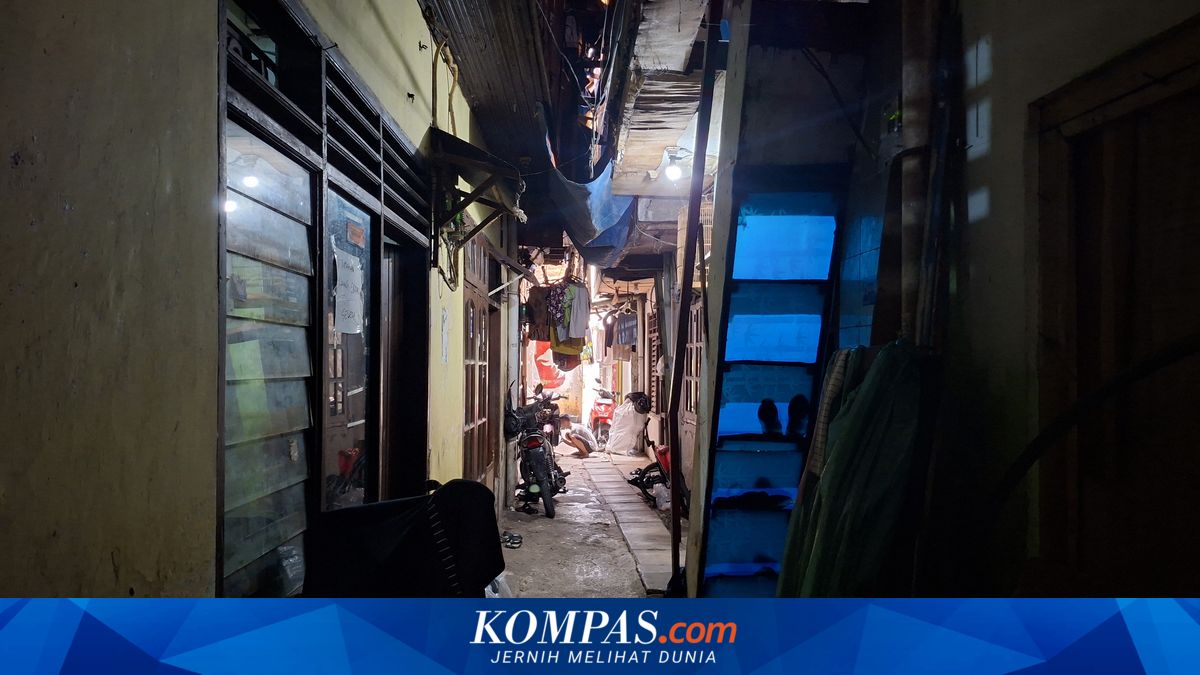
Efforts to redevelop slum settlements in Tambora sub-district, West Jakarta, remain a major challenge for the DKI Jakarta Provincial Government. Amid the deep-rooted social issues in the area, experts and local authorities agree that redevelopment must no longer involve forced evictions of residents. As the most densely populated region in Southeast Asia, the problems in Tambora are not merely about building layouts but also the economic pressures faced by the community. Therefore, an approach prioritising improvements in residents’ economic capabilities and the provision of Green Open Spaces (RTH) is seen as the most realistic middle path. Urban planning expert from the University of Indonesia (UI), Muh Azis Muslim, stresses that the government must avoid repressive methods such as forced evictions that occurred in the 1990s era. Redevelopment must be more humane. According to Azis, slum redevelopment must ensure that residents retain their economic capabilities and do not lose their livelihoods. “The government can learn from successful development records in other areas. For example, look at the redevelopment of Kampung Susun Akuarium or Kampung Anak Kali Ciliwung. Redevelopment was carried out so that they did not lose their livelihoods, and it could be resolved by ensuring their rights are still obtained,” he said. In the redevelopment of Kampung Susun Akuarium, for instance, the slum settlement area was transformed into vertical housing in the form of apartment blocks. However, Azis emphasises that the most important aspect in the process is ensuring residents do not lose their ability to earn a living, both during the construction process, relocation, and after relocation. In line with Azis, Tambora’s sub-district head, Pangestu Aji, also supports redevelopment carried out gradually and humanely. He says he will reject any government-proposed solutions that only involve enforcement or forced evictions of residents. According to Pangestu, around 40 percent or more of Tambora’s residents are in the lower to middle economic class, so their economic capabilities need to be preserved. “So it’s already hard to think about what’s good, the important thing is to think about how today, tomorrow, and the future are a bit difficult, how about today, it’s hard just to eat and live, let alone think about other things,” said Pangestu.