
Experts Criticise Public Works Minister's Claim of Abundant Asbuton Reserves: Not Yet Verified
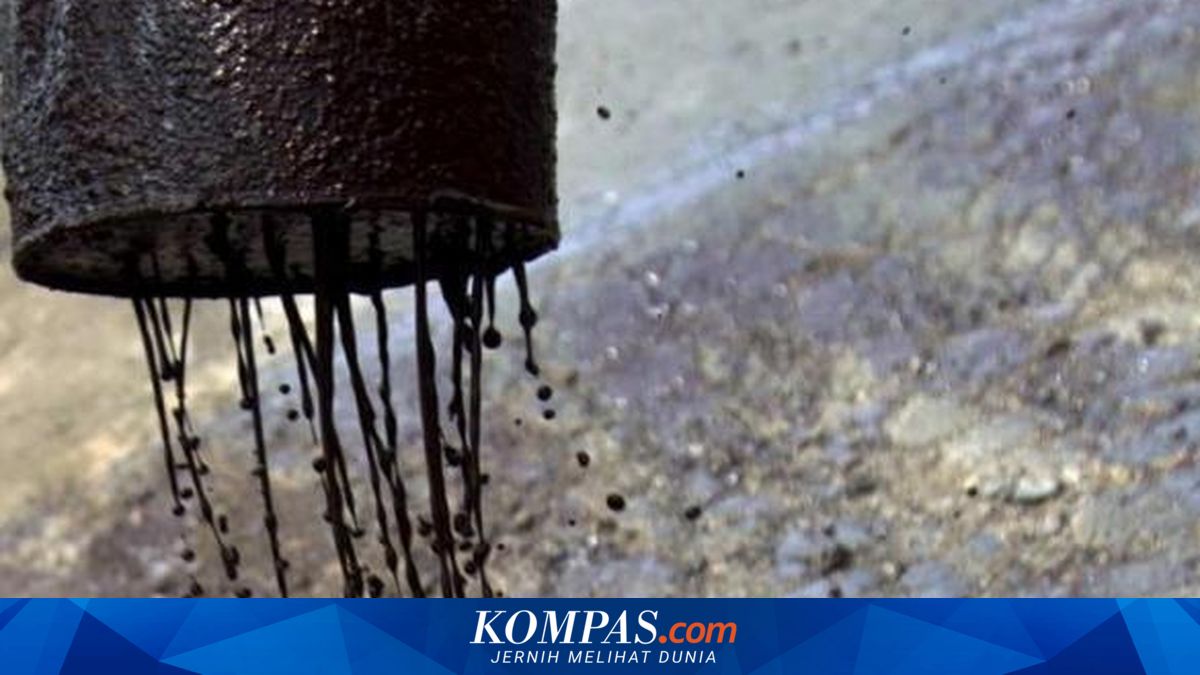
The government’s ambition to achieve national asphalt self-sufficiency through the optimisation of Aspal Buton (Asbuton) is once again confronted by technical realities and ambiguous field data. Despite Public Works Minister Dody Hanggodo citing a large deposit of 649 million tonnes of Asbuton in various national forums, experts warn that these figures are based on assumptions rather than confirmed exploration facts. Road and Asphalt Pavement Expert, also a former Director of Technical Development at the Directorate General of Highway Development in the Ministry of Public Works, Purnomo, has provided critical notes on the current narrative. One central issue sparking doubt is the claim of reserves amounting to 649 million tonnes. Purnomo emphasised that this figure still holds the status of an estimate. In the mining industry, this status indicates a low level of confidence due to the absence of confirmation through in-depth exploration. “The deposit estimate is suspected but not confirmed. The data has not undergone adequate confirmation processes through comprehensive exploration,” Purnomo told Kompas.com on Monday (6/4/2026). Since the reform era, the division of mining areas by local governments has been deemed ineffective. Potential lands have been fragmented into small permits held by many parties, yet almost none have conducted serious exploration activities to verify the quality and quantity of reserves. Technically, Asbuton has characteristics that differ greatly from liquid petroleum asphalt produced by earth refining. The asphalt content in Buton deposits is trapped within limestone rock structures. This creates significant challenges in the extraction process and its application in road pavements. Purnomo likened this condition to asphalt that is difficult to access in performing its function as a binder for rocks. “Asphalt’s function is to bind rock mixtures. However, in Asbuton, it ‘hides’ in the shells of limestone rocks,” he explained.