
Experts Believe Indonesia Can Control Global Carbon Trade, Here Are the Conditions
Indonesia possesses one of the world’s largest tropical rainforests, making it the owner of ‘lungs’ that determine the Earth’s breath. This strategic position should make Indonesia the holder of an ‘ace card’ in global carbon trading governance.
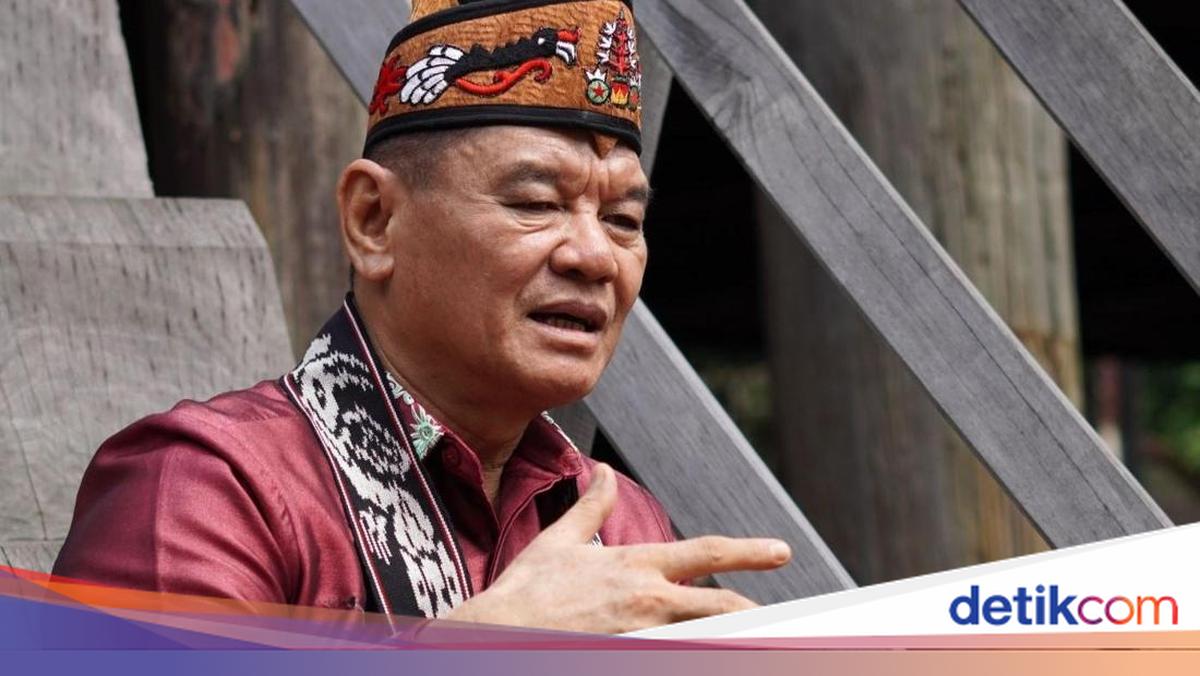
However, the massive economic potential from the carbon trading sector has not been optimally exploited. A forestry and environmental science expert from Palangka Raya University (UPR), Ir. Aswin Usup M.Sc Ph.D, assesses that the ‘playing table’ is still dominated by industrial countries that no longer have forests.
“Without standard rules of the game, Indonesia will only be a spectator on its own land,” Aswin stated in a written release on Tuesday (14/4/2026).
Regulatory Vacuum = Ineffectiveness Gap
Although it has been running for over a decade, Aswin continued, carbon trading remains in a grey area to this day. There is no binding regulatory standard that obliges all related parties, making oversight of carbon commitments and fund usage less effective.
In the field, according to Aswin, the absence of firm and clear rules causes carbon revenue funds to often evaporate at the bureaucratic or corporate level. Meanwhile, real problems right in front of us, such as preventing forest fires and peatland degradation, remain untouched.
“We have carbon compensation, but who monitors whether those funds are truly used to restore forests? Currently, oversight is still weak because the rules of the game are not yet standardised,” revealed the doctorate holder from Hokkaido University, Japan.
Indonesia’s Bargaining Power
Indonesia has very high bargaining power in global carbon trading governance. The expanse of tropical rainforests spread across Sumatra, Kalimantan, Sulawesi to Papua is a strategic asset.
That is why the world relies on Indonesia’s success in preserving its natural forests. To keep carbon emissions stored in the soil, not released into the atmosphere due to fires.
“To remain healthy, the world needs us as ‘lungs’. But if we don’t have strong rules, we have no control over the price and utilisation of our own assets,” Aswin said.
Filling the Vacuum
In his view, Aswin encourages the Indonesian Government to proactively fill this regulatory vacuum. Most importantly, to set a fair and reasonable price to finance reforestation programmes, forest fire mitigation, and economic empowerment of communities around forests.
“Set a fair price. Don’t let our ‘world’s lungs’ be undervalued by the global market,” Aswin emphasised.
There are three priority roles that the government must immediately take. First, standardising oversight through a transparent audit system to ensure carbon funds are used for restoration activities, including peatland rewetting as he researched in his 2021 scientific journal.
Second, transparency of fund flows down to the grassroots level. Carbon funds must be prioritised for strengthening Fire Care Communities (MPA) in remote villages.
“The spearhead of carbon guardians is the village residents. They are the first to extinguish peatland fires so that carbon is not released,” he stressed.
Third, periodic ecological audits. Every carbon commitment claim must be proven with field data, not just administrative reports. The government must ensure that companies or institutions involved in carbon trading genuinely carry out physical forest restoration, not just administrative reports.
Preventing the ‘Carbon Time Bomb’
In his journal, ‘Peatland Fire Weather Conditions in Central Kalimantan’ (2023), Aswin explains how peatland fires are the beginning of a more serious disaster, namely the release of stored carbon in peat into the air, worsening the greenhouse effect.
Therefore, effective carbon trading should be able to prevent that ‘time bomb’ from exploding. And before reaching an effective management stage, its governance must be fair for countries owning the ‘world’s lungs’.
“Because this is also an issue of our environmental sovereignty, don’t let others regulate it for us,” concluded Aswin, who is also the Chairman of the National Dayak Scholars Association (ICDN) of Central Kalimantan.