
Experts believe digital child protection law helps build children's character
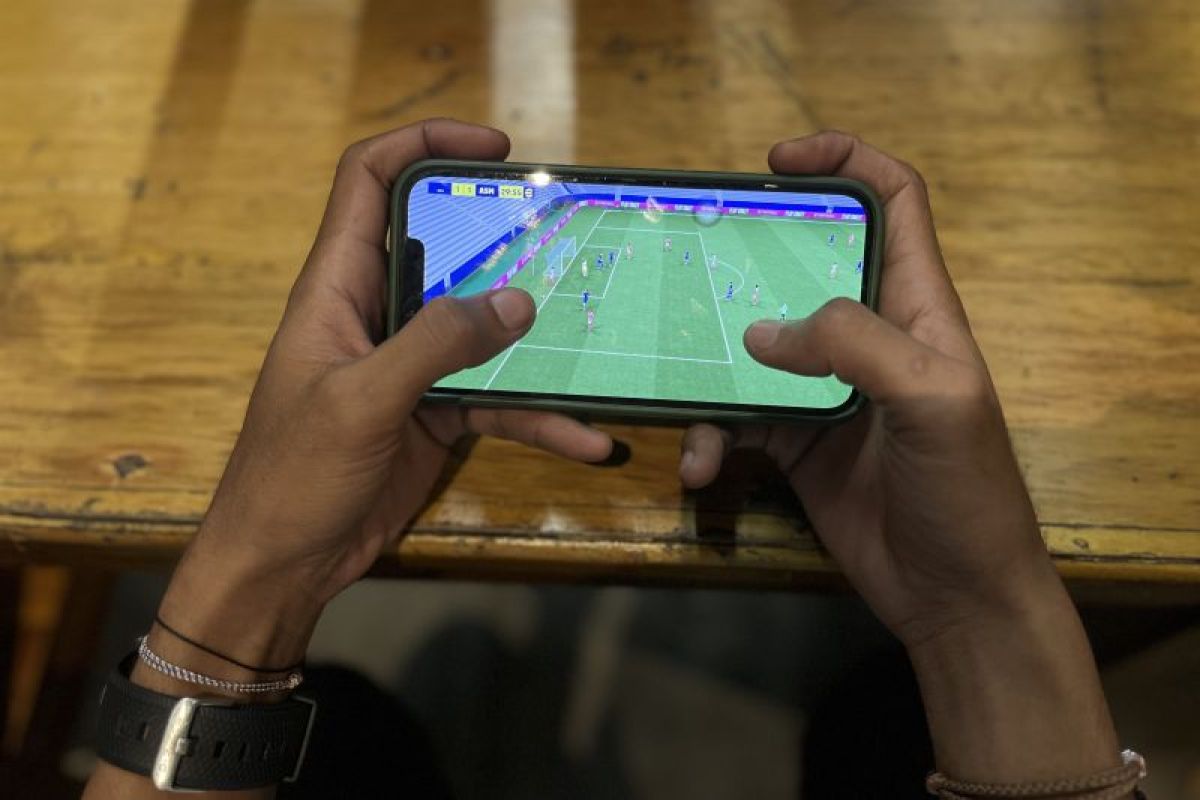
The state is beginning to position child protection as an important part of the electronic system.
Ambon (ANTARA) -
A child protection expert in Maluku views the implementation of the Child Protection Law in the digital realm as an important step in forming the character of the younger generation while also protecting children from various risks in the digital space.
“What is happening today is not a sudden policy, but the result of a long process. The state is starting to place child protection as an important part of the electronic system,” said R. Jemmy Talakua, Child Protection Expert in Maluku and Programme Coordinator for INKLUSI at the Rumah Generasi Maluku Foundation, in Ambon on Saturday.
He stated that the policy, which began to be implemented on 28 March 2026, is part of a series of regulations that the state has gradually prepared over the past few years.
According to Jemmy, the implementation through Ministerial Regulation on Communication and Digital Affairs No. 9 of 2026 is starting to have a direct impact on society, such as restricting access for children under 16 to social media and risky platforms.
“The goal is clear: to reduce exposure to negative content such as pornography, prevent cyberbullying, and reduce the risk of digital addiction in children,” he explained.
“Child protection cannot be simplified to just access restrictions. The main challenge is actually how families build relationships, values, and children’s character amid the digital flow,” he said.
Lies, who is also the Director of the Gasira Foundation, an institution for research and advocacy for women’s empowerment, emphasised that this regulation indirectly returns the family’s role as the first centre of digital literacy for children.
“Families need to open up space for conversation, listen to children’s experiences in the digital world, and build trust. That is where children’s character is formed,” she said.
“Now my child can no longer freely access social media. At first, he protested, but I explained it slowly. In fact, this has become an opportunity for us to talk more often,” she added.
Ardi (15), a junior high school student in Ambon, experienced something different. He admitted that the social media access restrictions required him to adjust, although he initially felt disturbed.
“At first it was difficult because I couldn’t access some apps, but now I play outside more often or study. My parents also ask about my activities more frequently,” he said.