
Experts assess Indonesia must drive Asia-Europe cooperation agenda
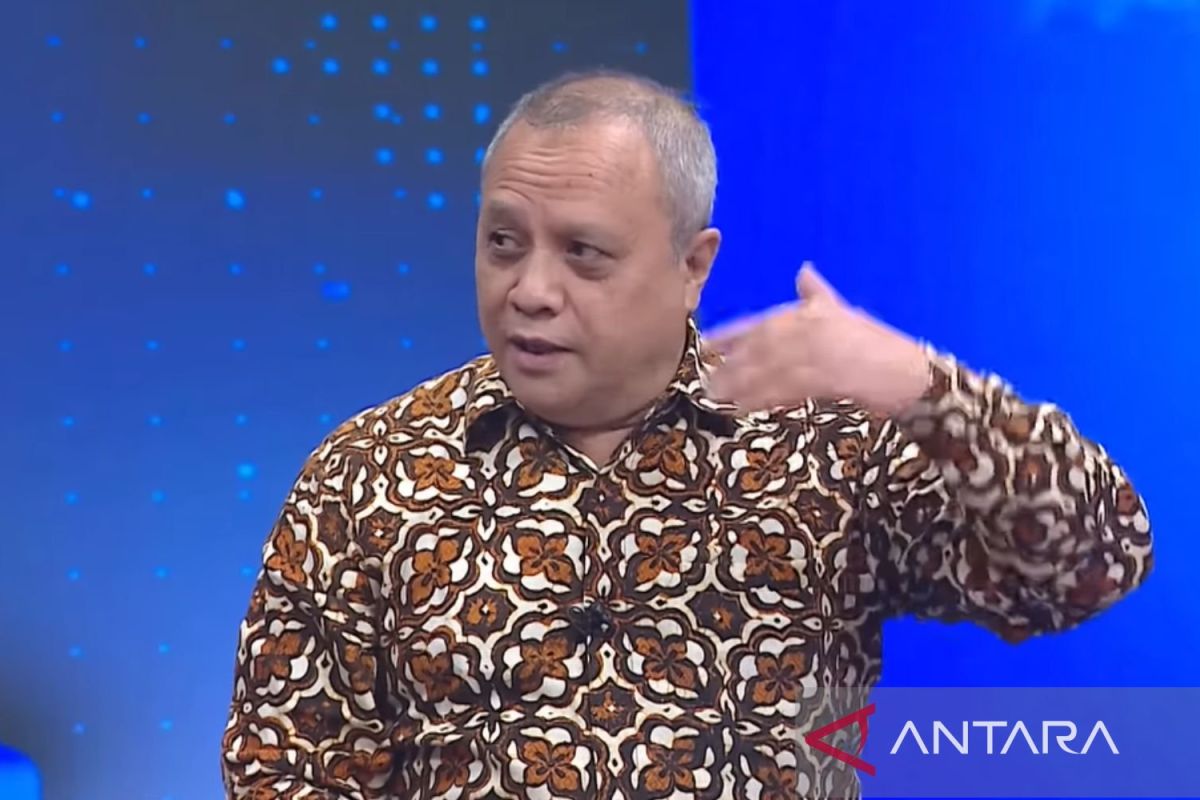
Jakarta (ANTARA) - International relations expert from Padjadjaran University, Teuku Rezasyah, assesses that Indonesia needs to take strategic steps to not merely serve as a bridge but also as a driver of the agenda in Asia-Europe cooperation. “Indonesia must first understand the common challenges for 2030, namely climate change, as well as the competition to obtain and process renewable energy and rare materials,” said Rezasyah when contacted by ANTARA in Jakarta on Friday. He stated that Indonesia also needs to strengthen ASEAN’s position as a centre for high-quality economic growth supported by good governance to accelerate Asia-Europe cooperation. “In addition, Indonesia needs to convince the ASEM (Asia-Europe Meeting) forum of its performance in implementing the ASEAN Outlook on the Indo-Pacific, by ensuring that development cooperation proceeds alongside the creation of a conducive security environment,” he said. He added that Indonesia’s position as a strategic “bridge” between Asia and Europe can be optimised through several steps. According to him, with high bargaining power from aspects such as vast territory and a network of sea and air ports spread across many islands, Indonesia’s position in ASEM is very strategic, as long as the country can perform to higher standards than at present. “For Indonesia’s role to be more significant, Indonesia needs to actively pursue the formation of a cooperation agenda by promoting strategic issues such as the digital economy and sustainable development,” he said. He assesses that ASEM’s relevance remains strong amid the weakening of global multilateralism at present, triggered by Middle East conflicts, particularly the United States’ stance that easily threatens the security of several countries. On the other hand, energy scarcity and the potential expansion of war are driving Asian and European countries to increase coordination more deeply, while upholding existing agreements. “It has been proven that ASEM has currently demonstrated its quality as a dialogue forum when institutions like the WTO are at an impasse. ASEM is self-aware that if they are late in coordinating, they will lose influence in the eyes of the world,” he said. To strengthen Asia-Europe connectivity in the trade, investment, and technology sectors, Turkey is assessed as a model because that country has successfully optimised its geographical position as a strategic connector of Eurasia, he said.