
Experts Advise on Countering Pocong Terror Hoaxes
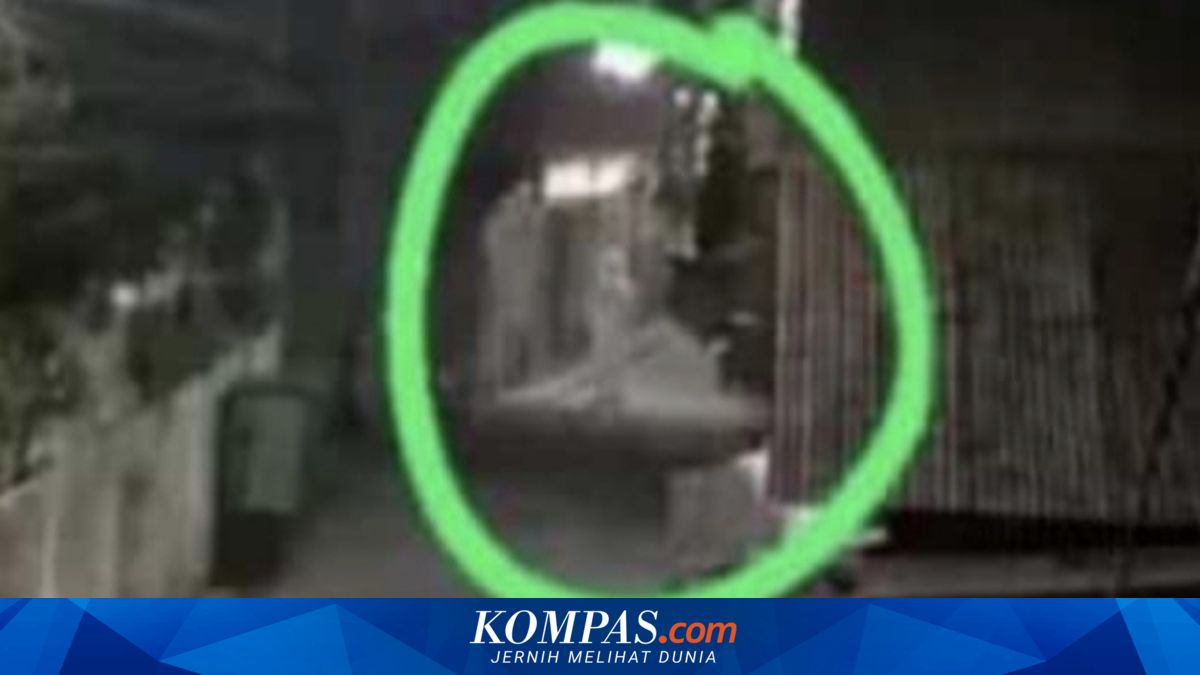
The recurring phenomenon of pocong terror hoaxes in society must be addressed not only through enforcement against perpetrators but also by strengthening public critical thinking and digital literacy to prevent recurring mass panic.
Psychologist and Professor of Psychology at the University of Indonesia (UI), Rose Mini Agoes Salim, highlighted that a crucial approach to tackling pocong terror hoaxes is cultivating critical thinking before trusting or sharing information.
She explained that critical thinking involves analysing whether information is worthy of trust, rejection, or temporary suspension.
‘Critical thinking is the ability to receive information but analyse whether it should be accepted, rejected, or held off for now,’ Rose told Kompas.com via WhatsApp on Friday, 22 May 2026.
She cautioned the public against immediately sharing unverified information, as this fuels viral hoaxes and widespread anxiety.
‘People should question whether it’s true or not. Don’t just share it everywhere, making it go viral,’ she said.
She noted that many hoaxes are crafted to attract public attention and provoke emotional reactions.
‘This is where public education is needed. Anything that goes viral and turns out to be a hoax is deliberately made for sensationalism,’ Rose added.
She urged the public to scrutinise information before responding or sharing it.
‘We must develop critical thinking skills to assess information—not take it at face value but verify whether to accept, reject, or withhold a response and not share it,’ she said.
‘Addressing such phenomena isn’t sufficient by merely debunking or issuing clarifications,’ Rakhmat told Kompas.com via WhatsApp on Friday, 22 May 2026.
According to Rakhmat, long-term solutions for mystical hoaxes involve strengthening social and digital literacy among the public.
‘The public should avoid spreading unverified videos or messages, practice fact-checking, and not be easily provoked by inflammatory narratives,’ he said.