
Expert Reveals Various Electric Vehicle Fire Incidents Do Not Originate from Batteries
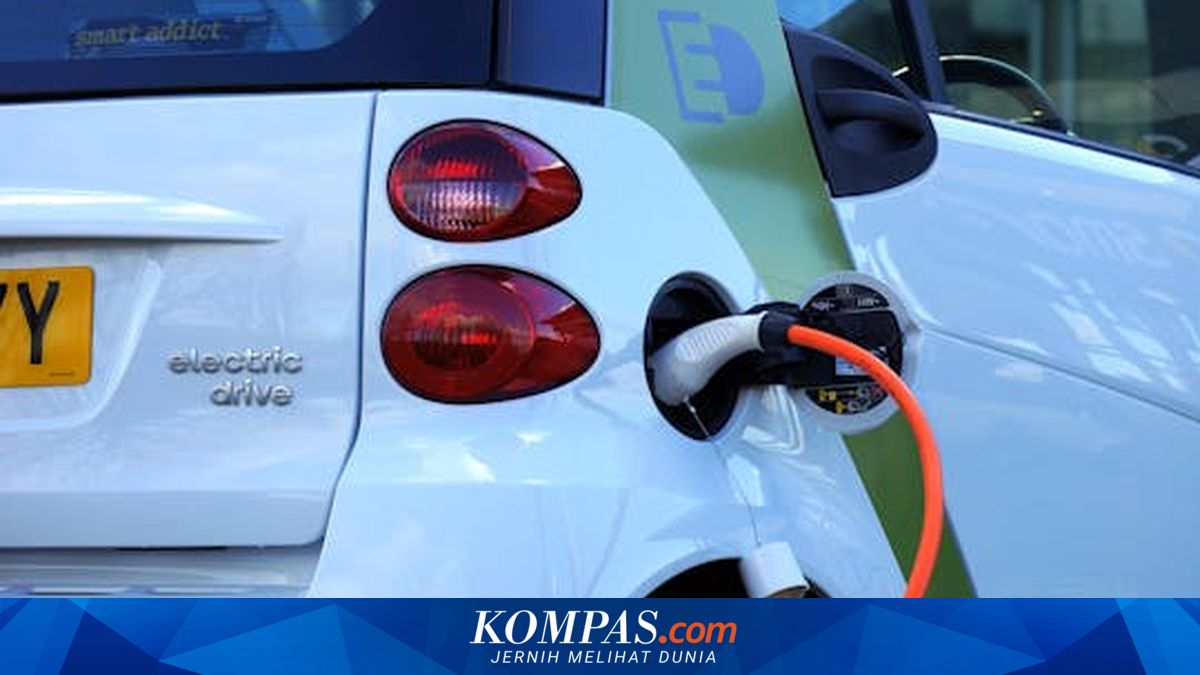
Jakarta — Concerns about electric vehicle safety have resurfaced following several fire incidents in recent times. However, amid public apprehension, batteries, which are often blamed as the primary cause, have yet to be proven as the source in these cases.
According to Mahindra Gofar, founder of EVSafe and lecturer at the National Battery Research Institute, there is currently no evidence that electric vehicle fires in Indonesia have been directly triggered by batteries, including thermal runaway phenomena.
He explained that many members of the public still misunderstand the characteristics of fires in electric vehicles. Yet, if fires were truly caused by thermal runaway in batteries, the process would typically be difficult to extinguish and could potentially reignite.
“If it truly is thermal runaway, the fire does not extinguish easily and there is a risk of reignition. However, some cases that have occurred were actually extinguished quickly, so the indication is that it is not from the battery,” he stated.
Several incidents in Indonesia have indeed attracted public attention, though their number remains limited and can be counted on one hand. One was the Wuling Air EV fire in Bandung in 2025. In its investigation, no evidence of damage to the high-voltage battery was found, whilst the fire source was suspected to originate from the front of the vehicle, which contains electrical components.
Another case involved a DFSK electric vehicle in South Jakarta. In that incident, the fire was reported to have been extinguished in a relatively short time, approximately 20 minutes.
According to Gofar, this is a strong indicator that the fire was not caused by thermal runaway in the battery.
“In the South Jakarta case, the fire extinguished quickly. If it were from the battery, there would typically be potential for reignition or re-ignition. This did not occur, so it is not thermal runaway,” he said.
Additionally, an incident involving a BYD Seal in West Jakarta in 2025 initially was described as a fire, but the manufacturer’s investigation results showed that the source of the problem originated from a short circuit in the low-voltage battery system, not the vehicle’s main EV battery.
Another incident was reported involving a Hyundai Ioniq 5 in Medan in 2026 whilst the vehicle was in a workshop area. Analysis of the cause pointed to a low-voltage electrical system malfunction, not the main battery, although the investigation was not entirely final.
There was also a fire incident in the Penjaringan area, North Jakarta, involving a Wuling BinguoEV electric vehicle inside a house. Based on initial suspicion, the fire originated from a spark during the charging process, which then struck highly flammable materials such as thinner and paint, so the source was suspected to stem from external factors, not the vehicle’s main battery.
He added that various external factors such as low-voltage systems, additional electrical installations, and wallbox or charger devices could also trigger incidents if not in optimal condition.
This phenomenon demonstrates that not all electric vehicle fires are related to the main battery. Therefore, Gofar emphasised the importance of thorough investigation before drawing conclusions that could mislead public perception.