
Expert Reveals How to Help Dyslexic Children Achieve Learning Targets
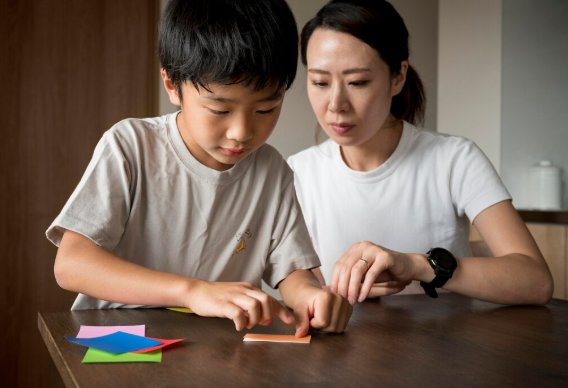
Children with specific learning disorders, such as dyslexia, require structured intervention so that they can build effective coping mechanisms. With the right support, these obstacles do not prevent a child from achieving learning targets equal to those of their peers at school.
This was stated by paediatrician and consultant in social paediatric growth and development, Dr Farid Agung Rahmadi, M.Si.Med., Sp.A, Subsp. T.K.P.S.(K), during an online seminar organised by the Indonesian Paediatric Association (IDAI) on Tuesday (15/9).
“So the target is the same: how this child can achieve the same learning targets as their friends,” said Dr Farid.
According to Dr Farid, specific learning disorders such as dyslexia are persistent conditions that cannot be eliminated entirely. Nevertheless, they can be managed through the application of learning strategies aligned with the child’s specific needs.
The intervention provided must be designed intensively and systematically according to the type of learning difficulty faced. As concrete examples:
Children with dyslexia can be helped through the systematic application of phonics-based learning methods.
Decoding training and intensive support to gradually develop reading fluency.
The success of managing specific learning disorders depends heavily on the creation of a conducive, supportive environment, both at home and at school.
Professional health workers have the capacity to make accurate diagnoses, identify accompanying conditions, draw up clinical intervention plans and monitor the child’s development regularly. Through close synergy between the family, the school and professionals, children with specific learning disorders are believed to be able to overcome their academic challenges and maximise their full potential.