
Expert: Negative social media content targeting legal digital lending platforms harms financial industry
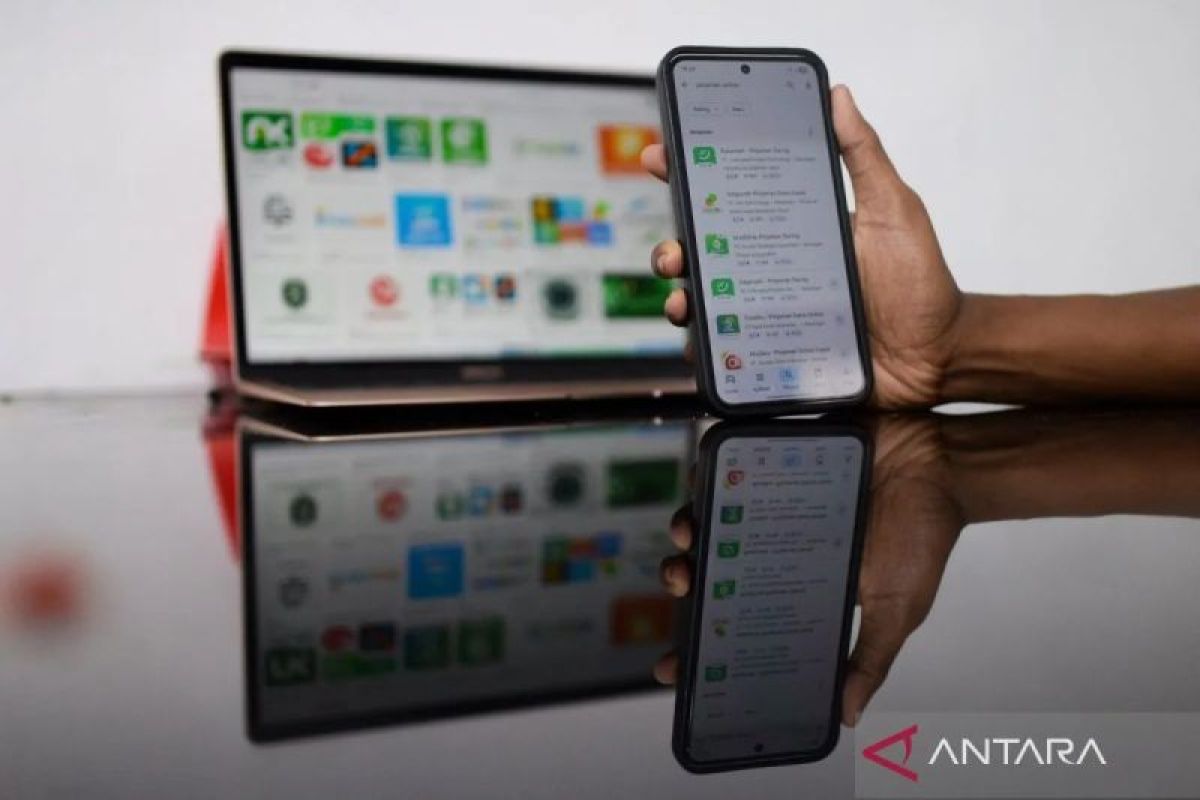
Financial consultant and planner Elvi Diana has stated that the proliferation of social media content, particularly on Instagram, attacking legal digital lending platforms such as Lumbung Dana and Indosaku is harming the financial industry.
She warned that negative narratives in digital spaces could damage the legal digital lending industry, which operates officially, holds proper licenses, and is regulated by the Financial Services Authority (OJK).
Speaking in Jakarta on Saturday, Elvi stressed the need for the public to distinguish between illegal digital loans and legitimate platforms compliant with regulatory requirements.
Negative propaganda that lumps all digital lending platforms together risks undermining public trust in legitimate financial institutions that support national financial inclusion efforts.
“Legal digital lending platforms have not only operated officially and in compliance with regulations but also supported the financial sector’s oversight system. Therefore, disproportionate negative propaganda on social media could erode public trust in state-regulated industries,” Elvi said.
It is known that legal digital lending operators are required to pay annual fees to the OJK under OJK Regulation No. 2 of 2025.
The fee is calculated at 1.2% of the company’s operational income. Payments are made periodically according to the OJK’s official billing schedule, either monthly or annually.
Operators also face an initial registration or licensing fee of £50 million when applying for business permits with the OJK.
Elvi noted that these financial obligations demonstrate the legal digital lending industry’s integration into the formal financial services ecosystem, complying with national regulations and contributing to the financial oversight sector’s revenue.
“Therefore, the OJK must take serious action against negative propaganda targeting legal digital lending platforms on social media. Regulated industries that comply with rules, pay fees to OJK, and fulfil social roles must not be harmed by unbalanced information,” she said.
Elvi highlighted that legal digital lending platforms have helped expand access to financing for the public, especially micro, small, and medium enterprises (MSMEs) often constrained by limited access to conventional bank credit.
In addition to providing financing services, many legitimate platforms also actively conduct financial literacy education and corporate social responsibility (CSR) programs across various regions.
She urged the public to be more critical when assessing social media content and not be swayed by material that unfairly targets the entire digital lending industry without distinguishing between legal and regulatory compliance.
“The focus should be on combating illegal loans that harm the public and third parties, or debt collectors employed by lenders that contravene AFPI (Indonesian Peer-to-Peer Lending Association) policies and OJK regulations, which involve intimidation and collection outside of working hours,” she explained.
“Such practices undermine regulated legal platforms contributing to national financial inclusion,” Elvi concluded.