
Expert: Judicial Commission must dare to remain neutral in selection process for Supreme Court justices
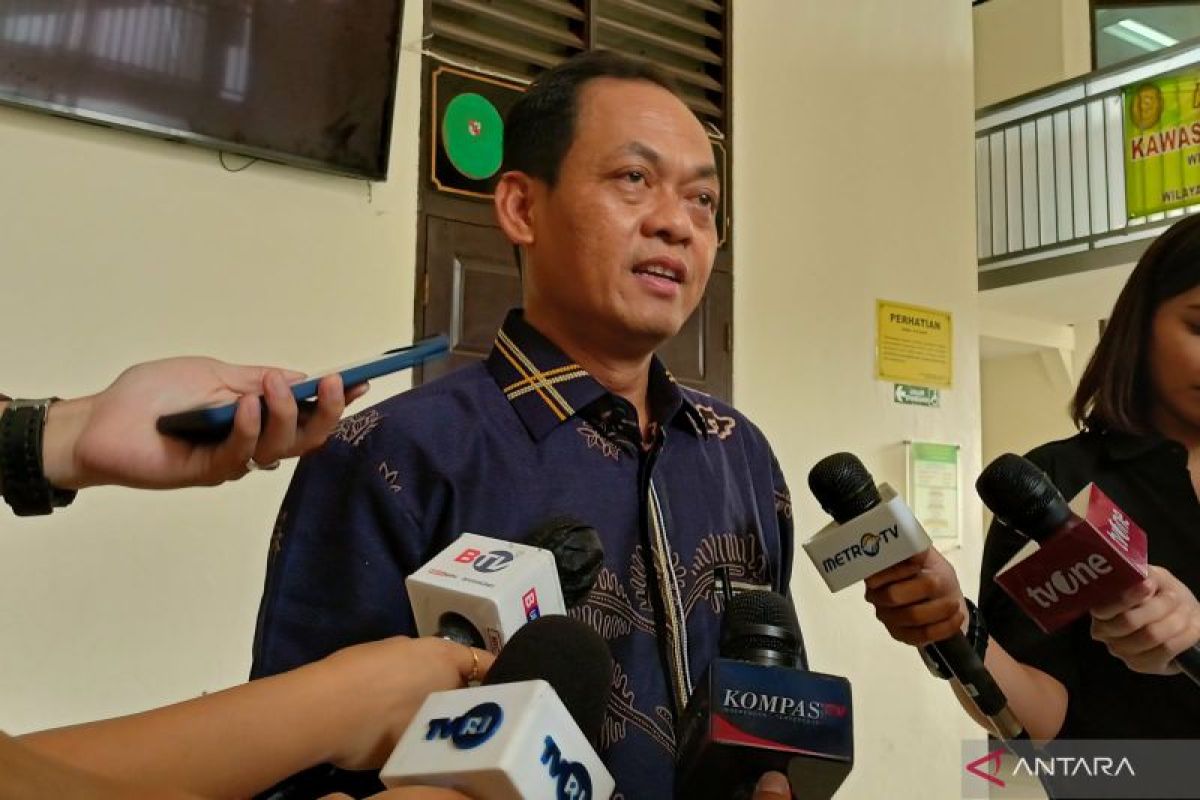
Jakarta (ANTARA) - Legal expert from Al Azhar Indonesia University, Prof Suparji Ahmad, stated that the Judicial Commission must dare to adopt a neutral stance in conducting the selection of candidates for Supreme Court justices, ad hoc human rights judges, and ad hoc corruption judges in 2026. According to him, the neutrality of the Judicial Commission (KY) is intended to ensure that the selected judges are truly professional, of high integrity, neutral, and capable of improving the image of the judiciary. “The KY must dare to be neutral,” said Suparji when contacted in Jakarta on Saturday. The professor of legal science hopes that this year’s selection process for Supreme Court justices will proceed transparently, accountably, independently, credibly, and without any fabrication or manipulation. The goal is to select judges who are professional, of integrity, and neutral, while also improving the image of judges amid various differing assessments of them. “Because there have been some facts about judges who have had legal issues in the past, this must not happen again in the future,” he said. According to him, the 2026 selection of Supreme Court justices presents a momentum for the KY to work professionally, not merely as a selection team facilitating nominations for judicial candidates, but to provide ideal choices for the Indonesian House of Representatives (DPR RI). “So, the KY should not merely be administrative but substantive, and able to free itself from political influences, power influences, or economic influences to produce professional judges,” he stressed. In his view, the recruitment pattern that has been in place so far must be changed to be bolder in breaking away from habits that have framed the selection process. “There is no obligation to follow platforms or past habits; the KY must step out of the box more progressively. That means there must be mapping, everything must be objective, rational, and independent,” he said. Suparji reminded that the KY must be neutral and independent in the selection process. “Do not match according to placements; this is a serious issue for us. That patron model and monopolistic patronisation must be prevented; no political patrons, no power patrons,” said Suparji. Previously, the KY opened online registration for proposals of candidates for Supreme Court justices, ad hoc human rights judges, and ad hoc corruption judges from 26 March to 16 April 2026. This selection is being conducted to meet the needs of the Supreme Court in filling vacant positions for Supreme Court justices and ad hoc judges in that institution.